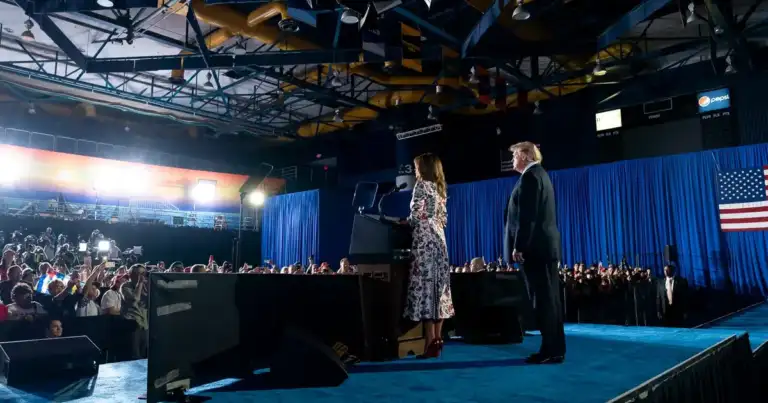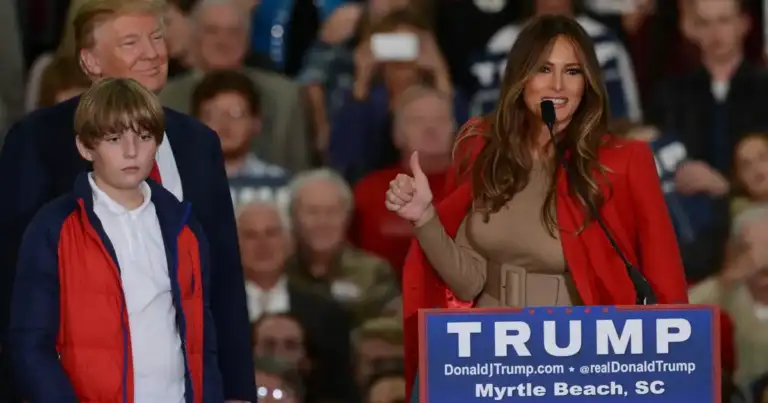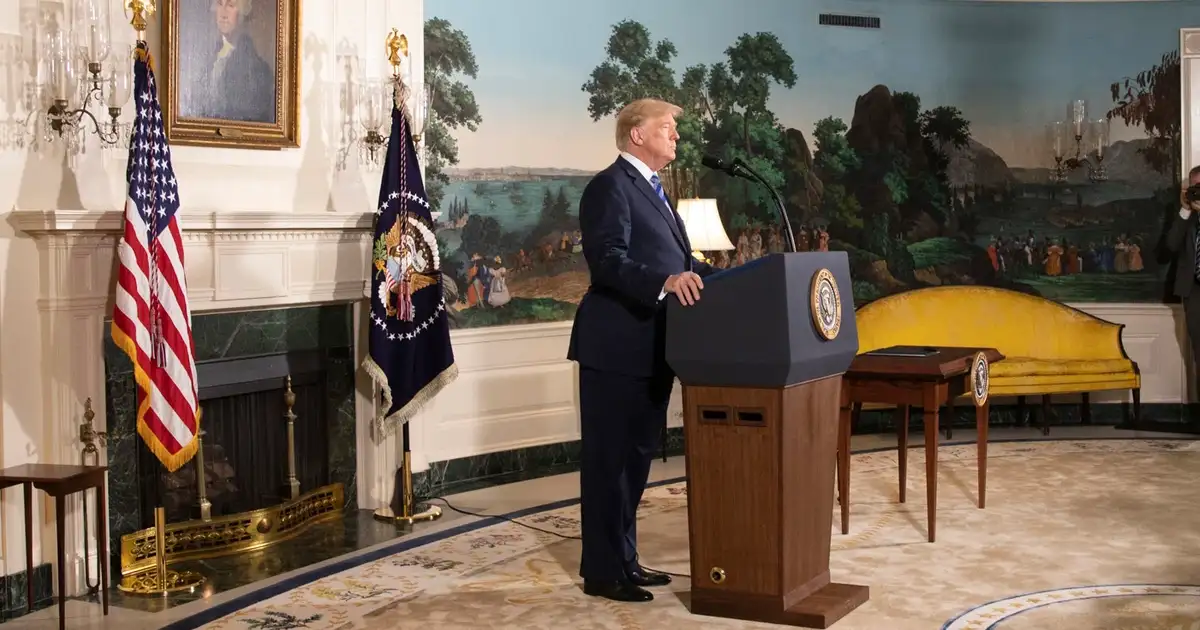

President Donald Trump has thrown a diplomatic curveball, announcing a “largely negotiated” peace deal for Iran. This isn’t just a headline; it’s a strategic maneuver, dropped from a campaign rally on May 22, 2026. The world now scrambles for a playbook amidst an active military conflict.
Trump claims a “very good call” with unnamed “world leaders” has brought us to the brink of an agreement. Yet, “final hurdles” are still very much in play, and the stakes couldn’t be higher. This declaration lands while the United States and Israel are still engaged in strikes against Iran, a conflict ignited on February 28, 2026.

The Strait of Hormuz remains a volatile flashpoint. To suggest a comprehensive peace deal is “largely negotiated” when cannons are still firing demands immediate, rigorous scrutiny.
The Phantom Playbook: Where Are the Details?
When President Trump speaks of a deal “largely negotiated,” the first question screams from the sidelines: By whom, and on what terms? He offered no specifics, no names of these mysterious “world leaders,” nor an outline of concessions.
This isn’t a friendly scrimmage; it’s a high-stakes championship game where lives hang in the balance. Announcing such a monumental development without naming players or detailing strategy is more than a power move; it’s a deliberate act of narrative control.
It puts immense, unseen pressure on unknown entities. Simultaneously, it leaves the American public, our allies, and adversaries dangerously in the dark. What exactly has been “largely negotiated” when troops are still deployed and the region remains a powder keg?
The timing of this revelation is not a coincidence; it’s a calculated tell. A campaign event is designed to rally the base, not unveil intricate diplomatic breakthroughs.
This isn’t a solemn, joint announcement of a signed peace treaty. It’s a political touchdown pass, thrown deep for maximum electoral impact. The optics are undeniable: a bold, decisive leader making big moves.
The substance, however, is not just hazy—it’s practically invisible. What specific points of contention have suddenly been resolved after decades of animosity and months of active conflict? Without a clear answer, this “largely negotiated” deal feels less like a strategic victory and more like a high-risk bluff.
Clearing the Real Hurdles on the Field
Even President Trump admits that “final hurdles are yet to be cleared.” This isn’t a throwaway line; it’s the critical admission, the one that truly matters. What are these hurdles?
The answers are not minor penalties; they are game-changing challenges defining geopolitical tensions for years. Iran’s clandestine nuclear program remains a profound concern for regional security and global stability. Its persistent support for proxy militias and destabilizing regional activities fuel conflicts across the Middle East.
These aren’t negotiable footnotes; they are the core issues demanding verifiable, concrete solutions.
A genuine, lasting peace agreement with Iran would necessitate far more than a “very good call.” It would demand ironclad, verifiable concessions on its nuclear ambitions. This includes intrusive inspections and complete transparency on all facilities.
It would require concrete, actionable steps to curb its sponsorship of proxy conflicts and end its aggressive regional posturing. Simply declaring a deal “largely negotiated” does not alter these fundamental requirements. The ball is still very much in play on these critical issues.
Without tangible proof of Iranian commitment, any talk of peace rings hollow.
The ongoing military conflict, as confirmed by the Reality Ledger, complicates every facet of diplomacy. Peace talks during active warfare are inherently delicate, requiring meticulous planning, precise language, and mutual de-escalation.
Vague declarations, while politically expedient for a campaign trail, can have devastating real-world consequences. They risk undermining genuine diplomatic efforts, creating false expectations, and confusing steadfast allies. Most dangerously, they embolden adversaries who might interpret ambiguity as weakness or a lack of unified resolve.
This isn’t just about winning an election; it’s about operating in a war zone, and precision is paramount.
Gridiron Strategy: Is This a Hail Mary, or a False Start?
President Trump’s political strategy has always been defined by its aggressive, often unconventional nature. This announcement fits that pattern perfectly. He’s laying down a marker, signaling intent, and attempting to dictate the narrative.
But intent without verifiable details is nothing more than a whisper in the wind – easily dismissed, quickly forgotten. The American people, and indeed the international community, demand to see the full playbook, not just hear the coach’s pre-game hype.
Is this a genuine diplomatic breakthrough in its nascent stages, or a strategic maneuver designed purely to gain political ground ahead of an election? The profound lack of specifics makes it impossible to discern.
It’s akin to a quarterback calling an audible without informing his offensive line or receivers. The team is left confused, vulnerable, and the defense primed to capitalize on the disarray. The stakes in Iran are far too high for such ambiguity.
We are talking about national security, regional stability, and the lives of American service members. A “very good call” might suffice for a casual chat, but for peace in an active war zone, we require signed agreements, verifiable actions, and unequivocal commitments.
The silence from other “world leaders” following Trump’s announcement is not just notable; it’s deafening. If a major, “largely negotiated” peace deal were truly in the works, one would expect a chorus of affirmations, joint statements, and coordinated diplomatic efforts.
Instead, we have a solo announcement, delivered from a campaign stage. This is not how high-level, multilateral diplomacy operates. This stark absence of corroboration raises serious questions about the true state of these supposed negotiations.
Who is actually at the table? What, if anything, has truly been agreed upon? Without transparency, this “peace deal” risks being perceived as a unilateral fantasy.
This move is a monumental gamble. It could, in the most optimistic scenario, set the stage for a dramatic diplomatic victory, showcasing unconventional negotiation. Or, more likely given the current information vacuum, it could expose deep divisions and a lack of real progress.
Ultimately, it could undermine the credibility of future diplomatic endeavors. The “final hurdles” aren’t just obstacles; they are the entire game. Until those are demonstrably cleared, with verifiable proof and international consensus, this isn’t a peace deal.
It’s just another play-action fake. The American public deserves to know the real score
Source: Google News