
The whistle has blown on America’s most gut-wrenching contest: the infamous 72-ounce Texas steak challenge. Originating from The Big Texan Steak Ranch, this isn’t just a meal; it’s an all-out war between human will and physiological limits, a brutal test now captivating the nation with its viral, visceral spectacle.
For over six decades, this Amarillo institution has served as the ultimate proving ground, a culinary coliseum luring the bold and the foolish.

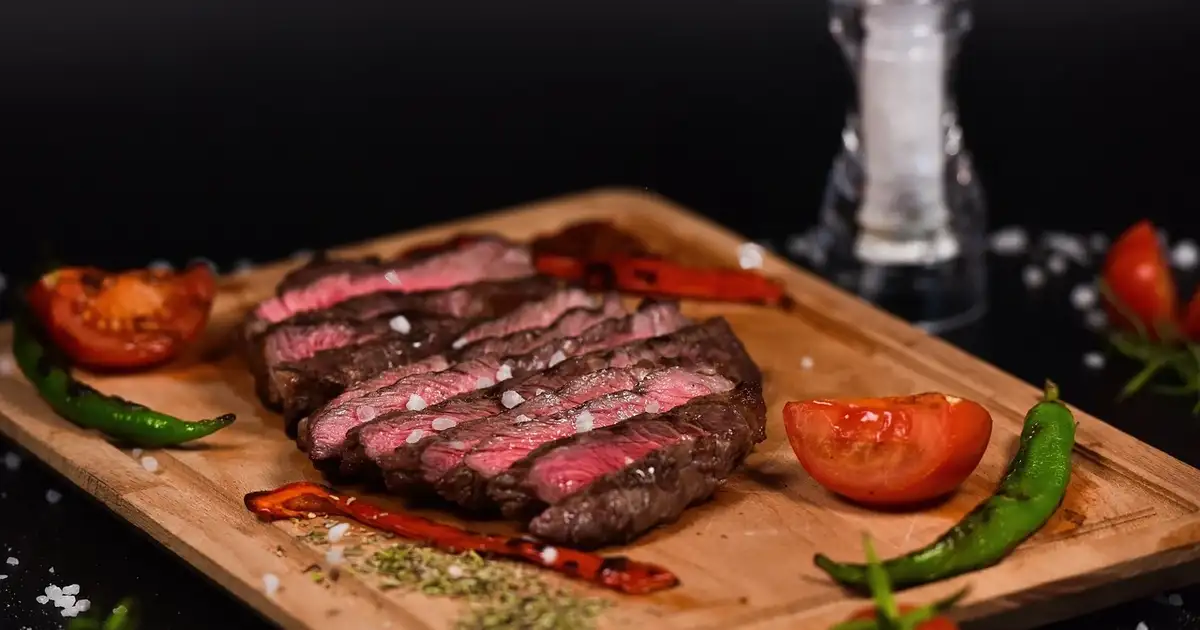
The rules are deceptively simple: vanquish a colossal 72-ounce sirloin steak, alongside a baked potato, a crisp salad, a shrimp cocktail, and a bread roll. Every last morsel must be annihilated within a punishing one-hour time limit.
Conquer this gastronomic Everest, and the entire $72 meal is yours, free of charge. Falters, and you’re not just out the cash; you’re left with the bitter taste of defeat and a stomach full of regret. It’s a high-stakes gamble where the body is both the player and the prize.
In the modern era, the gladiatorial arena has moved online. Social media feeds are now flooded with raw, unedited footage of challengers going toe-to-toe with this culinary behemoth.
The struggle isn’t just ‘real’; it’s a visceral, gut-wrenching spectacle. Viewers are drawn to the raw human drama: the strained faces, the visible battles against nausea, the sheer discomfort.
The ultimate tactical error? Vomiting. It’s an instant disqualification, a sudden-death penalty that leaves you with a stomach full of half-digested beef and zero bragging rights. The stakes couldn’t be clearer.
The Ultimate Gauntlet: Can Your Body Survive the Bout?
Forget the superficial allure of internet fame or a free meal; the critical question isn’t if you can finish, but what price your body pays for such a reckless endeavor. Competitors, blinded by the glory, routinely ignore the brutal, immediate, and potentially long-term health costs. Is a moment of viral notoriety truly worth putting your internal systems through a demolition derby?
This isn’t a casual dinner; it’s a full-contact, no-holds-barred brawl for your entire digestive system. The immediate impact is not just severe; it’s a systemic shock. Let’s dissect the physical toll, play-by-play.
Extreme Caloric Overload: A Tactical Strike
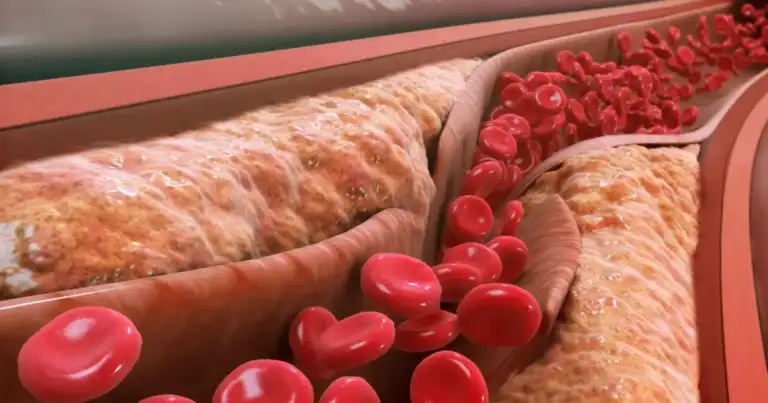
Consider the sheer caloric assault. A 72-ounce sirloin steak isn’t just a cut of beef; it’s a tactical nuclear strike on your metabolism, delivering a staggering 4,000 to 5,000 calories.
Factor in the baked potato, the salad (often drowning in dressing), the shrimp cocktail, and the bread roll, and you’re easily pushing towards 7,000 calories. This isn’t merely exceeding daily intake; it’s detonating an instant caloric bomb within your system.
The fat content? Often north of 300 grams. Your body’s internal defense mechanisms are instantly overwhelmed, forced into a desperate, chaotic emergency mode it was never designed to handle.
Digestive System Under Siege: A Physiological Rebellion
Rapidly ingesting this volume of food isn’t just eating; it’s a full-frontal assault on your gastrointestinal tract. Expect severe, debilitating discomfort.
Your stomach, a muscle designed for measured intake, is forced to stretch to unnatural, painful limits. Bloating becomes extreme, gas a constant, unwelcome companion, and nausea a relentless opponent.
Abdominal pain isn’t just a side effect; it’s the dominant sensation, a constant, gnawing reminder of your folly. The process is agonizing to witness, and exponentially worse to endure. It’s a physiological rebellion, and your body is the battlefield.
As one recent challenger, an online personality known as “FoodieFanatic77,” candidly posted, describing their own tactical miscalculation:
I thought I had it in the bag, but that 72-ounce monster hit different. It wasn’t just eating; it was a battle against my own stomach. Definitely disgusting by the end, but what a ride!
This isn’t just a casual observation; it’s a play-by-play of internal warfare. It’s a fight, and for the vast majority, the body’s biological limits prove to be the ultimate, undefeated opponent.
Choking and Vomiting Risks: A High-Stakes Gamble
The clock is your enemy, and the pressure to devour quickly introduces grave tactical hazards. The risk of choking on poorly chewed, oversized bites skyrockets.
This isn’t an epicurean experience; it’s a frantic, desperate scramble for survival. And when the body inevitably rebels, vomiting is not just a possibility, it’s a frequent, brutal outcome for those who push beyond their breaking point.
Worse still, the inhalation of stomach contents can trigger aspiration pneumonia – a severe, potentially life-threatening medical emergency. All for the fleeting promise of a free meal and a moment of fleeting internet glory. Is that a winning strategy?
Cardiovascular Strain and Blood Sugar Spikes: A Recipe for Havoc
The immediate, unprecedented flood of calories and fat doesn’t just ‘slam’ your cardiovascular system; it puts it under immense, acute distress. Blood sugar levels don’t just ‘spike dramatically’; they surge into the danger zone, triggering a cascade of physiological responses.
For individuals with underlying health conditions, this isn’t merely dangerous; it’s a reckless flirtation with catastrophe.
Even the fittest among us will feel the immediate, intense strain – it’s akin to forcing your heart into an unannounced, high-intensity sprint without a moment of warm-up or preparation. It’s a recipe for cardiac havoc.
The Mental Game: Willpower vs. Biology
Beyond the raw physical demands, the 72-ounce challenge is an intense psychological warfare. Challengers must not only overcome the physical pain but also silence the primal screams from their own brain telling them to stop.
It’s a constant negotiation between willpower and biology. The mental game often dictates success or failure long before the stomach physically gives out. Many hit a ‘wall,’ not of physical capacity, but of sheer mental fatigue and disgust.
The strategy isn’t just about chewing and swallowing; it’s about maintaining an iron grip on your resolve, ignoring every alarm bell your body rings. This is where true champions, or at least survivors, are forged.
Long-Term Habits and the “Tour” Effect: A Dangerous Blueprint
Source: Google News