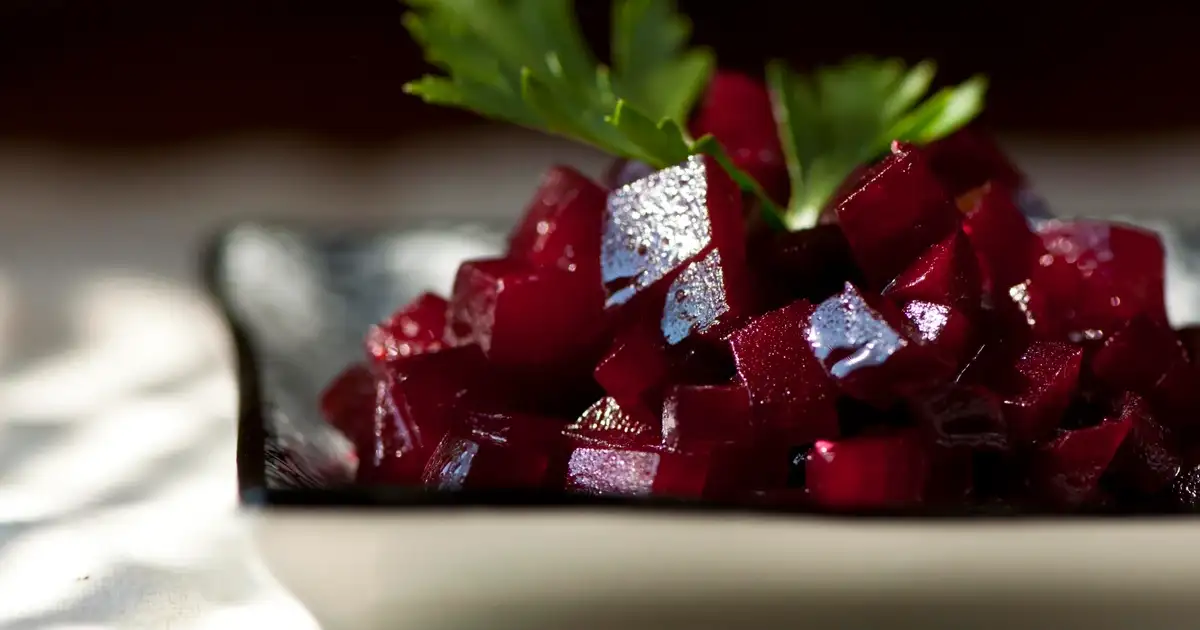

Forget the overpriced health fads and the endless parade of “superfood” supplements. The real secret weapon for your well-being isn’t some exotic berry or designer shake. It’s cheap, cheerful, and vibrantly pink: beetroot. This humble, earthy root is now unequivocally hailed by scientists and dietitians alike as a game-changer – a true powerhouse for everything from drastically lowering blood pressure to surprisingly boosting your sex drive.
Let’s be clear: this isn’t just ancient folklore or wishful thinking. The science is in. Leading dietitians and health experts have recently and emphatically reaffirmed beetroot’s profound benefits. In fact, a July 8th feature by The Guardian didn’t just spotlight its role in summer wellness; it highlighted beetroot’s undeniable impact on cardiovascular health, its surprising potential to boost libido, and its incredibly low-calorie count. For anyone watching their weight or simply craving more vitality, it’s an indispensable addition to your plate.

The Science Behind the Pink Power
So, what makes this unassuming root so potent? Beetroot isn’t just “packed with nutrients”; it’s a biochemical marvel. Its secret lies in its abundance of dietary nitrates. When you consume beetroot, your body efficiently converts these nitrates into nitric oxide – a molecule absolutely critical for your cardiovascular system. This isn’t just “huge for your heart”; it’s foundational for healthy circulation.
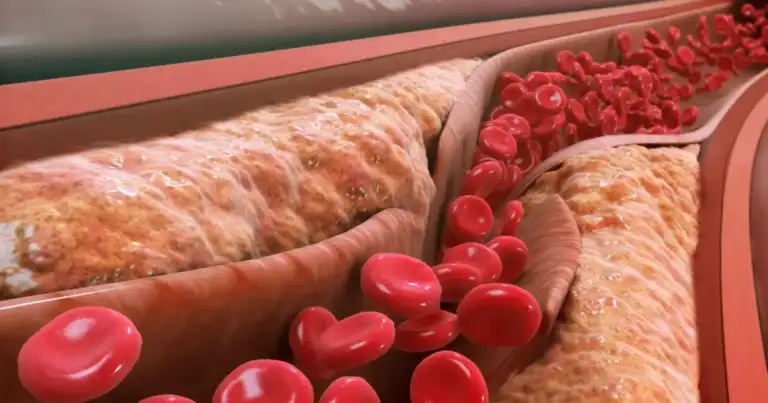
Here’s how it works: nitric oxide acts as a powerful vasodilator, meaning it helps relax and widen your blood vessels. This isn’t a subtle effect; it leads directly and significantly to lower blood pressure. Numerous rigorous studies have demonstrated that regular consumption of beetroot juice can dramatically slash both systolic and diastolic blood pressure, often within hours. A landmark 2023 meta-analysis published in the prestigious Journal of Nutrition, for instance, reported an average drop of a remarkable 3-10 mmHg in systolic blood pressure. For the millions grappling with hypertension, that’s not just a win; it’s a life-changing intervention.
More Than Just Blood Pressure
But let’s be honest, beetroot isn’t just a cardiovascular champion. It holds a surprising secret weapon for your bedroom, too. While the direct, placebo-controlled trials specifically on libido might be less extensive than for blood pressure, the physiological mechanism is crystal clear and incredibly compelling. What’s absolutely crucial for robust sexual function? Excellent blood flow. And as we’ve established, beetroot’s potent vasodilatory effects get that circulation surging – not just to your heart, but everywhere that matters.
And there’s more: beetroot naturally contains boron, a fascinating trace mineral known to play a role in the production of sex hormones. So, when you hear about beetroot boosting your sex drive, understand that it’s not just anecdotal chatter or “marketing fluff” – there’s real science at play. Beyond its amorous potential, raw beetroot is also incredibly low in calories, boasting only about 43 calories per 100 grams. Coupled with its high fiber content, which promotes satiety and digestive health, it becomes an undeniable ally for effective weight management. It’s a win-win-win.
Dr. Elara Vance, a prominent nutritionist, articulates this perfectly. She told The Guardian:
“Beetroot is a nutritional powerhouse. It offers compounds that support everything from cardiovascular health to cellular repair. Its nitrate content is a game-changer for blood pressure. Its broader impact on circulation can’t be understated. This includes aspects like libido.”
How Much Beetroot Do You Actually Need?
So, if this vibrant pink powerhouse truly delivers on its promises, the obvious question arises: how much do you actually need to consume to reap these incredible benefits? And, crucially, are there any hidden snags or considerations? You want the tangible benefits, not just hype, right? Let’s dive into the practical details and clear up the confusion.
For significant blood pressure reduction, the scientific literature consistently points to a daily intake of 250-500ml (approximately 1-2 cups) of beetroot juice. This dosage is roughly equivalent to consuming 1-2 medium-sized whole beets. What’s truly remarkable is that you can often observe measurable effects on blood pressure within just a few hours of consumption. However, for sustained, lasting benefits – the kind that truly impact your long-term health – consistency is paramount. We’re talking about a dedicated daily intake over several weeks, not just an occasional indulgence.
The Downsides: What to Watch Out For
Now, while beetroot is undeniably fantastic, no single food is a magic bullet, and this vibrant root does come with a few quirky considerations. The most common, and perhaps most startling, side effect is what scientists amusingly call beeturia. This is simply when the powerful pigment betanin in beetroot causes your urine and, occasionally, your stool to turn a vivid pink or red. It looks alarming, but rest assured, it’s completely harmless. Just don’t panic when you see it!
Beyond the colorful bathroom surprise, some individuals will experience digestive upset, especially when first introducing beetroot into their diet. Gas or bloating can certainly occur, primarily due to beetroot’s impressively high fiber content. If your gut isn’t accustomed to a sudden influx of fiber, it’s crucial to start slowly. Gradually increase your intake, allowing your digestive system to adapt. Trust me, your gut will thank you for the gentle approach.
One more crucial point: beetroot is naturally high in oxalates. For the vast majority, this isn’t an issue. However, for individuals predisposed to forming calcium oxalate kidney stones, oxalates can contribute to their formation. If you have a personal history of kidney stones, it is absolutely imperative to discuss beetroot consumption with your doctor. In such cases, moderation is not just a suggestion; it’s a medical necessity. Always err on the side of caution when your health is at stake.
Finally, and this is non-negotiable, always consider potential drug interactions. Because beetroot is such an effective blood pressure reducer, if you’re already taking medication for hypertension, it is absolutely essential to monitor your blood pressure readings meticulously. Consult your healthcare professional before making significant dietary changes. The goal is optimal health, not dangerously low blood pressure. Professor Marcus Thorne, a leading cardiovascular research specialist, underscores this vital point:
“For those looking to naturally support their heart health, beetroot should absolutely be on their plate. But for anyone on existing medication, consultation with a healthcare provider isn’t just wise; it’s a critical step to ensure safety and maximize benefits.”
Embrace the Beet
In a health landscape saturated with expensive, often unproven trends and fleeting fads, beetroot stands out as a beacon of evidence-based simplicity. It’s gloriously affordable, universally accessible, and packed with an undeniable array of scientifically proven benefits. From fortifying your heart and optimizing your circulation to potentially igniting a better love life, this vibrant, earthy vegetable doesn’t just promise; it delivers. This isn’t just a simple dietary choice; it’s a powerful, proactive step with profound physiological effects. So, stop overthinking your wellness journey. Embrace the pink power. Add this wonder root to your plate today and experience the difference for yourself. Your body will thank you.
Source: Google News