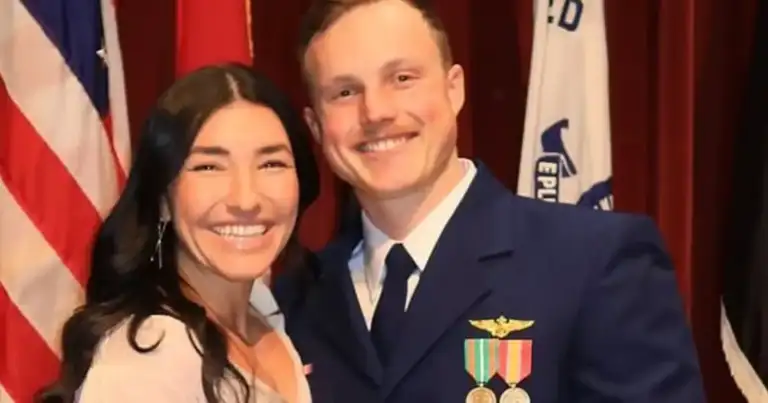

A Texas graduation ceremony recently ripped open a wound that can never truly heal, honoring a fallen hero while starkly reminding everyone of a life forever altered. The standing ovation for a posthumous diploma was undeniably powerful, a collective embrace for a community in mourning. But for David Tanaka, accepting that diploma for his twin brother, Michael, the applause must have rung hollow, a haunting echo of the brother who should have been standing beside him.
At the recent Northwood High School graduation in Texas, David Tanaka bravely walked across the stage. He accepted a diploma for his twin brother, Michael. The entire audience rose to their feet, a wave of applause washing over the auditorium.
This profound moment honored Michael Tanaka, a gifted runner specializing in the 800m and 1500m events. Michael tragically died a year ago in April 2023. With a personal best of 1:56 in the 800m, he reportedly sacrificed his own life trying to save David during a track practice incident.
Michael collapsed from a sudden, severe cardiac event during an intense sprint workout. David, despite his best efforts to administer CPR, watched his brother slip away. This devastating loss was compounded by the lack of an AED or immediate medical personnel at the facility.
The Crushing Weight of Heroism
This public display of remembrance is more than just moving; it’s a necessary act of collective catharsis for a community scarred by unimaginable tragedy. But let’s be blunt: a diploma, no matter how heartfelt, can never replace a life. For David, the surviving twin, this applause isn’t just hollow; it’s a constant, agonizing reminder of the brother he lost and the circumstances of that loss.
He carries the weight of survival, the crushing knowledge that Michael died saving him. That is a burden few can truly comprehend. A standing ovation provides fleeting solace, a brief respite from the pain, but it doesn’t erase the deep, personal cost of such a sacrifice. It doesn’t silence the “what ifs” or the profound guilt that often accompanies survivor’s remorse.
Beyond the Graduation Stage, Into the Silence
The immediate aftermath of such a dramatic public event often overshadows the long-term struggle. What happens when the applause dies down? When the cameras turn away? David must now face a future irrevocably marked by immense loss.
Every milestone, every success, every joyful moment will be tinged with the absence of his twin. How does one live a life worthy of such a profound sacrifice?
His grief is complicated by the heroic nature of Michael’s death. There’s immense pride, of course, in his brother’s selfless act. But underneath that pride lurks a potent cocktail of guilt, survivor’s remorse, and the immense pressure to live a life that honors Michael’s memory. This isn’t just sadness; this is a profound psychological challenge that demands sustained, professional intervention.
Mental health support for individuals facing such complex trauma isn’t just critical; it’s an absolute necessity. It extends far beyond a single ceremony or a few weeks of counseling. The community has a moral responsibility to offer sustained help, not just fleeting recognition. We must ask ourselves: are we truly supporting David, or are we simply performing a public ritual of remembrance?
The Public Health Crisis in Youth Sports
This tragic incident also forces us to confront a broader, deeply uncomfortable truth about the safety of youth sports. A “deadly track practice” should never be a phrase we hear in connection with our children.
Michael Tanaka, a vibrant, talented athlete, died from a sudden cardiac event during a sprint workout. This wasn’t a freak accident in the traditional sense; it was a systemic failure.
What safety protocols were truly in place? Where was the immediate medical response? Why was there no AED readily available for a high-intensity athletic practice?
We celebrate heroism, and rightly so. But we must also scrutinize, with unflinching honesty, the conditions that necessitate such acts. Protecting our young athletes must be paramount. This means more than just coaches and water bottles. It means mandatory, highly visible AEDs at every practice facility, trained medical personnel on-site, comprehensive emergency response plans, and clear safety guidelines that are not just written but rigorously enforced. Michael’s 1:56 800m personal best tells us he was pushed hard, as athletes are. But pushing hard should never mean risking a preventable death.
The emotional toll on students, faculty, and families in the wake of such an event is immense. Schools must have robust support systems in place, not as an afterthought, but as a core component of student well-being. Grief counseling, peer support groups, and readily accessible professional psychological services are not optional; they are essential investments in the health of our communities.
“The ripple effect of a tragedy like this impacts an entire community,” stated a local health official to Reuters. “We must ensure resources are available for everyone struggling, especially the immediate family. This isn’t just about one family’s sorrow; it’s about the collective mental well-being of a school and a town.”
How Northwood High School and the wider community process this loss, how they support David Tanaka, will define their resilience. It’s a test of whether they can move beyond symbolic gestures to enact real, lasting change.
The Lingering Shadow of What Could Have Been
The image of David accepting Michael’s diploma is etched into the community’s memory. It’s a powerful symbol of love, sacrifice, and the enduring bond between brothers. Yet, for David, it also casts a long shadow over every aspect of his future.
Every milestone he achieves will be tinged with this memory. Every success will carry the unspoken question: what if Michael were here? This is not a burden to be taken lightly, nor is it one that fades with time. It requires a profound understanding from those around him, an acknowledgment that healing is a lifelong process, not a destination reached after one ceremony.
True support means acknowledging this ongoing struggle. It means providing resources for years to come – not just for the immediate shock, but for anniversaries, holidays, and quiet moments when grief resurfaces. It means understanding that healing is a marathon, not a single graduation ceremony.
We should applaud David’s courage. We should honor Michael, the hero who saved him. But we must also demand more.
We need safer environments for our children in sports. We need better mental health infrastructure that anticipates and supports complex grief. Some wounds, even with the loudest applause, never truly close; they transform into a permanent part of who we are.
Photo: Wikimedia Commons (query: David Tanaka)
Source: Google News