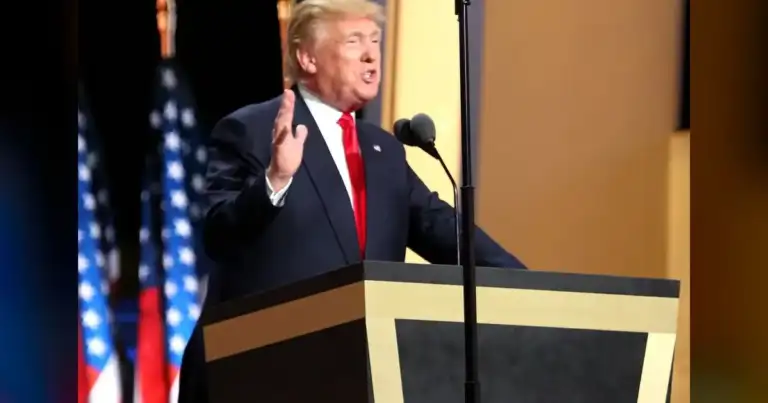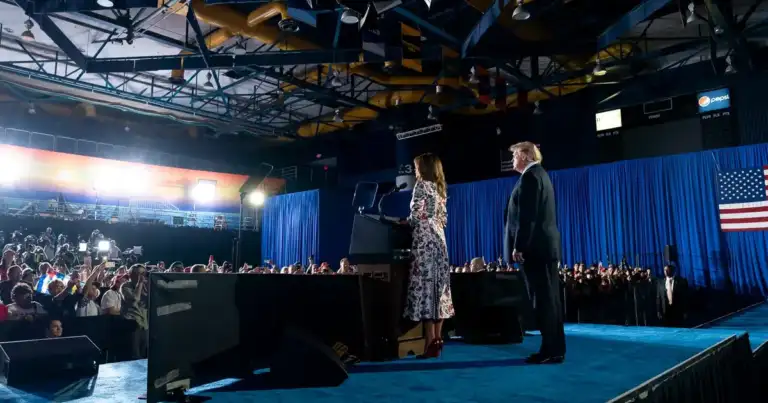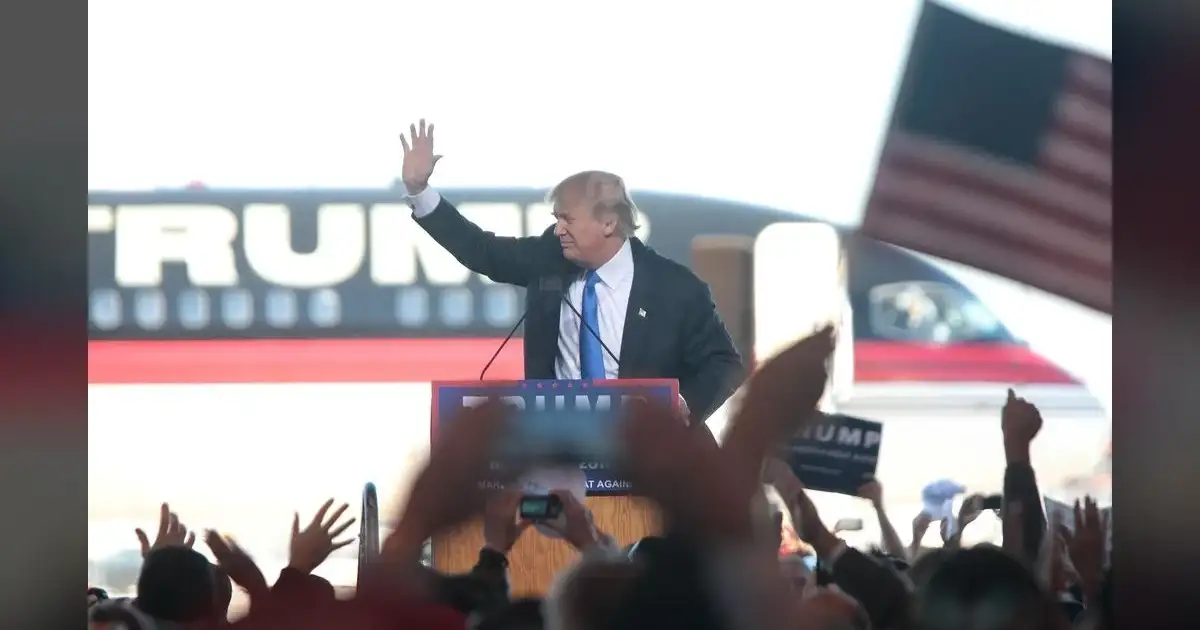

The locker room talk from former President Donald Trump just got replayed on the big screen. Details of his expletive-laden phone call with Benjamin Netanyahu are now resurfacing. This blast from the past hits hard as the Biden administration pushes its own peace deal.
This isn’t new intel, but it’s getting a fresh look. Back in early 2022, a report from Axios’ Barak Ravid first spilled the beans. Trump reportedly dropped an F-bomb on Netanyahu. The reason? Netanyahu dared to congratulate President Biden on his 2020 election victory.

Trump’s Hard Tackle on Diplomacy
The call shows Trump’s signature, no-nonsense style. He didn’t pull any punches. His anger was clear and direct.
“F* him,” Trump reportedly snapped about Netanyahu.
This wasn’t a subtle jab. It was a full-on diplomatic blitz. Trump expected absolute loyalty. Netanyahu’s congratulatory call was seen as a betrayal.
Trump’s “America First” playbook was always about raw power. He didn’t care for traditional diplomatic niceties. He valued personal allegiance above all else.
This resurfacing call reminds everyone of that transactional approach. Allies were expected to fall in line. Any deviation was met with swift, harsh words.
Biden’s Current Game Plan
Now, the Biden administration is on the field. They are running a different play entirely. They aim to broker a lasting peace deal in the Middle East.
Biden’s strategy is more traditional. It’s about multilateral efforts and respectful engagement. He’s trying to mend fences, not blow them up.
But the road is tough. The administration faces “significant hurdles.” Peace between Israel and the Palestinians remains elusive.
The contrast is stark. Trump’s confrontational style versus Biden’s measured diplomacy. Both have their critics and supporters.
This old news about Trump’s call spotlights the pressure on Biden. It highlights the complexities of US-Israel relations. It shows just how volatile things can get.
Netanyahu Caught in the Crosshairs
For Benjamin Netanyahu, this old wound reopening is a tricky situation. It’s a double-edged sword, no doubt.
It reminds everyone of his deep personal connection with Trump. They aligned on many policy fronts. Iran and the Abraham Accords come to mind.
But the “F* him” comment also exposes the raw deal. It shows the transactional nature of their relationship. Loyalty was expected, not just alliance.
This could be seen as a vulnerability for Netanyahu. It shows he wasn’t immune to Trump’s wrath. Even close allies got the rough treatment.
It also forces him to navigate a new landscape. The Biden administration demands a different kind of partner. One less focused on personal ties, more on policy alignment.
Regional Skepticism and Trust Issues
Regional players are watching this unfold. Peace advocates are taking notes. This volatile exchange could breed more skepticism.
It questions the sincerity of any US-led peace initiative. Who can truly trust a process so easily derailed by personal slights? Regardless of who sits in the White House, the message is clear.
US foreign policy can be highly personalized. It can be unpredictable. That undermines trust among key actors.
Every time these past tensions resurface, it makes the current job harder. Building lasting peace requires consistent trust. These revelations chip away at that foundation.
The region needs stability. It needs predictability. This kind of public rehashing only adds to the chaos.
The Impact on US-Israel Relations
The relationship between the US and Israel has always been a tightrope walk. Strong alliances mixed with deep disagreements. Trump’s era certainly didn’t simplify things.
His presidency was unconventional. The Abraham Accords were a major win. But personal relationships often overshadowed traditional diplomacy.
The “F*** him” comment is not just a quip. It’s a flashing sign of “deep personal and political fissures.” These cracks don’t just disappear.
They linger in the background. They influence future negotiations. They complicate every handshake and every policy decision.
This isn’t just about old grudges. It’s about defining the future. How does a nation move forward when past slights are constantly re-aired?
Gus Callahan’s Game Day Analysis
Let’s be real. This isn’t just about a forgotten phone call. It’s about positioning. It’s about shaping narratives.
For the Biden administration, this resurfacing detail is a strategic advantage. It paints Trump’s approach as erratic. It makes Biden look like the steady hand.
They can subtly highlight their “more measured” efforts. They can claim a return to “traditional alliances.” It’s a way to contrast their playbook with the previous one.
For Trump supporters, it’s proof. Proof of his uncompromising stance. Proof he would challenge anyone, even allies. They see it as strength, not weakness.
It shows he played by his own rules. He didn’t care about diplomatic niceties. He cared about what he perceived as America’s interests, or his own ego.
The timing is no accident. As Biden struggles with his peace push, old stories get new life. It’s a way to draw attention. It’s a way to influence public opinion.
This isn’t just history. It’s a live play. It shows that even old tapes can change the game today. Every word matters, even years later.
The diplomatic field is always muddy. But a well-timed leak, or re-emphasis, can shift momentum. It can remind everyone of past fumbles. It can underscore current challenges.
The question is, who gains the most yardage from this replay? The answer likely depends on whose narrative wins the day.
Source: Google News