
President Donald Trump has unleashed a relentless barrage, marking a ninth consecutive night of strikes against Iranian-backed militias across the Middle East. This sustained military action is not merely a retaliatory gesture; it is a direct, uncompromising response to the deaths of three U.S. soldiers, a stark declaration that America will hit back, and the geopolitical stakes are climbing at an alarming pace. This isn’t just a skirmish; it’s a dangerous escalation, a high-stakes gamble in the volatile heart of the world.
The latest waves of attacks, executed with chilling precision over the past 48-72 hours, from July 18-20, 2026, have systematically targeted key infrastructure in Iraq and Syria. We’re talking about command centers, weapon depots, and logistical hubs—the very sinews of these proxy forces. These facilities are not random targets; they are the operational backbone for groups inextricably linked to Iran’s Islamic Revolutionary Guard Corps (IRGC), the architects of regional destabilization. The immediate trigger? A deadly drone attack in early July, which claimed the lives of three American personnel at a forward operating base in northern Iraq. That attack crossed a line, and Washington’s response has been swift, brutal, and undeniably costly.

America’s War Footing: Escalation or Deterrence?
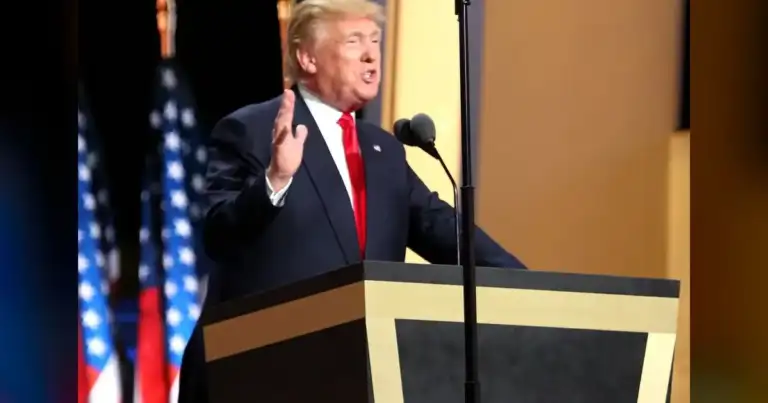
President Trump’s administration frames these strikes as a necessary demonstration of strength, a decisive blow against aggression aimed squarely at U.S. interests. This narrative, a cornerstone of his “America First” foreign policy and his enduring “peace through strength” rhetoric, is particularly potent during an election year. For Trump, this is about projecting an image of unwavering resolve, a commander-in-chief who doesn’t just talk tough but acts tougher. It’s a calculated political maneuver as much as it is a military one, designed to rally his base and silence critics who might question his leadership on the global stage.
But let’s be blunt: are these strikes truly deterring future attacks, or are they simply fueling the fire, pushing an already combustible region closer to a wider, bloodier conflict? The question isn’t academic; it’s existential. The cycle of retaliation risks spiraling out of control, dragging the U.S. into yet another protracted quagmire in the Middle East.
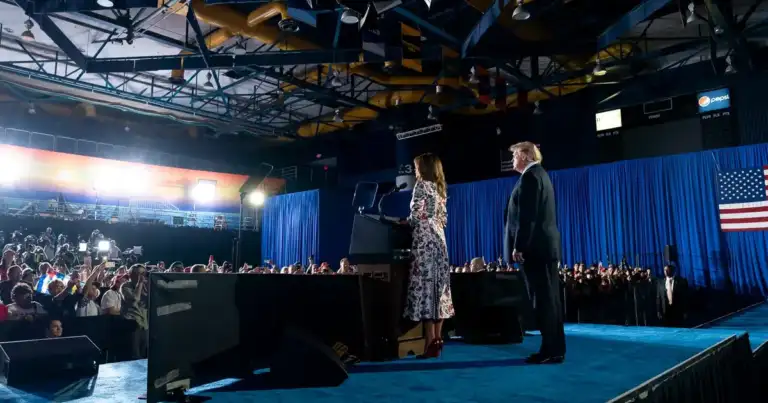
“They killed our soldiers, and we hit them very hard. We will continue to hit them harder if they dare to touch our brave men and women. This is not a game. America will not be pushed around.”
— President Donald Trump, July 18, 2026, campaign rally
The Pentagon, predictably, touts successful engagements, reporting significant damage to targeted facilities. A spokesperson, speaking to Reuters, confirmed precision self-defense strikes against three facilities in eastern Syria and western Iraq, explicitly stating these were in direct response to attacks on U.S. personnel. But official pronouncements often gloss over the grim realities on the ground. While Washington seeks to degrade IRGC capabilities, Tehran views this relentless assault as an unequivocal act of aggression. Iranian state media has condemned the strikes in the strongest terms, issuing dire warnings of serious escalation and reserving the right to respond decisively. Make no mistake, Iran’s threats are not idle.
The True Cost of Retaliation: Beyond the Battlefield
These strikes are far from cheap. Sustained air and drone operations, day after day, week after week, drain millions of dollars from the U.S. Treasury daily. We’re talking about the cost of advanced munitions, precision-guided missiles, fuel for fighter jets and surveillance drones, and the immense operational hours of highly trained personnel. While the exact figures for this specific campaign remain classified, the American taxpayer is footing a bill that grows exponentially with each passing night of bombardment.
But the real cost transcends mere dollars and cents. It’s measured in the heightened risk to U.S. personnel still deployed in the region, now operating under an even darker cloud of threat. It’s etched in the further erosion of regional stability, a delicate balance already teetering on the brink. And perhaps most immediately, it’s felt in the wallets of ordinary Americans as they pull up to the pump.
Global oil prices have already reacted with a nervous jolt, rising by 1-2% almost immediately after the first reports of increased tension. Markets, ever sensitive to geopolitical tremors, are gripped by fears of disruptions to vital oil transit routes, particularly through the Persian Gulf, a notorious chokepoint for a significant portion of the world’s energy supply. A full-blown regional war would not just send crude prices soaring; it would trigger an economic shockwave, leading to dramatically higher gas prices for everyone, crippling global supply chains, and potentially plunging the world into a severe economic downturn.
“U.S. forces conducted precision self-defense strikes against three facilities in eastern Syria and western Iraq used by IRGC-backed militias. These strikes were in direct response to attacks on U.S. personnel and are designed to degrade their ability to conduct future operations.”
— Pentagon Spokesperson, July 19, 2026, quoted by CNN
Iraq’s Sovereignty in the Crosshairs
Iraq, a nation still struggling to rebuild from decades of conflict, finds itself once again caught in the unforgiving crossfire. Its government has vociferously condemned the strikes on its sovereign territory, viewing them as blatant violations that undermine their hard-won stability efforts and threaten to drag the country back into chaos. Baghdad is forced to perform a perilous balancing act, navigating its essential alliances with the U.S. while simultaneously attempting to placate powerful regional neighbors and internal factions, many of whom are sympathetic to Iran.
The Iraqi Foreign Ministry, in a statement carried by The Guardian, unequivocally condemned the repeated violations, highlighting the profound dilemma facing Prime Minister Mohammed Shia’ Al Sudani’s administration. Iraq simply cannot afford to become a proxy battleground, yet its sovereignty is being trampled by both sides of this escalating conflict. It’s a humiliating position for any nation, and one that breeds resentment and further instability.
“Iraq condemns the repeated violations of its sovereignty by U.S. forces. Such actions undermine regional stability and complicate efforts to combat terrorism within our borders.”
— Iraqi Foreign Ministry Statement, July 19, 2026, quoted by The Guardian
This perilous dance between the U.S. and Iran is, tragically, nothing new. Their history is a tapestry woven with proxy conflicts and direct confrontations, a pattern that stretches back to the seismic 1979 Iranian Revolution. The shadows of past escalations loom large, none more so than the 2020 killing of General Qassem Soleimani. That audacious drone strike, which eliminated Iran’s most formidable military strategist, ignited a furious response of Iranian missile attacks on U.S. bases. The current campaign, now entering its second week, echoes those tensions with an unsettling fidelity, raising the specter of a replay, but on a far grander and more dangerous scale. Have no doubt, history is rhyming, and the melody is a mournful one.
The Looming Specter of War: What Comes Next?
The sustained nature of these strikes is not just alarming; it’s a profound departure from previous, more limited retaliations. This relentless pressure significantly increases the risk of miscalculation, a single errant missile or a misinterpreted signal that could trigger an unintended, uncontrollable escalation. Iran, with its vows of retaliation, is a wounded tiger, and a cornered adversary is often the most dangerous.
A wider war would not merely destabilize the Middle East; it would shatter it. Such a conflict would inevitably draw in other regional players, igniting a conflagration that would lead to an unimaginable humanitarian crisis, unleashing waves of refugees far surpassing anything seen before. Millions would be displaced, lives irrevocably broken, and the geopolitical map of the region redrawn in blood and fire.
For America, a full-scale conflict would mean a massive surge of U.S. troops, an inevitable increase in American casualties, and a colossal financial commitment that would dwarf any previous engagement. The American taxpayer, already burdened, would once again be forced to foot the bill for a war of uncertain duration and even more uncertain outcome. Furthermore, such a war would isolate the U.S. internationally, complicating diplomatic efforts on other global crises and eroding America’s standing on the world stage. The world is indeed watching, and from the UN Security Council to the halls of European capitals, the urgent plea for de-escalation grows louder by the day.
“The American regime’s continued aggression in the region is a clear violation of international law. Tehran reserves the right to respond decisively to any acts of adventurism against our interests or our allies.”
— Iranian Foreign Ministry Spokesperson, July 19, 2026, quoted by BBC News
President Trump’s actions send an unmistakable message: he will protect U.S. forces and interests at any cost. But the more pressing, more profound question remains: at what cost to America’s future? At what cost to the fragile stability of the world? This isn’t merely about revenge for fallen soldiers; it’s about the perilous game of geopolitical chess, about who stands to profit from prolonged conflict, and about the countless lives of everyday citizens caught in the relentless crossfire. This sustained aggression is a colossal gamble, one that could either achieve its stated goal of deterrence or, far more ominously, plunge the entire region into a devastating, full-blown war. The consequences for America, the global economy, and the very fabric of international order are not just immense; they are potentially catastrophic. The dice have been cast, and the world holds its breath.
Source: Google News