
Another monstrous magnitude 7.8 earthquake has ripped through the Philippines, leaving at least 32 dead and entire communities pulverized. This isn’t merely a headline; it’s a sickeningly familiar echo, a brutal reminder that the earth’s fury disproportionately claims the lives of those least equipped to withstand it.
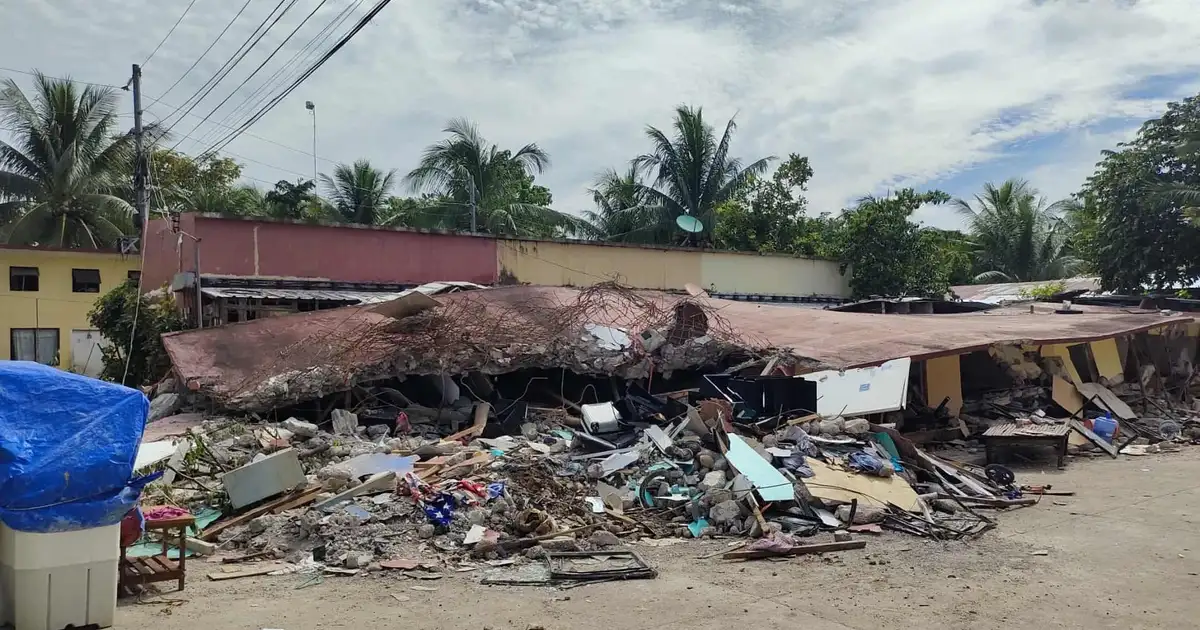
The devastation ripped through the islands with brutal speed. Buildings, many already precarious, buckled and collapsed like cheap card houses, burying countless souls.

The immediate aftermath brought the primal terror of a tsunami threat, sending terrified locals scrambling for any scrap of higher ground. Even Manila, the sprawling, often complacent metropolis, felt the terrifying, gut-wrenching tremors, a stark reminder of its own vulnerability.
The Brutal Reality of the Ring of Fire
Let’s be clear: this isn’t some ‘unforeseeable’ act of God. The Philippines is condemned by geography, sitting squarely on the Pacific Ring of Fire – a geological hotbed where earthquakes and volcanic eruptions aren’t anomalies; they are a constant, existential threat. This 7.8 quake isn’t just a brutal wake-up call; it’s the same damned siren the nation has heard countless times before, each time with devastating consequences.
- At least 32 confirmed deaths reported so far.
- Multiple buildings in urban centers suffered severe damage or total collapse.
- A tsunami warning was issued, causing mass evacuations along coastal areas.
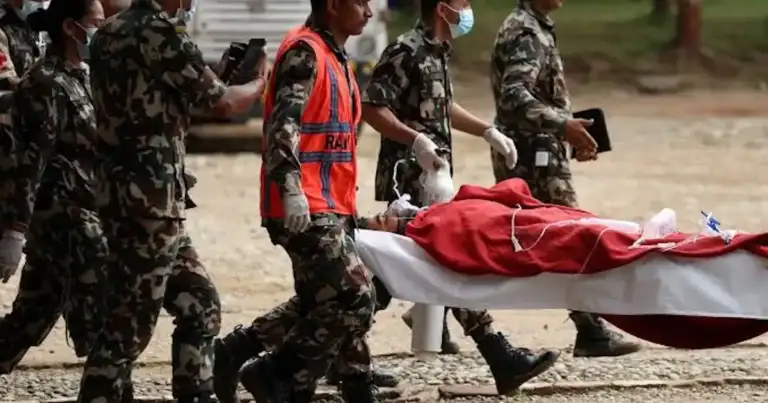
- Search and rescue operations are now underway.
Local officials are, predictably, scrambling – a frantic, often overwhelmed response to a catastrophe they know is always looming. Roads are choked with debris, communications are spotty, if not entirely severed. The sheer, horrifying scale of the disaster is not just becoming clear; it’s screaming its reality from every pile of rubble.
“We are mobilizing every resource,” stated a spokesperson for the National Disaster Risk Reduction and Management Council. “Our priority is saving lives and reaching those trapped.”
Infrastructure Under Siege: A Predictable Collapse
The real question, the one we consistently avoid, isn’t simply the immediate, tragic body count. It’s about the long game, the systemic rot. How many buildings in the Philippines – particularly those housing the poor and working class – are truly engineered to withstand such a raw, powerful jolt?
The answer, brutally clear amidst the dust and despair, is not nearly enough. This isn’t a unique tragedy; it’s a grim, predictable tableau that plays out time and again across every vulnerable seismic zone on the planet.
Developing nations don’t just struggle; they are often crippled by inadequate building codes, or worse, by utterly lax enforcement that’s ripe for corruption. The cheapest option, the quickest fix, almost always triumphs over safety and resilience. This earthquake doesn’t just expose that ugly truth; it shoves it into the world’s collective face, daring us to look away.
Think about the families now homeless, their entire existence reduced to a pile of shattered memories and broken dreams. The economic impact will be staggering, a generational wound. Businesses obliterated, livelihoods vaporized in an instant.
This isn’t just about rebuilding concrete and steel. It’s about the impossible task of rebuilding trust in a system that has, once again, catastrophically failed them.
The Global Response: Too Little, Too Late, Too Fleeting?
Now, the world will perform its predictable ritual: ‘thoughts and prayers,’ a flurry of aid organizations, and governments pledging millions. But let’s be brutally honest: how much of that actually translates into lasting, transformative change?
How much goes beyond a temporary balm, a fleeting PR victory? The headlines will inevitably fade, and that’s precisely when the real, grinding struggle for survival and dignity truly begins – largely unseen, largely forgotten.
Will there be a genuine, sustained international push for robust, earthquake-proof infrastructure, backed by genuine investment, not just empty rhetoric? Will wealthy nations finally step up and invest in truly resilient construction in these perpetually vulnerable areas, not just as charity, but as a moral imperative? Or will this be yet another sickening cycle of emergency donations, temporary fixes, and then collective amnesia until the earth inevitably shakes again, claiming more lives in buildings that should have been reinforced decades ago?
The Philippines doesn’t deserve mere temporary sympathy; it deserves a global commitment to tangible, long-term support. It demands the resources, the expertise, and the political will to build a future that won’t crumble into dust with the next, inevitable seismic shock. Anything less is a betrayal.
The Unseen Scars: A Call to Conscience
Thirty-two dead is a cold, clinical number. But each digit represents a mother, a father, a child, a friend – a gaping, unfillable hole torn through countless lives.
The trauma of this day will not simply dissipate; it will fester, lingering for generations. Survivors will carry the scars, both the visible wounds of the rubble and the invisible, psychological torment that haunts their waking and sleeping hours.
The images streaming out of the disaster zone are not just horrifying; they are soul-crushing. Dust, debris, and raw, primal despair hang heavy in the air.
We see people, not professional rescuers, but ordinary citizens, digging through mountains of rubble with bare, bleeding hands, desperate to find a loved one. These are the moments that don’t just test a nation’s resolve; they brutally expose the limits of human endurance and, more critically, they test the very conscience of a watching, often complacent, world.
This earthquake is more than a tragedy; it’s a damning indictment. It rips open the festering wound of global indifference and exposes our collective, repeated failure to protect the vulnerable. The question isn’t if we’re going to learn, but when we will finally choose to act – before the next inevitable tremor wipes another community off the map, and we’re left once again with blood on our hands.
Source: Google News