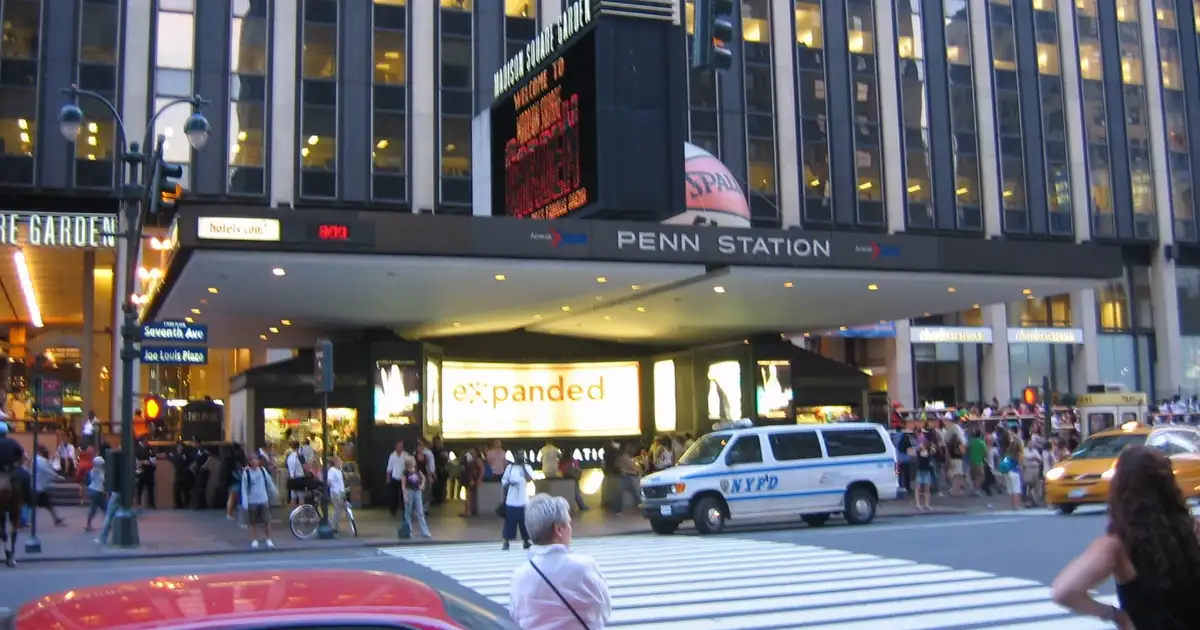

In a city perpetually on edge, New York City just witnessed a brutal stabbing rampage tear through its sprawling Penn Station, a harrowing prelude unfolding less than 24 hours before President Donald Trump is slated to attend a high-stakes Knicks Finals game at Madison Square Garden. The timing, as any seasoned political observer knows, is not merely unfortunate; it is a meticulously wrapped political gift.
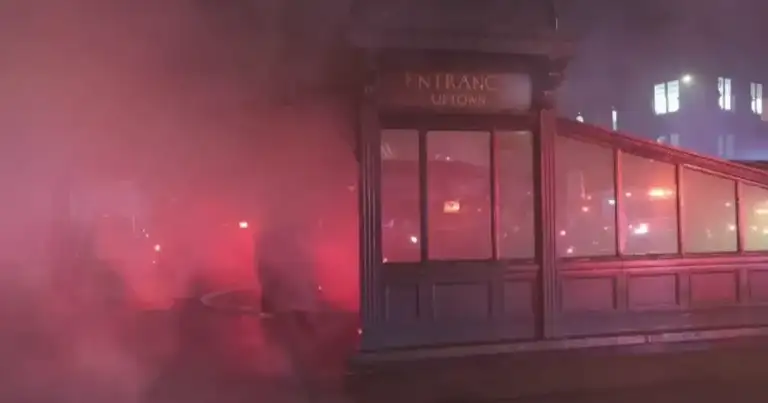
At least three individuals suffered grievous stab wounds in the chaotic incident, their lives irrevocably altered in a flash of unprovoked violence. While details from authorities remain frustratingly sparse, with the assailant’s identity and motives still shrouded in mystery, the chilling reality of urban vulnerability has once again been laid bare. Investigators are working the scene, promising updates soon, but for many, the damage to public trust is already done.

This brazen attack casts a long, menacing shadow over America’s most iconic metropolis, hitting with brutal precision right before a high-profile presidential visit. The confluence of raw urban violence and peak political theater could not be more incendiary, setting the stage for a confrontation of narratives that will define the coming days.
NYC’s Unsettling Reality: A City on the Brink
This is not, despite what some might wish to believe, an isolated anomaly. It is a stark, undeniable symptom of a disturbing trend plaguing major urban centers like New York City, where the promise of cosmopolitan vibrancy increasingly gives way to the dread of rising crime. Penn Station, once a bustling gateway to opportunity and movement, now stands as a stark symbol of this unraveling, reflecting the city’s struggle to maintain basic order.
The unspoken anxieties of millions of daily commuters, who move through crowded terminals and steel themselves against the unpredictable, have been brutally confirmed. This incident isn’t just news; it’s a visceral validation of their worst fears, a chilling reminder that danger lurks even in the most mundane corners of their daily lives.
The city’s leadership, which campaigned on a promise of restoring order and cleaning up the streets, now faces intense, unforgiving scrutiny. Despite their assurances, these violent episodes continue to plague public spaces, eroding the very fabric of urban life. The public’s patience, already threadbare, has snapped; they are fed up with empty promises and the predictable dance of political deflection.
Beyond the immediate human toll, the insidious cost of such incidents is immense. It doesn’t just erode public trust; it actively drives away tourists, stifles economic activity, and, most critically, makes residents question their fundamental right to security. How long can a city thrive when its citizens walk in fear, constantly looking over their shoulders?
The Trump Effect on the Ground: A Political Gift Wrapped in Tragedy
The arrival of President Trump amplifies this crisis into a national spectacle. For a politician whose very brand is forged in the fires of “law and order,” and who has consistently criticized urban decay, this incident hands him potent, undeniable political ammunition. It is a tragic gift, delivered directly to his doorstep, precisely when he needs it most.
His visit to Madison Square Garden for the Knicks Finals was already destined to be a spectacle. Now, it transcends mere sports entertainment; it becomes a dramatic backdrop to a city in palpable distress, a living tableau of the very issues Trump has railed against for years. The optics are not just undeniable; they are devastating for his opponents.
Expect President Trump not just to seize this moment, but to dominate it. He will not merely likely draw a stark contrast; he will hammer home the narrative, speaking directly to the visceral concerns of everyday Americans who feel abandoned by their leaders. This is how power operates in plain sight, leveraging tragedy into political capital with ruthless efficiency.
Watch the usual suspects in the establishment media scramble to dismiss this as an “isolated incident” or a complex social issue. They will frame it as anything but a failure of governance. But for the millions using the turnstiles and dodging the shadows, this is not an anomaly; it’s a terrifying confirmation of their daily reality, a reality they live with long after the news cycle moves on.
Who Pays the Price? The Invisible Cost of Fear
Beyond the shattered lives of the immediate victims, whose trauma will linger long after the headlines fade, the psychological ripple effects are far wider. Every New Yorker feels the chill, a pervasive sense of vulnerability that permeates the concrete canyons.
The predictable kabuki dance of local politicians will commence: solemn statements, hollow promises of “swift action,” and a flurry of press conferences designed to project an image of control. This is the well-worn script, played out time and again.
True change, however, demands more than platitudes; it requires a genuine commitment of resources and, crucially, the political courage to confront uncomfortable truths that many in power find convenient to ignore. It demands acknowledging the failures that have led to this point, rather than simply managing the optics of a crisis.
The city’s beleaguered taxpayers, already stretched thin, will ultimately bear the brunt. They will fund increased security, bolster overwhelmed emergency services, and, most insidiously, shoulder the invisible, corrosive cost of fear that permeates daily life. This fear is a tax on the soul of the city, and it is levied without mercy.
“Our priority is the safety of all New Yorkers,” one law enforcement official stated, speaking to The Washington Post. “We are deploying all available resources to bring the perpetrator to justice.”
To a populace weary of platitudes, these assurances ring not just hollow, but almost cruelly ironic. They have heard these words before, countless times. The cycle of violence, followed by performative outrage and fleeting promises, has become a grim, predictable rhythm, leaving citizens cynical and increasingly hopeless.
The Political Battleground of NYC: Defining Reality
New York City is more than just a city; it is America’s most potent political symbol, a microcosm where national tensions play out on a grand scale. It often serves as a proxy battleground for ideological wars, and this latest incident fuels that fight with fresh, potent ammunition.
With President Trump’s arrival, the national spotlight will burn hotter than ever, illuminating every detail, every official response. The roar of the Knicks Finals crowd will contend directly with the chilling drumbeat of rising crime statistics, creating a jarring juxtaposition that no one can ignore.
His formidable base will instantly seize upon this tragedy as definitive proof of his long-held warnings about urban decay and the perceived failures of liberal governance. They will highlight the undeniable need for stronger, more decisive leadership, a narrative that resonates deeply with millions across the country.
Conversely, his political adversaries will predictably pivot, attempting to deflect the conversation towards familiar talking points like gun control or “systemic issues,” rather than directly confronting the immediate breakdown of public safety. The blame game will intensify, obscuring genuine solutions under a barrage of partisan rhetoric.
This isn’t merely about a single act of barbarity in a crowded transit hub; it’s about the deeper struggle for control, for the very definition of reality in a fractured nation. It’s about who gets to tell the story of America’s cities, and what lessons are drawn from their struggles.
What Happens Next? A City’s Reckoning
Authorities will, of course, make arrests. They will deploy a visible surge of police around Penn Station and Madison Square Garden, a performative show of force designed to restore a fragile, temporary sense of calm. The immediate crisis will be managed, but the underlying rot remains.
Yet, the psychological damage is already inflicted, the seeds of fear deeply sown. A potent political weapon has been forged, perfectly honed for President Trump’s arsenal, offering him an undeniable, ready-made platform to amplify his message of urban decline and the urgent need for a return to law and order.
His rhetoric on urban crime, already unyielding, will undoubtedly harden further. He will wield this incident as a stark indictment of what he portrays as catastrophic failures in urban governance, a message he will deliver with unwavering conviction during his Knicks Finals appearance and far into the future.
New York’s leadership faces a stark choice: move beyond reflexive reactions and confront the uncomfortable root causes of this urban decay, or resign themselves to a future punctuated by more such tragedies, each chipping away further at the city’s soul. The easy answers have failed; what remains is a reckoning.
This event will not be forgotten quickly. It will be etched into the national conversation, shaping perceptions of New York City and fueling the ongoing, bitter political debate about the soul of urban America. The concrete canyons of New York have spoken, and President Trump, ever the astute interpreter of public sentiment, has added a chilling new chapter to his indictment of urban America.
The question now is not merely who will be held accountable for the stabbings, but who will ultimately write the next chapter for this city, and indeed, for the nation it symbolizes. Will it be a story of decline, or one of defiant resurgence? The stakes, as always, could not be higher.
Source: Google News