
The geopolitical equilibrium of the Middle East has been profoundly disrupted by a singular, audacious act: the confirmed downing of a U.S. Apache helicopter over the Strait of Hormuz by Iranian forces. This incident, far from being an isolated skirmish in the ongoing U.S.-Iran War (2026), represents a perilous escalation, demanding not merely a response, but a meticulously calibrated strategic reassessment from Washington and its allies.
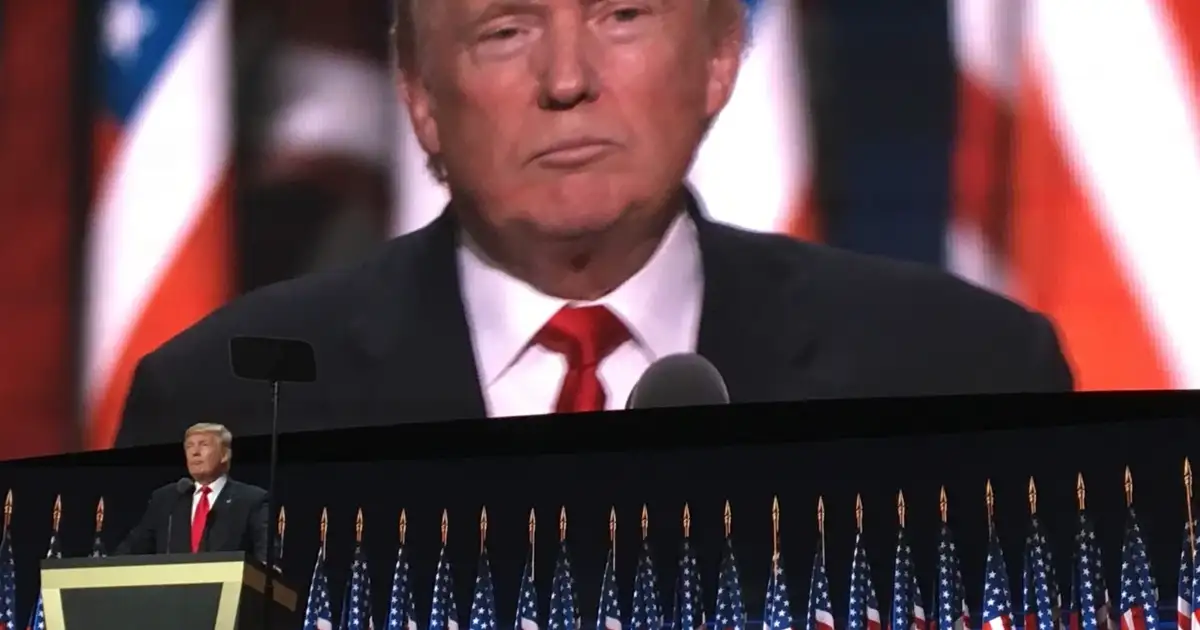
President Donald Trump revealed the attack earlier today from the Oval Office.

He confirmed an Apache helicopter, a cornerstone of American aerial reconnaissance and close air support, was brought down by an Iranian missile system.
The incident occurred late Tuesday near Bandar Abbas, a strategically vital port city at the mouth of the Strait.
Initial reports, grimly underscored by the Pentagon’s ongoing assessment, indicate two crew members are missing.
This development immediately amplifies fears of severe escalation, transforming a simmering conflict into a direct, high-stakes confrontation.
The search and rescue efforts are undoubtedly underway, but the loss of life or capture of American service members introduces a deeply personal and emotionally charged dimension to an already volatile situation.
Iran’s Audacious Provocation and Strategic Calculations
The Strait of Hormuz is not merely a body of water; it is arguably the most critical global chokepoint for energy trade, through which approximately 20% of the world’s petroleum and a third of its liquefied natural gas pass daily.
Iran’s decision to directly target U.S. military assets in these international waters is therefore an act of profound geopolitical significance.
This is no longer merely about proxy skirmishes or indirect threats; Tehran has, through this action, unequivocally signaled its readiness for direct confrontation, moving beyond the established, albeit tense, boundaries of engagement.
This audacious act represents a profound transgression of established international norms and a direct challenge to American military presence in the region.
The U.S.-Iran War (2026) has, until now, largely been characterized by heightened rhetoric, cyber warfare, and targeted strikes on non-human assets or proxy forces.
The direct engagement with and downing of a sophisticated U.S. helicopter marks a dangerous new phase, an undeniable act of aggression against American forces that forces a re-evaluation of Iran’s strategic calculus.
What could motivate such a provocative move? Is it a test of resolve, a response to perceived American weakness, or a desperate attempt to gain leverage amid domestic pressures?
Whatever the underlying rationale, the world has been watching the escalating rhetoric, and now, that rhetoric has turned irrevocably deadly.
Iran has deliberately provoked a severe response, and its leadership must be fully aware of the potential ramifications.
President Trump’s Unyielding Stance and Looming Retaliation
President Trump’s reaction was, predictably, swift and unequivocal.
Addressing the nation from the White House, he vowed a decisive and absolute retaliation against Iran, leaving no doubt as to the gravity with which his administration views this incident.
He underscored that attacks on American servicemen represent an intolerable affront, a declaration entirely consistent with his long-held, hawkish stance on Iranian aggression.
The political pressure on him to act decisively is immense, both from within his party and from a public demanding accountability for American lives.
Trump’s history demonstrates a clear willingness to employ overwhelming force when he perceives American interests or personnel to be under direct threat.
His administration unequivocally considers this a direct act of war.
“Iran has made a grave mistake,” President Trump stated, his voice resonating with resolve.
“They will pay a price the likes of which they have never seen. America will defend its people and its assets with unmatched power.”
This powerful statement underscores the severity of the situation and foreshadows a comprehensive military response.
The options on the table are varied and complex, each carrying its own set of risks and potential for further escalation.
These could range from targeted airstrikes against Iranian missile sites or naval assets to broader naval blockades designed to cripple Iran’s economy and military supply lines.
Furthermore, cyberattacks targeting critical Iranian infrastructure or military command and control systems are a strong possibility, offering a degree of deniability while still delivering a potent message.
The overarching goal will be to cripple Iran’s military capabilities and to send an undeniable, unequivocal message to Tehran, and indeed, to any other adversaries contemplating similar provocations.
Global Repercussions and the Precipice of Instability
This incident will send profound shockwaves throughout the Middle East and beyond.
U.S. allies in the region, particularly Israel and Saudi Arabia, will undoubtedly be on high alert, expecting strong American leadership and a robust demonstration of resolve.
Their security concerns will intensify, potentially leading to increased military posturing and calls for greater U.S. support.
Conversely, global rivals like Russia and China will be closely monitoring the situation, assessing how they might leverage the ensuing instability to advance their own strategic interests or to challenge American influence.
Their reactions, whether diplomatic or military, could further complicate an already precarious geopolitical landscape.
The economic ramifications are already starkly evident.
Global energy markets reacted instantaneously, with oil prices surging by an estimated 5-7% immediately after the announcement, reflecting profound anxiety over supply disruptions.
Shipping routes through the Strait of Hormuz now face immense and unprecedented risk, potentially leading to soaring insurance premiums and widespread supply chain disruptions that could impact economies worldwide.
The stability of the entire region, a vital artery for global commerce, hangs precariously in the balance.
Will other nations, with their own vested interests in regional stability and energy security, be drawn into this intensifying conflict?
The immediate future looks incredibly volatile, a complex mix of military maneuvers, diplomatic maneuvering, and economic uncertainty.
This helicopter downing is not merely an incident; it is a profound game-changer, the full fallout of which no one can yet predict.
The world, quite literally, is bracing for impact.
The Path Ahead: A Defining Moment
The downing of a U.S. Apache helicopter is more than a hostile act; it is a stark declaration from Tehran, a deliberate escalation designed to test the resolve of the United States and its allies.
President Trump’s promised retaliation will undoubtedly redefine the parameters of the ongoing conflict, pushing both nations closer to an unpredictable abyss.
This is not a moment for hesitation, but for strategic clarity and decisive action, weighed against the immense potential for regional conflagration.
As the world watches, holding its breath, the storm gathers over the Strait of Hormuz.
What precise form will the American response take, and how will Iran, and indeed the broader international community, react?
The answers to these questions will not only shape the immediate future of the Middle East but could reverberate across the global stage for years to come.
Source: Google News