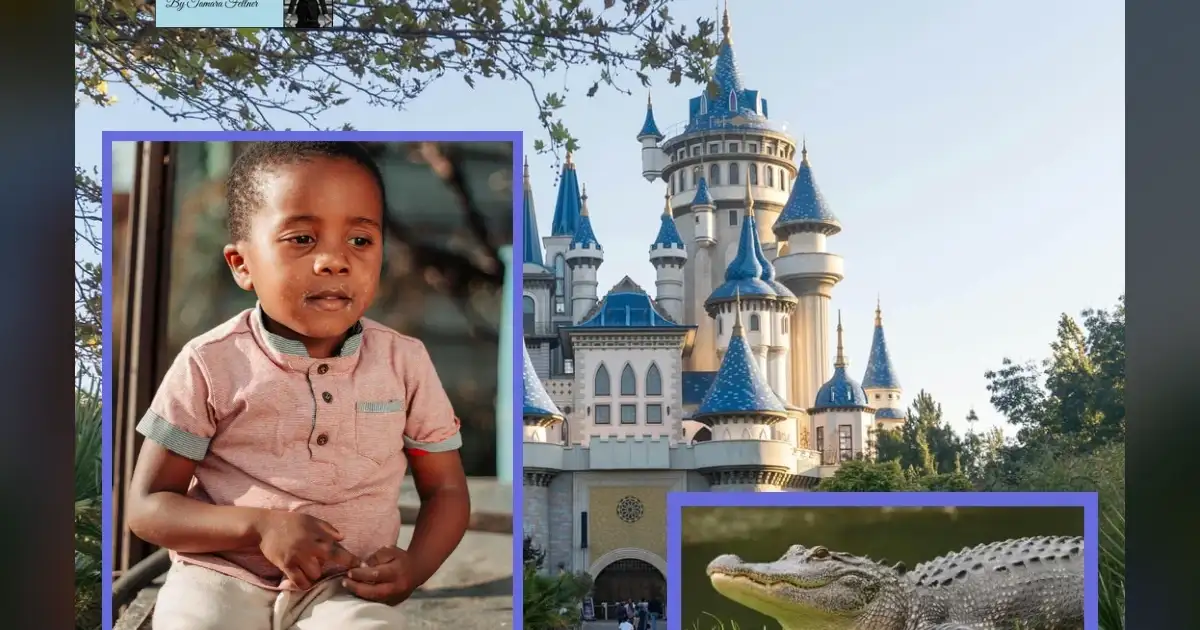

Disney World isn’t just a land of magic and make-believe; it’s a strategic battleground where the forces of meticulously planned entertainment clash with the untamed heart of Florida’s wilderness. Since the devastating tragedy of 2016, the resort has waged an aggressive, silent war against one of the state’s most iconic predators. Over 400 alligators have been systematically removed from Disney World property, a staggering figure that isn’t merely a statistic, but a stark indicator of a comprehensive, non-negotiable commitment to guest safety.
This radical shift in strategy was born from an unimaginable horror. On June 14, 2016, the lives of a family, and indeed Disney’s approach to wildlife management, were irrevocably altered when two-year-old Lane Graves was tragically taken by an alligator at the Seven Seas Lagoon beach, just outside the opulent Grand Floridian Resort & Spa. That day marked a critical turning point, forcing Disney to overhaul its entire defensive playbook.

Before 2016, Disney’s wildlife protocol was reactive, largely focusing on the removal of larger, visibly aggressive gators. Post-tragedy, that passive stance was abandoned. The new approach is unequivocally proactive, a relentless pursuit of prevention designed to ensure such a devastating incident is never, ever repeated on their watch.
The Safety Playbook: A Tactical Masterclass?
The core question for any shrewd analyst isn’t about sentiment; it’s about efficacy. Are Disney World’s current alligator safety measures truly a tactical masterclass, or are they merely engaged in an endless, unsustainable game of removals? The data, much like a game tape review, reveals a clear, decisive victory for safety, demonstrating a comprehensive, multi-faceted defensive scheme.
- Zero Incidents Since 2016: This is the ultimate metric. Despite millions of guests annually, there have been no reported alligator attacks on Disney World property since the enhanced protocols were implemented. This isn’t luck; it’s execution.
- Multi-Layered Defense: Disney’s strategy extends far beyond simple trapping. They’ve deployed over 50 new, highly visible signs across the property, explicitly warning guests about alligators and snakes in multiple languages. This isn’t just communication; it’s strategic intelligence, informing and deterring potential risks.
- Physical Barriers: A robust perimeter defense has been erected. New rock walls and rope fences now line all waterfronts where guests might venture. These aren’t just aesthetic additions; they are crucial physical barriers, creating a critical buffer zone between human and habitat.
- Proactive Trapping: The removal of over 400 alligators is not a random act; it’s a sustained, aggressive offensive. This proactive measure systematically reduces the dangerous alligator population within resort boundaries, drastically minimizing the chances for human-alligator interaction. It’s a clear strategy of controlling the field of play.
- Expert Collaboration: Disney doesn’t operate in a vacuum. They’ve forged a critical partnership with the Florida Fish and Wildlife Conservation Commission (FWC). This collaboration taps into state-level expertise, ensuring that Disney’s wildlife management is not only effective but also regulated and aligned with broader conservation efforts. This is akin to bringing in a specialist coach for a complex defensive scheme.
- Continuous Monitoring: Trained staff, much like vigilant scouts, constantly patrol water bodies, actively looking for any signs of alligator activity. Swift intervention is not an option; it’s a mandate when a potential threat is identified. This constant vigilance is the backbone of their ongoing success.
This isn’t merely a numbers game or a public relations exercise. It is a meticulously designed, continuously refined, and ruthlessly executed tactical defense. Disney absorbed a brutal lesson from the 2016 tragedy, and they are applying its painful wisdom every single day, demonstrating an unwavering commitment to protecting their guests.
A Continuous Game Plan for Wildlife Management
The “over 400” figure is not a static historical footnote; it represents an ongoing, dynamic commitment to vigilance. Disney’s dedicated wildlife management teams are in a perpetual state of readiness, always active, always on patrol. This isn’t a one-time fix; it’s a permanent operational directive.
Jacquee Wahler, Vice President of Communications at Walt Disney World Resort, has consistently articulated this unwavering commitment. Her statements underscore the continuous nature of their efforts. “We continue to reinforce our comprehensive alligator mitigation program,” Wahler affirmed in a widely recirculated 2023 statement. “This includes regular monitoring and removal of alligators that could pose a risk to our guests and Cast Members. Guest safety remains our top priority.”
“We continue to reinforce our comprehensive alligator mitigation program, which includes regular monitoring and removal of alligators that could pose a risk to our guests and Cast Members. Guest safety remains our top priority.”
— Jacquee Wahler, VP of Communications, Walt Disney World Resort
The FWC, the state’s leading authority on wildlife, unequivocally supports and collaborates with Disney’s efforts. An FWC spokesperson highlighted their integral role: “The FWC’s Statewide Nuisance Alligator Program (SNAP) works closely with property owners, including Disney, to address alligator concerns. Our licensed trappers are deployed to remove alligators that are deemed a nuisance, ensuring public safety.” This partnership is crucial; it ensures Disney’s actions are part of a larger, coordinated statewide strategy, not an isolated endeavor.
Indeed, this isn’t solely about Disney’s property. The FWC fields approximately 16,000 alligator-related complaints each year across Florida, removing around 8,000 nuisance alligators annually. Disney’s robust program significantly contributes to this statewide effort, showcasing how a private entity can play a pivotal role in critical public safety and broader wildlife management challenges.
The Unseen Battle for the Sunshine State
Florida is a paradox: a global tourism magnet inextricably linked to an untamed, vibrant wilderness. Alligators are not just a part of this ecosystem; they are a defining feature. This inherent duality creates unique, persistent challenges for world-class theme parks operating within their natural habitat. How do you maintain the illusion of magic while confronting the stark realities of nature?
For the millions of tourists who flock to Disney World, especially families with young children, these visible and invisible security measures are profoundly reassuring. The 2016 tragedy delivered a brutal blow to public confidence. Now, the ubiquitous warning signs, the physical barriers, and the transparent removal program serve to ease anxieties, allowing families to immerse themselves in the vacation experience without the constant specter of fear. It’s about restoring trust, one safe moment at a time.
While wildlife advocates understandably raise valid concerns regarding the sheer volume of removals, advocating for increased public education and habitat management, the operational reality in high-traffic, guest-dense areas like Disney World dictates a clear priority. Human safety, particularly the safety of children, must always be the paramount consideration.
Disney’s primary mission, above all else, is to protect its millions of guests from foreseeable risks. The tactical decision to prioritize guest safety over an unmanaged wild population within its boundaries is, from a business and ethical standpoint, unassailable.
This ongoing situation serves as a potent reminder that even within the most meticulously crafted magical kingdom, the raw power of nature asserts itself. Disney is not merely coexisting with this reality; it is actively engaging in a continuous, high-stakes battle. They are doing so with a clear, well-defined plan, robust resource allocation, and an execution strategy that has proven its worth.
The ultimate goal, the one that drives every decision and every patrol, is simple: to prevent another tragic headline. Disney World has learned its lesson, painfully and publicly. They are now executing a defensive strategy that doesn’t just work; it dominates the field.
The numbers don’t lie: over 400 gators gone means over 400 fewer risks. It means countless more safe family memories forged in a place where magic should be the only surprise. This isn’t just good management; it’s a masterclass in operational security, ensuring the only jaws dropping are from awe, not fear.
Source: Google News