
Another Fourth of July, another preventable death. On July 4, 2026, a woman in California lost her life to a fireworks explosion – a stark, brutal reminder that our annual celebrations are costing us far too much. This isn’t just a tragic accident; it’s a predictable outcome of dangerous practices we continue to tolerate. While details about her identity and the exact location are still emerging, the horrific incident immediately sparked renewed concern among public health officials and safety advocates across the state.
Emergency services across California reported a significant spike in fireworks-related calls that holiday weekend. These weren’t just minor inconveniences; they ranged from severe burns requiring extensive medical care to life-altering trauma, including amputations and permanent eye damage. This incident rips away any illusion of safety surrounding celebratory pyrotechnics, forcing us to confront the harsh reality of their inherent dangers head-on.
The Annual Carnage Continues: A Public Health Crisis
Every year, the Fourth of July transforms from a joyous celebration into a devastating public health nightmare. Hospitals brace themselves for an onslaught of injuries, their emergency rooms overflowing with preventable burn victims. This year, the cost was the ultimate one: a human life.
As a science communicator, I can tell you that public health officials consistently warn about these risks because the evidence is overwhelming. Fireworks are not benign toys; they are volatile explosives. They cause thousands of injuries annually across the nation, from devastating eye damage that robs people of their sight, to severe burns requiring skin grafts, to traumatic amputations that forever alter a person’s life. This latest death is not an anomaly; it’s a grim, predictable consequence of allowing dangerous consumer explosives into untrained hands.
The “celebration” often ends in the chilling wail of emergency vehicles racing through the night. Fire departments battle blazes sparked by errant rockets, consuming homes and wildlands. Medical staff work tirelessly, patching up avoidable wounds, often for days after the holiday. It’s a preventable cycle of chaos, suffering, and immense strain on our vital public services. And let’s not forget the hidden toll: the terror inflicted on pets, wildlife, and veterans suffering from PTSD, for whom the celebratory booms are anything but joyful.
Who Pays the Price? We All Do.
The woman who died paid the ultimate price, a life tragically cut short. But the cost extends far beyond one tragic incident. Our already strained healthcare system buckles under the weight of these preventable injuries. Imagine the resources diverted: the doctors, nurses, and hospital beds occupied by fireworks victims, often at the expense of other critical emergencies.
Financial costs are staggering. Emergency room visits, surgeries, long-term rehabilitation, and lost wages for victims and their caregivers add up to millions of dollars annually. Who foots that bill? Taxpayers, insurance companies, and ultimately, the entire community. Firefighters, too, risk their lives containing explosions and battling fires that could have been entirely avoided. They face increased call volumes and serious incidents, diverting resources from other critical emergencies and putting their own safety on the line.
Safety advocates have been vocal for years, presenting compelling evidence of harm and demanding stricter regulations. They point to the overwhelming data, yet dangerous consumer fireworks remain widely accessible in many areas. This isn’t just an oversight; it’s a profound policy failure, plain and simple, driven by a misplaced sense of tradition and often, powerful lobbying interests.
“We see the devastation firsthand every single year,” one public health official lamented recently. “These aren’t accidents; they’re predictable outcomes of dangerous practices. The human cost is simply unacceptable.”
The Illusion of Personal Liberty
Why do we tolerate this annual toll? Is the fleeting thrill of backyard pyrotechnics truly worth the potential for death, disfigurement, and widespread community disruption? This isn’t merely about personal choice; it’s fundamentally about public safety and community well-being. The argument for “personal liberty” often falls apart when that liberty directly infringes on the safety and peace of mind of others.
Consider the externalities: the pervasive noise pollution that can trigger anxiety and PTSD, the air pollution from smoke and particulate matter, and the very real danger of property damage to neighbors. We regulate countless other activities that pose public risks, from driving under the influence to the safe storage of firearms. Why do we give a free pass to explosives that routinely cause such devastation?
Time to Get Real: Prioritizing Lives Over Loud Noises
It’s time for lawmakers to step up and demonstrate real courage. We must prioritize human lives over outdated traditions and the fleeting desire for a backyard boom. Banning dangerous consumer fireworks is not an attack on freedom; it’s a commitment to public safety, a recognition of shared responsibility, and an evidence-based approach to preventing predictable harm.
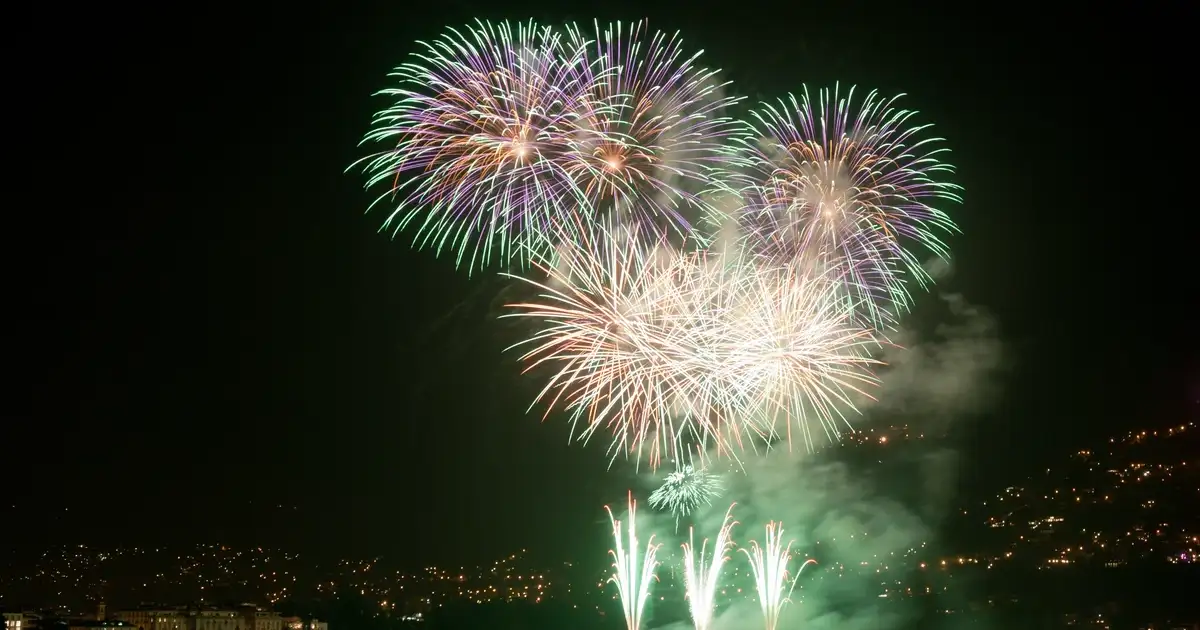
Professional firework displays offer a safe, spectacular, and responsible alternative. Conducted by trained experts in controlled environments, they provide the awe-inspiring visual spectacle without the uncontrolled danger, the emergency room visits, or the tragic loss of life. Communities can still celebrate with grandeur and excitement, without risking lives and limbs. This shift is not just long overdue; it’s a moral imperative.
This California death should be a resounding wake-up call for every community, every lawmaker, and every individual. We cannot continue to ignore the clear and present danger that consumer fireworks pose. The time for endless debate is over. The time for decisive action is now. No more excuses, no more preventable tragedies.
We must demand better from our elected officials. Public health is not a suggestion; it’s a mandate. Let’s make sure another July 4th doesn’t bring another preventable death, but instead, a safer, truly celebratory experience for all.
Source: Google News