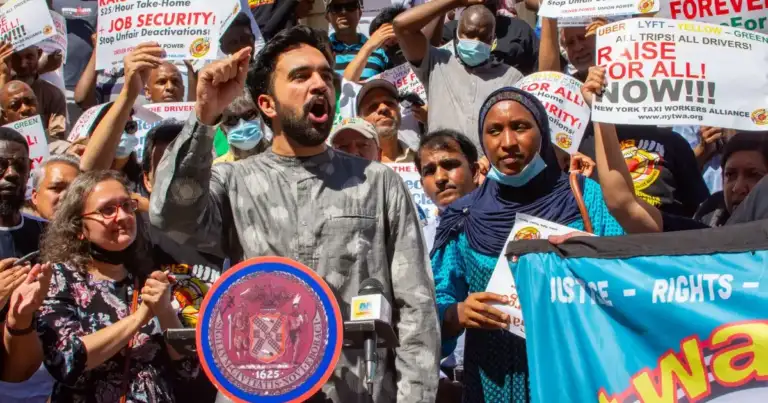

New York City is baking. As mercury soared past 100°F (38°C), turning apartments into ovens, Assemblymember Zohran Mamdani delivered a directive that left New Yorkers steaming: set your AC to 78 degrees. The city didn’t just balk; it erupted in furious, sweaty mockery.
This wasn’t merely about comfort. It was a stark, undeniable admission that NYC’s power grid is not just struggling, but actively buckling under climate reality’s relentless hammer blows.

For three brutal days, New York City has been trapped under a relentless dome of heat. Temperatures soared above 100°F (38°C), prompting an Excessive Heat Warning until July 3rd, 2026. This isn’t just uncomfortable; it’s a critical stress test.
Brutal conditions pushed Con Edison’s electricity demand past an astounding 13,000 megawatts. This figure is dangerously close to its all-time record set in 2013. We are, quite literally, pushing the system to its breaking point.
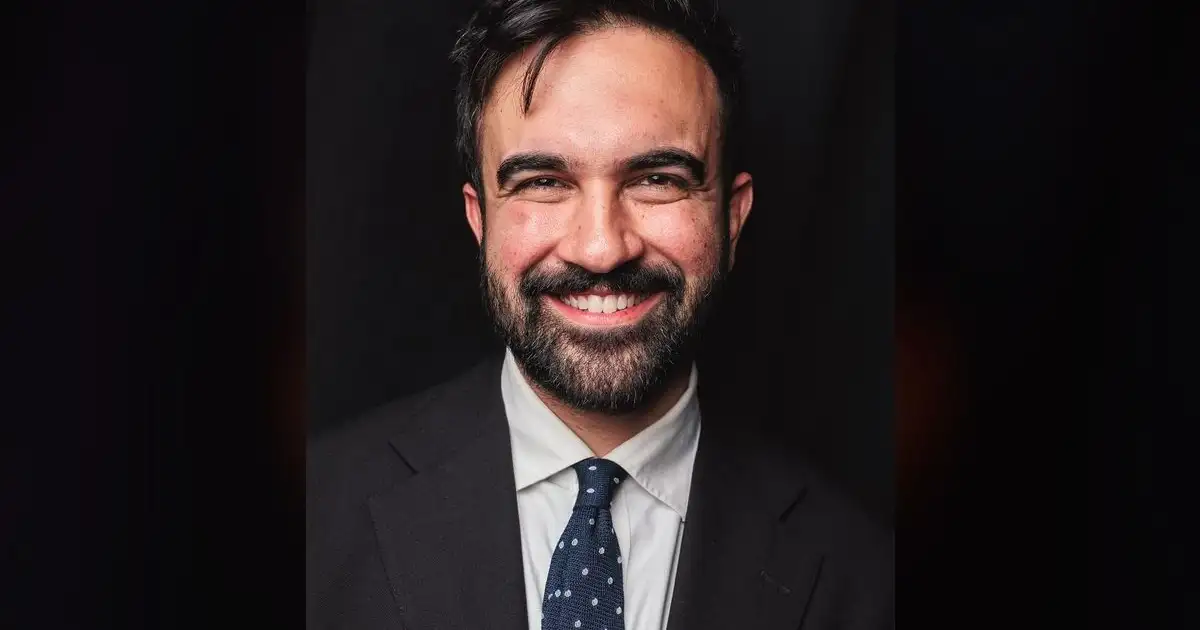
Against this backdrop of escalating crisis, on June 30th, Assemblymember Zohran Mamdani (D-Astoria) publicly issued his controversial plea. He urged residents to set their AC to 78°F, citing a desperate attempt to prevent widespread blackouts.
Yet, even as he spoke, localized power disruptions had already begun to ripple through parts of Queens and Brooklyn. This was a chilling preview of what could come. In a cruel twist, public health officials simultaneously sounded urgent alarm bells, warning about the immediate dangers of heatstroke.
The 78-Degree Folly
Mamdani’s call for conservation didn’t just spark outrage; it ignited a firestorm. Imagine sweltering in a 100-degree apartment, only to be told 78 degrees is your civic duty. For countless New Yorkers, this was unrealistic, deeply insensitive, and insulting.
It brazenly shifts the burden of a crumbling, failing system squarely onto suffering individuals. This avoids addressing the systemic rot. Predictably, social media exploded into a pressure cooker of furious complaints and scathing memes, reflecting the city’s collective disbelief and anger.
Public health experts find themselves in an impossible bind. While they understand the urgent need for grid stability, their paramount concern is preventing heatstroke and saving lives. The CDC generally suggests keeping homes between 70-78°F.
However, they explicitly state that individual needs vary drastically. For vulnerable populations – the elderly, chronically ill, and young children – “cooler temperatures” are a non-negotiable requirement for survival. To suggest otherwise ignores basic physiology and human compassion.
“With temperatures soaring and our grid under immense pressure, we must all do our part. Setting your AC to 78 degrees helps prevent blackouts that could endanger our most vulnerable neighbors. This isn’t about comfort; it’s about community safety.” – Assemblymember Zohran Mamdani, June 30, 2026
Unsurprisingly, Con Edison wholeheartedly supports these conservation measures. From their perspective, it’s a necessary evil, a stopgap to prevent catastrophic system overloads and ensure power for critical services.
“We appreciate our customers’ efforts to conserve energy during this critical period,” a spokesperson blandly stated. They added, “Every degree higher on the thermostat helps reduce strain on the system.” This statement conveniently sidesteps the deeper issue: why is the system so strained in the first place?
Standing in stark contrast to this corporate plea was Dr. Anya Sharma from the NYC Department of Health, whose priorities are refreshingly human. “While energy conservation is important, our primary concern remains preventing heat-related illnesses,” she asserted, cutting through corporate jargon.
“We urge everyone to stay hydrated and use cooling centers if their home is too hot.” Her statement isn’t just a suggestion; it’s a desperate plea. It underscores the grim reality that we’re talking about people getting gravely ill, or worse, dying.
NYC’s Grid: A Melting Time Bomb?
The real question isn’t about individual AC choices. It’s about a far more profound challenge: can New York City’s power grid handle these increasingly frequent, intense extreme heatwaves? The answer, frankly, is a resounding, terrifying no.
We aren’t merely one heatwave away from a major public health crisis. Make no mistake, we are almost certainly in one already, with the full implications yet to unfold.
- Aging Infrastructure: A Ticking Clock. Much of NYC’s electrical grid isn’t just old; it’s ancient, a relic decades past its prime. It was never engineered to withstand today’s sustained, brutal high temperatures. The result? Underground cables are literally melting, and substations are failing at alarming rates.
- Increased Demand: An Inevitable Surge. Climate models aren’t just predicting warmer weather; they project a dramatic increase in days above 90°F. This translates into a staggering 20-30% jump in peak electricity demand by 2050. Our cooling needs aren’t going to stabilize; they will relentlessly grow, pushing the system further to its brink.
- Slow Modernization: Too Little, Too Late? While Con Edison proudly touts billions poured into upgrades, implementing smart grid technology and battery storage, these are painfully slow, long-term projects. They offer only incremental, almost negligible, benefits against an accelerating, existential crisis. It’s like bringing a spoon to a flood.
- Vulnerable Populations at Risk: A Humanitarian Catastrophe. Imagine the unthinkable: a major blackout during this kind of heat. For the 1.7 million residents over 65 living in NYC, and the hundreds of thousands battling chronic health conditions, it wouldn’t just be an inconvenience; it would be a humanitarian catastrophe. Heat-related hospitalizations and fatalities would skyrocket. Already, EMS calls have surged by a terrifying 25% in the past 72 hours.
- Limited Green Energy: A Failed Promise. New York City might talk a big game about its commitment to renewables, but the reality is stark. Integrating large-scale green energy sources remains agonizingly slow. Energy efficiency retrofits in older buildings lag woefully behind. The city remains stubbornly reliant on an overstressed, antiquated, traditional power system, clinging to the past while the future burns.
Who Bears the Burden?
This glib “keep it at 78” advice doesn’t just shine a harsh light on inequality; it exposes the gaping chasm of injustice at the heart of our city. When the grid strains, who truly suffers? It’s certainly not politicians in their perfectly chilled, taxpayer-funded offices.
No, it’s the elderly, trapped in stifling walk-up apartments. It’s low-income families, baking in poorly insulated buildings, with no financial means or physical escape. Their suffering is a direct consequence of systemic neglect, not personal choice.
Yes, cooling centers are available – over 500 of them, we’re told. But let’s be brutally honest: accessibility and capacity are formidable barriers for the very people who need them most. For countless New Yorkers, using public transport or walking blocks in this scorching heat to reach a center is an impossible struggle.
For them, staying home in dangerous, oven-like conditions isn’t an option; it’s the only option. To then demand these citizens sacrifice their health and safety for systemic failures is not merely unacceptable. It is a profound moral failing on the part of the city’s leadership.
Source: Google News