
Moderna’s Skin Cancer Vaccine Is Not Preventing Skin Cancer—It’s Treating It
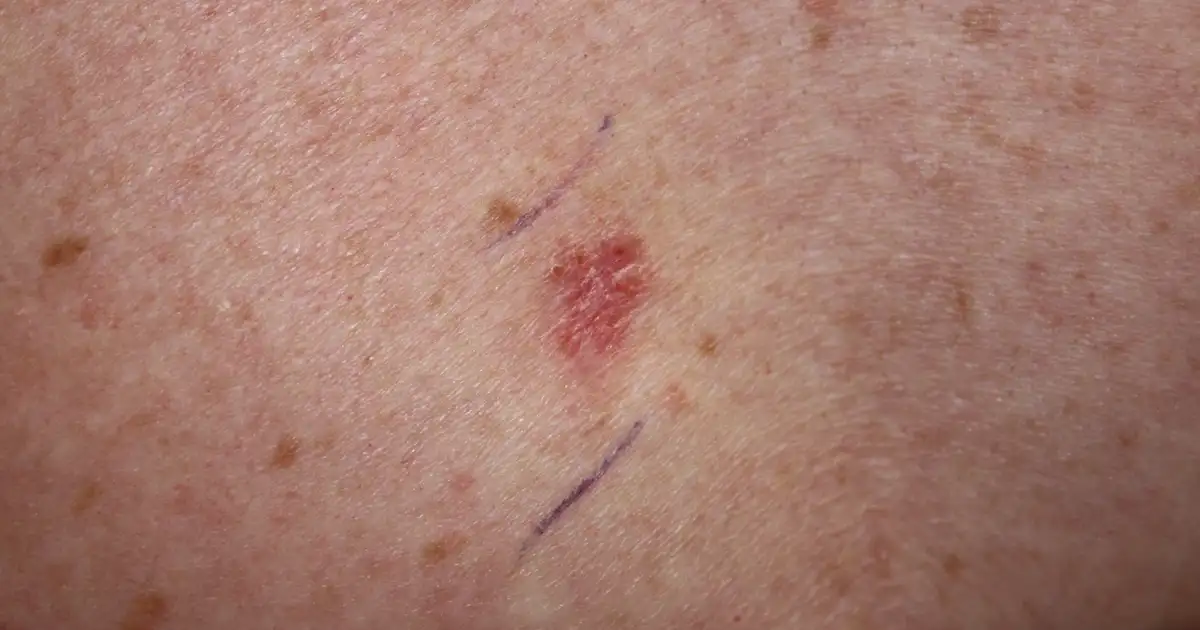
A vaccine that fights existing melanoma instead of preventing it? That’s the bold claim Moderna is making with its experimental mRNA therapy. But don’t get excited about a miracle cure—this isn’t a shield against skin cancer. It’s a targeted treatment for those already diagnosed, raising questions about how quickly such therapies will become mainstream and who will benefit.The Cold, Hard Truth About Moderna’s Skin Cancer Shot
Moderna’s mRNA-4157 targets advanced melanoma patients, activating the immune system against tumor-specific proteins called neoantigens. In a Phase 2 trial with around 200 patients, those receiving the vaccine alongside standard immunotherapy saw a 30% reduction in recurrence over 18 months. This suggests a real shift in treatment possibilities, but it’s early days. The company aims to turn mRNA technology into a cancer-fighting tool, not just a pandemic solution. With over $500 million invested and larger trials planned, Moderna’s focus is on personalized, injectable vaccines—an approach that could redefine melanoma care if proven effective.The Why and How of Moderna’s Approach
Existing treatments like surgery and immunotherapy often fail to prevent recurrence. Moderna’s vaccine trains the immune system to target residual cancer cells, personalized for each patient’s unique tumor mutations. This marks a leap forward—using mRNA to fight an already diagnosed cancer with precision, not just prevention.Benefits and Challenges: The Road Ahead
Benefits: – Boosts immune response, lowering recurrence risk. – Offers hope for aggressive or recurrent melanoma. – Could extend survival when combined with existing therapies. Challenges: – Not a preventive tool; only for treatment. – Results are preliminary; larger trials are needed. – Manufacturing personalized vaccines is complex and costly, raising access concerns.Why Should You Care?
Melanoma’s recurrence rate is high, and options dwindle once it spreads. If Moderna’s vaccine proves effective, it could mean longer remission for high-risk patients. It’s a sign that mRNA technology is shifting from pandemic hero to cancer fighter—an encouraging development for those fighting for their lives.The Bigger Picture: The Future of Cancer Treatment
This breakthrough could extend beyond melanoma—potentially tackling lung, pancreatic, or brain cancers. Its scalability promises a new era of personalized oncology. But regulatory hurdles, costs, and equitable access threaten to slow progress. This isn’t a magic bullet. It’s a promising step, but one that raises questions about long-term benefits and affordability. Will this innovation be limited to the wealthy, or will it become a standard treatment for all?The Power Play: Big Pharma’s Role in Shaping the Future
Big biotech is pouring billions into personalized cancer vaccines. Moderna’s $500 million investment aims to lead this race, pushing for faster approvals and mass production. Meanwhile, regulators demand more data, delaying widespread rollout. This clash of science and profit underscores a complex landscape. Moderna’s success depends on proving its vaccine’s worth convincingly—only then can it become a common treatment, not just a speculative hope.Voices from the Frontlines
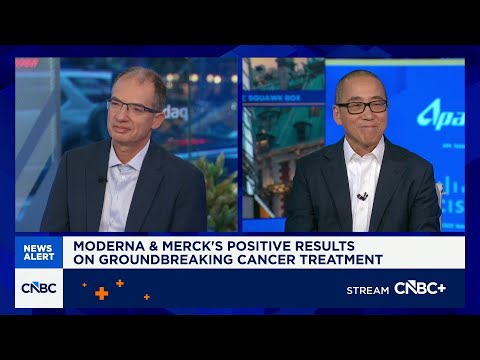
Dr. Lisa Carter, a melanoma specialist at Johns Hopkins, warns:“If these early results hold, Moderna could change how we treat advanced skin cancers. It’s not prevention—it’s a targeted therapy that could save lives.”Moderna’s CEO Stéphane Bancel adds:
“Our aim is to harness mRNA to cure diseases, not just prevent them. We believe this approach will revolutionize cancer care.”
Hope or Hype? The Final Word
This is a promising advance, but it’s still early. Larger trials are needed to confirm benefits. For melanoma patients, this vaccine could someday mean the difference between relapse and remission. But big pharma’s profit motives and regulatory delays will shape how quickly it becomes available—and who gets access. The science is compelling. The race is underway. The real question: how soon will this reach your doctor’s office, and who will truly benefit? As cancer treatments evolve, one thing is clear—this is just the start of a new era where personalized immunotherapy could become standard. The future is here, but it’s not yet accessible to all.Photo: Wikimedia Commons (query: Stéphane Bancel)
Source: Google News