

Heavy Snow Is Coming, and Americans Better Prepare Now
Brace yourselves—this winter isn’t just going to be cold; it’s shaping up to be one of the most brutal snow seasons in recent memory. The Farmer’s Almanac has issued a stark warning: from coast to coast, the U.S. will face relentless, record-breaking snowfall that could cripple transportation, strain infrastructure, and test emergency systems to their limits. If you think mild winters are the norm, think again. This year’s forecast suggests we’re in for chaos—and only those who prepare will survive unscathed.What the Almanac Is Saying and Why It Matters
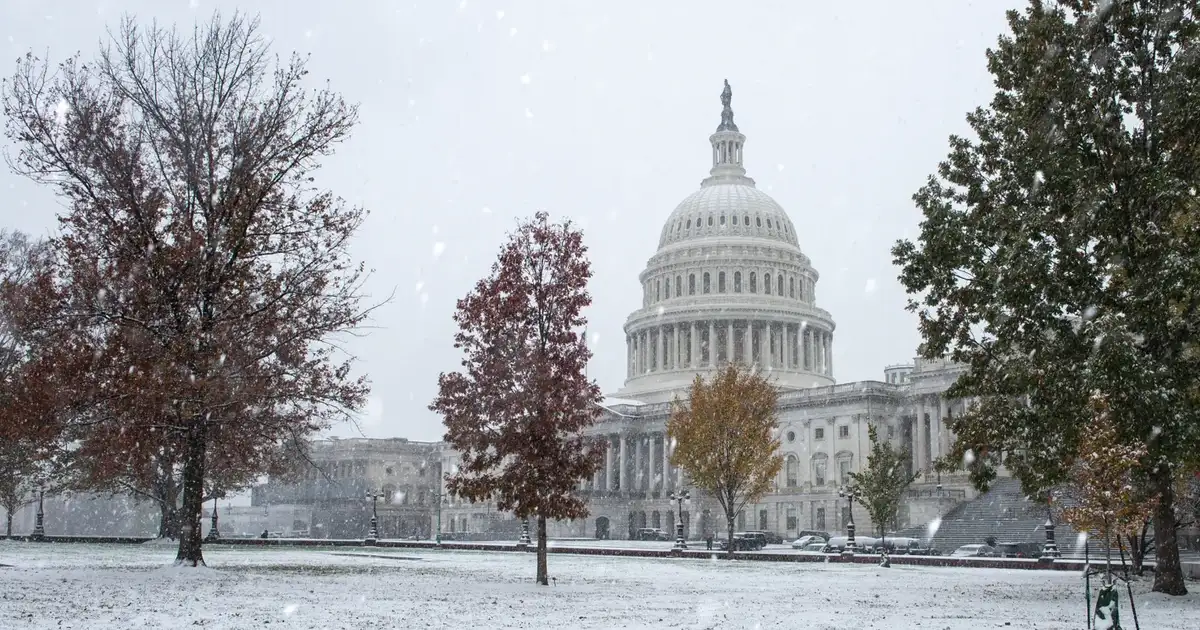
This isn’t just some weather guesswork; it’s a calculated forecast rooted in the Almanac’s chief meteorologist’s prediction of an “intensified polar vortex” combined with “above-normal storm activity.” In plain terms: expect a barrage of heavy, disruptive snowstorms that will reshape the winter landscape across the country. Recent data from NOAA and the National Weather Service reinforce this dire outlook. They warn of a surge in major snow events targeting key urban centers between December and February. Some regions in the Northeast could see 30 to 50 inches of snow—enough to shatter records and bring daily life to a grinding halt. This isn’t hyperbole; it’s a potential winter of unprecedented upheaval.Recent Weather Trends and What They Signal
- Snowfall already blanketed parts of the Northern Plains and Great Lakes early this season—precursors of what’s to come.
- Major cities like Chicago, Detroit, Cleveland, New York, and Boston are on the front lines for historic storms.
- Many regions are already experiencing snowfall 20-30% above seasonal averages, with some facing the worst winter in decades.
Timing Is Everything
- Snow will start piling up as early as December—be ready.
- The peak of the storm season runs from mid-January through late February, with multiple large-scale storms expected to hit with little warning.
- These storms could easily shut down entire cities for days, if not weeks, testing the resilience of local infrastructure and emergency services.
Regional Breakdown: Who Gets Hit and How Hard
Northeast:
The cities of Boston, New York, and Philadelphia are sitting ducks. Expect relentless snowfalls that will cause widespread road closures, flight cancellations, and power outages. Local officials are sounding the alarm, urging residents to stockpile essentials. Schools could be shuttered for weeks if back-to-back storms hit, turning daily routines into chaos.Midwest:
Chicago and Detroit are bracing for what could be their worst winter ever. Traffic gridlock is inevitable, and emergency services are already on high alert. Roof collapses, stranded commuters, and frozen infrastructure are all likely scenarios. The region’s aging infrastructure isn’t built for this level of winter fury, and the consequences could be severe.Mountain West:
Denver and Salt Lake City face heavy snow that could disrupt travel and outdoor activities. While this will complicate life and pose avalanche risks, it’s a boon for water reservoirs—after a miserly summer, this snow could be a blessing for drought-stricken regions. Still, the threat of travel chaos and natural hazards remains high.The Historical Context and Why This Is No Fluke
Heavy snow seasons aren’t new, but the pattern is shifting—and climate change is the driving force behind more intense, unpredictable storms. Over the past decade, Farmer’s Almanac predictions have increasingly aligned with reality, underscoring a disturbing trend: our winters are becoming more violent and less predictable. This isn’t just about inconvenience; it’s about billions in damage, economic disruption, and the strain on emergency services. Heavy snow also plays a paradoxical role—replenishing water supplies in drought-prone areas while simultaneously threatening lives and infrastructure.Are Cities Ready for the Coming Blizzard Armageddon?
Some northern cities have started to gear up—Chicago is ramping up snow removal crews, increasing salt stockpiles, and upgrading storm drainage systems. Boston plans to double its plowing fleet. FEMA has issued winter preparedness guidance, urging local governments to review and tighten emergency plans. But the question remains: will it be enough? Emergency rooms are already bracing for weather-related injuries, power grids will be pushed to their limits, and if the forecasts hold true, some communities could be paralyzed for days. The infrastructure gap between preparedness and reality is vast, and this winter will expose it.What Residents Should Do Now
- Stock up on food, water, and warm clothing—don’t wait until it’s too late.
- Ensure heating systems are inspected and functioning properly.
- Update emergency kits and keep contact info for local authorities within reach.
- Stay plugged into weather alerts—ignoring warnings will only make things worse.
The Real Power Play: Who Benefits and Who Gets Hurt
Heavy snow isn’t just a challenge; it’s a double-edged sword. Water utilities will see increased demand, and winter tourism—think skiing and snowboarding—will boom once the storms pass. But the costs are steep: insurance claims from snow damage will skyrocket, and city budgets strained by snow removal efforts will face tough choices. Big cities with proactive infrastructure upgrades stand a better chance of weathering this storm. Smaller towns and rural areas? They’ll bear the brunt—roads blocked, power lines down, emergency services stretched thin. The disparity in resilience will be stark. This forecast is a wake-up call to those who dismiss climate change as myth. The escalating severity and unpredictability of winter storms are undeniable, and ignoring these signs will only deepen the crisis. It’s time for policymakers to invest seriously in infrastructure, emergency preparedness, and climate resilience—before the snow becomes an unstoppable force.The Final Word: Are We Ready for the Snowpocalypse?
This isn’t just a forecast; it’s an urgent warning. Cities that plan ahead, invest in infrastructure, and prioritize emergency readiness will survive—and even thrive—amidst the chaos. But too many still cling to the hope of a mild winter, dismissing the mounting evidence before their eyes. The farmer’s forecast is unambiguous: heavy snow and brutal storms are headed our way. The real question is whether we’re prepared to face them or whether we’ll be buried under their weight. The snow’s warning is loud and clear—ignore it at your peril. Stock your supplies, reinforce your defenses, and get ready. Because this winter will test America’s grit like never before. Don’t say you weren’t warned.Source: Google News