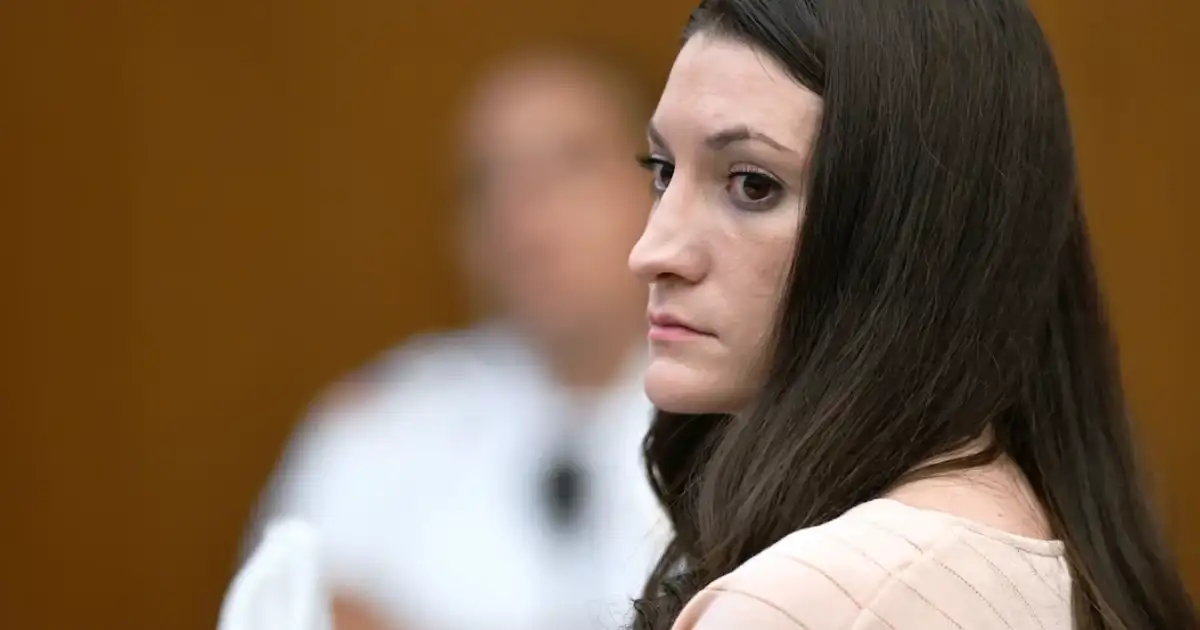

The Horror of Lindsay Clancy’s Psychiatric Ward: A System Broken or Just Miserably Failing?
Behind cold steel doors, Lindsay Clancy’s mind is fractured by trauma and illness, her future hanging in the balance. Her case exposes a society that treats mental illness as both a mercy and a punishment.
The Stark Reality of Her Current Mental Prison
Clancy, who murdered her three children in early 2023, is confined within a high-security psychiatric facility. Recent reports reveal she’s under constant surveillance: medicated, evaluated, and monitored by forensic mental health specialists. This isn’t a hospital ward; it’s a fortress designed to contain the dangerously mentally ill.

This setup highlights a disturbing truth: the system meant to heal often ends up imprisoning. Clancy’s case shows how mental health care can become punitive containment rather than compassionate treatment.
The Facts That Keep Her Behind Bars
- After her arrest in January 2023, she was transferred to a secure psychiatric facility.
- She remains there, undergoing assessments and medication management.
- Her legal team emphasizes her postpartum psychosis diagnosis — a severe mental health crisis after childbirth.
- The facility uses medication, therapy, and group sessions under forensic oversight.
- She has access to private therapy rooms, with her condition periodically reassessed.
Her life revolves around mental health reviews, medication adjustments, and the hope she might someday be released. That hope depends on her doctors’ judgment of her stability.
Why Is This Still Happening?
The debate isn’t whether Clancy is mentally ill — it’s how the system manages her. Some defend her prolonged confinement; others argue she needs treatment, not punishment. The real question: does her incarceration serve justice or perpetuate a broken system?
Supporters see postpartum psychosis as a brain disorder that can cause women to lose touch with reality. They claim her confinement is vital for recovery and safety. But critics ask: is she held because of her illness or because of her crimes? Are we rehabilitating her or simply warehousing a woman whose mind snapped under pressure? No one knows if she’ll ever be “cured” or stable enough for release.
The Treatment or Torture? Inside the Psychiatric Fortress
The facility is state-of-the-art, equipped for severe postpartum psychosis cases. She has access to private therapy, regular evaluations, and medication. But what does that mean? Experts warn postpartum psychosis carries a high relapse risk without meticulous, long-term monitoring. The approach is standard: medication, therapy, reviews. Yet, this balance is fragile—one misstep can cause chaos.
Her mental health isn’t static; it’s volatile. Some signs of stabilization exist, but recovery remains uncertain. Her condition is a delicate peace constantly threatened by unpredictability.
The Public’s Perspective: Compassion or Justice?
This debate hits a nerve. Mental health advocates argue for compassion, insisting Clancy’s confinement is necessary, not punitive. They see postpartum psychosis as a brain illness, not a crime, and believe her treatment should focus on healing.
Victims’ groups, however, demand justice. They question whether psychiatric confinement alone suffices, arguing her crimes are too horrific for mere treatment. They wonder if the system is delaying accountability behind pills and protocols.
The harsh truth: America’s mental health system often leans toward containment rather than cure. Funding is inconsistent, and treatment varies. We cling to hope for her recovery, but certainty remains elusive.
Recent Developments: The Next Chapter
In the past 48 hours, Clancy’s legal team filed a motion for continued psychiatric treatment, citing her ongoing mental health needs. Court hearings are scheduled to assess her status. Some suggest outpatient treatment if she improves, but relapse is common in postpartum psychosis. Her future remains uncertain.
Psychiatrists reaffirm her diagnosis, warning that without vigilant management, relapse is almost inevitable. Her recovery could take months or years—if it happens at all.
System Failures or Just Bad Luck?
This case exposes flaws in mental health and justice systems. We lock her away, medicate her, and hope. But do we truly understand her? Do we want to?
She was pushed to the edge by her own mind, reflecting a society that often fails to prevent such tragedies. We imprison her in a mental cage, ignoring the root causes of her breakdown.
Will she ever be free? Or is this her new life—a lifetime behind steel bars of mental confinement, a victim of a system more interested in containment than cure?
The Verdict: A System That Fails Us All
Clancy’s case reveals a brutal truth: America’s approach to mental health is a toxic mix of misplaced compassion and indifference. We want to believe in rehabilitation but settle for containment. We claim mental illness is treatable, yet women like Clancy are often locked away for years, their futures uncertain.
This isn’t justice; it’s a systemic failure. If we continue this way, tragedies like Lindsay Clancy’s will become more common—victims of a society unwilling to confront its own shortcomings.
What Comes Next?
Her future depends on ongoing evaluations. If she stabilizes, she might walk free someday. But experts warn relapse remains a constant threat—postpartum psychosis can resurface unexpectedly.
How many women like Lindsay are out there, suffering silently, teetering on the edge? How many are locked in psychiatric prisons, their lives dictated by doctors and courts rather than justice?
Final Shot: The System’s Choice
We face a stark decision: fix our broken mental health system or keep hiding the truth behind locked doors. Lindsay Clancy’s case is a window into a society that dehumanizes women in crisis, treating mental illness as a punishment and trapping victims in a hellish limbo.
She’s not just a woman in a psych ward—she’s a symbol of a society that refuses to face its failures. Do we believe we’re done with her? Or are we waiting for the next tragedy?
One thing’s clear: ignoring the cracks in our mental health system guarantees that Lindsay’s nightmare will become America’s nightmare—a scar that lingers long after the doors close.
Source: Google News