
Controversy Erupts in Maine as River Laundry Sparks Cultural and Environmental Clash
A simple act of washing clothes in the Kennebec River has ignited a fierce debate over tradition, law, and environmental protection in Maine. When a man was filmed doing laundry in public waters, it quickly became a flashpoint for broader community tensions.
The Facts Are Clear: Laundry in Maine River Sparks Outrage
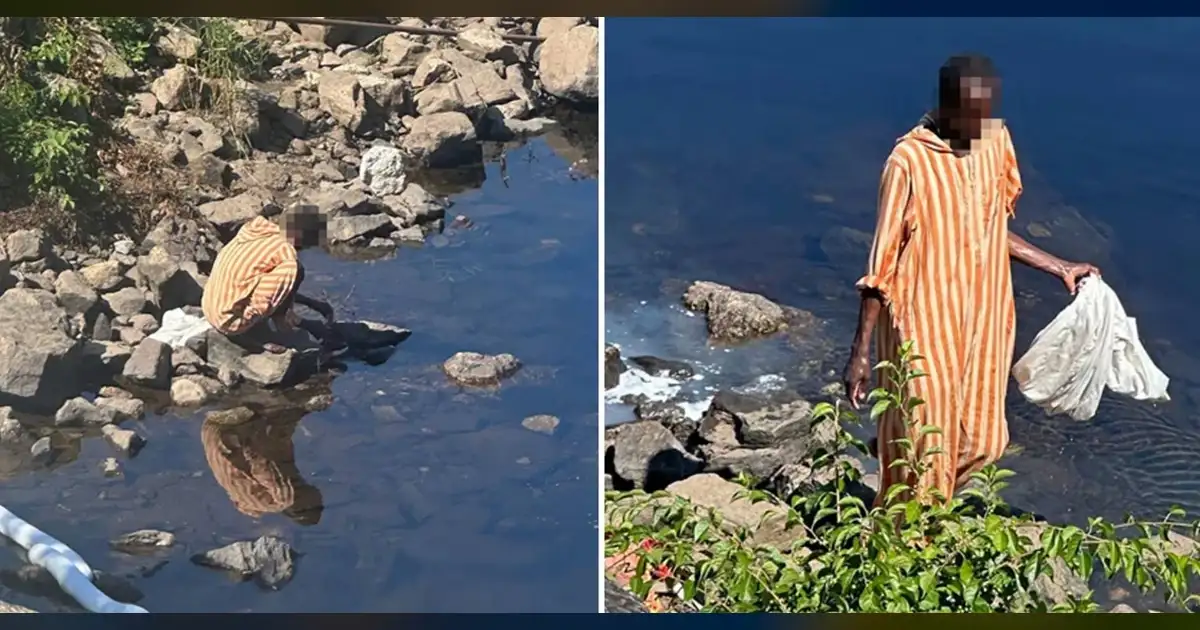
On August 18, residents of Augusta captured footage of an unidentified man, believed to be of African descent, washing clothes in the Kennebec River. The video shows him using detergent near the shoreline. The clip spread rapidly across social media and local forums, sparking outrage.

The Maine Department of Environmental Protection (DEP) responded on August 19, stating that washing clothes with chemicals in public waters without permits is illegal and harmful. An investigation into water quality and site conditions is underway, with results expected next week.
This incident exposes more than pollution. It highlights a clash of cultures and laws. Some locals see the act as reckless disrespect for Maine’s pristine rivers. Others argue it reflects traditional practices from the man’s homeland, where washing in natural water sources is common. The key question: should cultural habits override environmental laws?
Environmental Damage or Cultural Misstep?
Maine’s rivers support Atlantic salmon, brook trout, and freshwater mussels. Detergents, especially those with phosphates, can cause algae blooms and oxygen loss—endangering ecosystems. Repeated laundry in stressed waterways can cause long-term ecological harm.
Experts warn that routine laundry in these waters accelerates pollution, especially amid climate change, runoff, and urban development. Even small acts, if repeated, threaten to push Maine’s waters into ecological collapse.
Organizations like Maine Rivers and the Atlantic Salmon Federation report that nutrient runoff from detergents can increase nutrient levels by up to 30%, fueling algae blooms and dead zones. This isn’t just local; it’s a national ecological crisis waiting to happen in Maine’s fragile waters.
Cultural Clash or Community Breakdown?
Augusta’s demographic has shifted, with immigrant populations growing by about 15% in recent years. Many newcomers maintain cultural practices like washing clothes in natural water sources—practices rooted in resourcefulness.
Local residents like Mark Jensen, 52, see it differently. “It’s about respecting our environment. If someone is washing in the river, they need to understand the damage,” he says.
Rosa Delgado, an advocate for immigrants, emphasizes education: “We must recognize these traditions but also inform newcomers about Maine’s laws and the importance of protecting our environment.”
This isn’t a simple “tradition versus regulation” issue. It’s about integrating diverse communities without harming ecological integrity. Will Maine find a way to respect culture while enforcing laws? Or does this incident reveal a deeper disconnect that needs urgent attention?
Who Wins and Who Loses in This Crossfire?
Environmental advocates argue that Maine’s waters—over 90% meeting quality standards—are a shared treasure worth protecting. They see this incident as a sign of cultural insensitivity or ignorance about the law. Rules are rules, and pollution must be controlled to preserve the state’s natural legacy.
Local residents, feeling their environment is under threat, see this as a wake-up call. They worry that disrespect for laws could fracture community trust. Enforcement is essential, but so is education.
The man involved may face legal consequences, but the real issue is whether newcomers are sufficiently informed about Maine’s strict water regulations. Are authorities doing enough to bridge this knowledge gap?
Recent water tests confirm DEP concerns—chemical runoff from laundry could harm aquatic life. Community meetings are planned to promote understanding, but whether these efforts will lead to meaningful change remains uncertain.
The Data and the Broader Context
Maine’s rivers are among the nation’s best, with over 90% meeting water quality standards. Yet, nutrient pollution from detergents can raise nutrient levels by up to 30%, causing algae blooms and hypoxia—conditions that threaten aquatic ecosystems. This incident highlights the urgent need for community awareness and enforcement.
The immigrant population’s 15% growth over the last decade reflects Maine’s changing identity. While community programs aim to foster integration, incidents like this expose gaps in environmental education. Are authorities doing enough to ensure newcomers understand Maine’s laws?
Historically, pollution in Maine has stemmed from industry and agriculture. Small acts like laundry may seem minor, but they represent new challenges in pollution control that require vigilance. Ignoring these risks could turn Maine’s rivers into dead zones.
Why This Matters: A Reflection on Maine’s Future
This incident serves as a wake-up call. Cultural diversity enriches Maine, but it also tests the community’s resilience. To survive climate change, urban growth, and demographic shifts, everyone must follow shared environmental standards.
Protecting natural resources isn’t just about laws; it’s about mutual respect—for nature, laws, and each other. Is Maine ready to bridge this divide, or will misunderstandings turn its rivers into pollution battlegrounds?
Could this controversy lead to better education, inclusive community efforts, and stronger enforcement? Or will it deepen divides and become another environmental crisis?
Final Thoughts: The True Cost of Cultural Misunderstanding
The man washing clothes in the Kennebec symbolizes more than tradition—he reflects the challenge of balancing cultural practices with environmental responsibility. While outrage is understandable, so is the need for understanding and education.
Environmental laws exist to protect waters, ecosystems, and communities. Ignoring them risks turning Maine’s rivers into toxic wastelands. The real question: who is willing to adapt to preserve Maine’s natural heritage?
This isn’t about race or tradition; it’s about ecosystems and community survival. Will Maine’s leaders step up to bridge the divide, or will its rivers become battlegrounds for cultural conflicts disguised as environmental crises?
Source: Google News