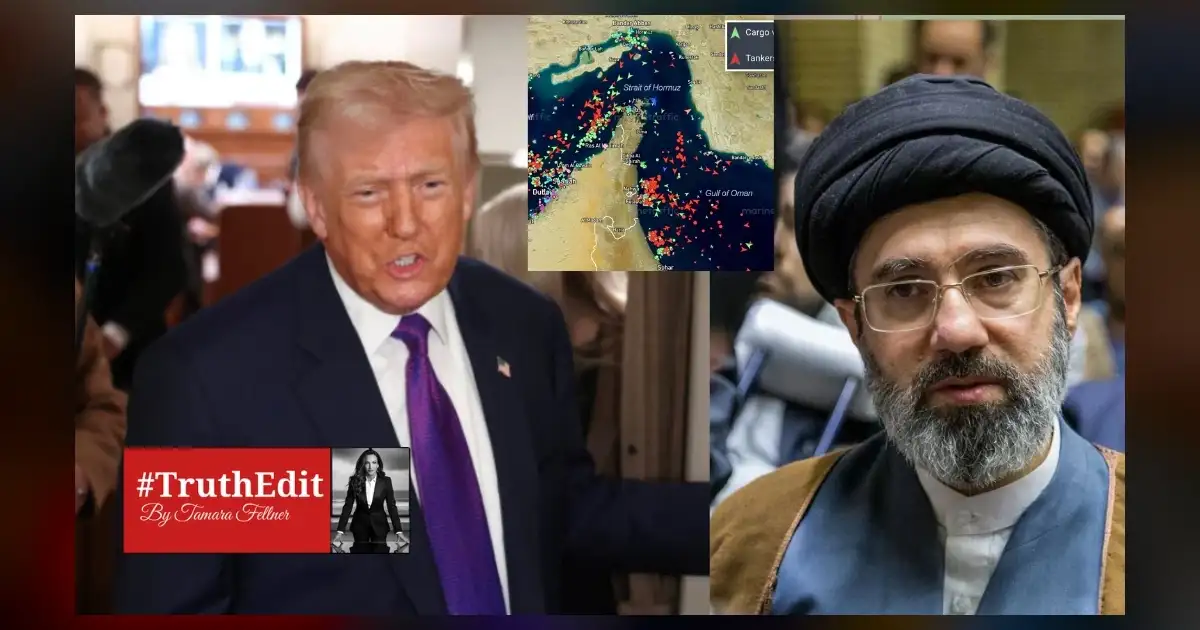

In a move that surprised precisely no one tracking the escalating tensions, Tehran has once again delivered a diplomatic slap in the face to Washington, slamming the door on new peace talks with the United States. This outright rejection comes despite President Donald Trump’s characteristically blunt warnings about targeting Iran’s power infrastructure, further fueling a geopolitical fire that shows no signs of abating. The grim march of the US-Iran War 2026 continues, seemingly unhindered by any genuine desire for de-escalation from either side.
The Diplomatic Charade Unravels, Again
On April 15, 2026, Tehran reportedly refused to even consider a framework for a second round of regional security talks. These proposed discussions, quietly encouraged by Washington, aimed to calm the increasingly volatile maritime tensions in the Persian Gulf and foster much-needed de-escalation measures. The initiative, diplomatic sources confirm, sought to bring together Gulf Cooperation Council states, Iraq, and Iran for a broader regional dialogue – a dialogue that now appears dead on arrival.

Iran’s foreign ministry, while not explicitly confirming the “second round” rejection, made its position unequivocally clear: the lifting of all US sanctions is a non-negotiable prerequisite for any meaningful engagement. Tehran, with a predictable air of defiance, accused regional and international actors of “lack of good faith,” a charge that rings hollow to many observers given Iran’s consistent stonewalling. This isn’t merely a breakdown in negotiations; it’s a calculated, public repudiation that signals a deeper, ongoing struggle where sanctions remain Iran’s primary grievance and a seemingly insurmountable barrier to peace.
To suggest this rejection is anything but a deliberate act of defiance would be naive. It shatters any illusion of imminent de-escalation and underscores the deeply entrenched positions of both nations. The rhetoric surrounding these “peace talks” often feels like a performance, a carefully choreographed dance for international consumption rather than a genuine pursuit of resolution. The real question isn’t whether Iran will come to the table, but under what terms – and those terms, for now, remain irreconcilable.
Trump’s Playbook: Maximum Pressure, Minimum Diplomacy
President Trump’s administration operates from a clear, unyielding stance, firmly rooted in its “America First” doctrine. For many of Washington’s hawkish allies, Iran only responds to overwhelming strength, and this latest rejection seemingly validates that hardline approach. The President himself has never been one to mince words, having previously warned he would “knock out” Tehran’s power plants – a chilling threat that inevitably casts a long shadow over any diplomatic overtures, hardening Iran’s resolve rather than softening it.
This cycle of threats and counter-threats is painfully familiar to anyone who has tracked Washington’s Middle East policy for the past decade. The Trump White House championed “maximum pressure” during its previous term, and it appears that strategy, with all its inherent risks, is once again firmly on the table. Any perceived softness from the US is immediately interpreted as weakness, an invitation for further Iranian intransigence. This is a game of high-stakes poker, where both sides believe they hold the winning hand.
The ongoing US-Iran War 2026, which dramatically commenced on February 28, 2026, with military strikes by the US and Israel, serves as a perilous backdrop to all these diplomatic machinations. The Strait of Hormuz, a crucial choke point for global oil shipments, remains a flashpoint, with repeated incidents involving both Iranian and US naval forces. This kinetic conflict, far from being a distant concern, directly influences the temperature of any potential talks, making genuine de-escalation an increasingly remote prospect. The drumbeat of war echoes louder than any call for peace.
Who Profits from the Perpetual Stalemate?
Let’s be brutally honest: this endless back-and-forth, this perpetual state of brinkmanship, serves very specific, powerful interests. It is not, for a moment, about securing lasting peace for the average American or Iranian citizen. It is, unequivocally, about power, influence, and staggering profit.
The military-industrial complex, a shadowy behemoth that thrives on global instability, is perhaps the clearest beneficiary. Ongoing conflict, or even the credible threat of it, translates directly into more defense contracts, increased military spending, and fatter bottom lines for corporations like Lockheed Martin and Raytheon. Taxpayers, blissfully unaware or simply resigned, continue to foot the astronomical bill for this perpetual state of tension, diverting trillions from pressing domestic needs.
Consider the energy markets, a volatile arena where instability in the Middle East is a golden ticket. Every flare-up, every rejected peace talk, every threatened power plant drives up oil prices. This enriches not only the colossal oil companies but also the legions of speculative traders who profit handsomely from global uncertainty. They thrive on the very chaos that destabilizes nations and impoverishes ordinary people.
And then there are the politicians. A hardline stance against Iran plays exceptionally well with certain electoral bases, allowing leaders to project an image of strength and unwavering resolve. Rallying support around national security fears is a time-honored, incredibly effective election-cycle tool. The public reaction online, though often cynical, hits close to the bone. One viral post, widely circulated across platforms like X (formerly Twitter), quipped, “Iran ‘rejects’ talks like I reject kale—scripted for headlines, designed to keep the pot boiling.” This sentiment, while harsh, exposes a profound truth: the performance often matters more than the substance, with rhetoric designed to fuel outrage and distract from the deeper, systemic issues at play.
The Staggering Cost to the Taxpayer and Everyday Life
This diplomatic failure is not an abstract concept; it carries devastatingly real consequences. American taxpayers are already bankrolling the US-Iran War 2026, a conflict whose true financial burden is still being tallied. Military operations, from enhanced naval patrols in the Persian Gulf to intelligence gathering and potential strike capabilities, are astronomically expensive. These funds are not merely spent; they are diverted from critical domestic needs, from the very fabric of American society.
Every dollar poured into missiles, drones, and heightened alert levels is a dollar not invested in crumbling infrastructure, not allocated to a struggling healthcare system, not spent on underfunded education initiatives. This is the hidden, insidious cost of endless brinkmanship, a national opportunity cost that will haunt generations.
For ordinary Iranians, the situation is even more dire. The crushing weight of US sanctions has crippled their economy, making everyday life a relentless struggle. Access to essential medicines, food, and basic goods is severely impacted, leading to widespread suffering. When Tehran accuses international actors of “lack of good faith,” that accusation resonates deeply with a populace that bears the brunt of these geopolitical games. They are the silent victims, caught between the hammer of international pressure and the anvil of their own government’s defiance.
This relentless cycle of threats and rejections will, predictably, continue. It will keep the region unstable, the war machine humming, and certain powerful pockets filled. The “maximum pressure” strategy, far from bringing Iran to the negotiating table on US terms, has only hardened their resolve, pushing them further into isolation and entrenching their anti-Western stance. This outcome was not just predictable; it was, for many seasoned observers, inevitable.
Washington’s policymakers, particularly those who champion this hardline approach, must look in the mirror. Their current strategy is not merely failing; it is actively exacerbating the conflict, costing lives, draining national treasure, and serving only the select few who profit from perpetual conflict. The rejection of talks is not an isolated incident; it is merely another scene, another act in a tired, predictable play where the script rarely changes, and the ending, for the common man, is always the same.
The real question is not if talks will eventually resume, but when the political establishment, both in Washington and Tehran, will finally drop the charade. When will they prioritize actual, tangible peace and the well-being of their citizens over political gain, ideological purity, and the insatiable appetite of financial interests? The answer, for now, remains a chilling silence.
Source: Google News