
President Donald Trump didn’t just issue a warning this week; he drew a line in the sand with Iran, declaring unequivocally: “They can’t blackmail us.” This isn’t mere political bluster; it’s a direct, confrontational challenge hurled across a volatile Strait of Hormuz, where the fuse is already lit.
The stakes here are monumental, far exceeding any championship game. The U.S. Navy has confirmed a heart-stopping near-miss in that critical chokepoint. A U.S. guided-missile destroyer, the USS Arleigh Burke, was forced into a desperate, hard swerve to avoid a collision, a maneuver that speaks volumes about the razor-thin margin for error.

The Play-by-Play in Hormuz: A Dangerous Game of Chicken
This tense, high-seas encounter unfolded on April 16, 2026. An Iranian Revolutionary Guard Corps (IRGC) fast-attack craft executed what U.S. Central Command (CENTCOM) bluntly termed “unprofessional and unsafe” maneuvers. This wasn’t some accidental drift; it was a deliberate, aggressive probe designed to test the limits and provoke a reaction.
The incident occurred squarely in international waters, a stark reminder that Iran’s provocations disregard established maritime law. While no shots were fired, the palpable risk of a full-blown clash skyrocketed in those tense moments. Unsurprisingly, Iranian state media—responding on April 15, 2026, a day before the Pentagon’s confirmation—spun their patrols as “routine” and vehemently condemned U.S. “provocative maneuvers,” a classic deflection play.
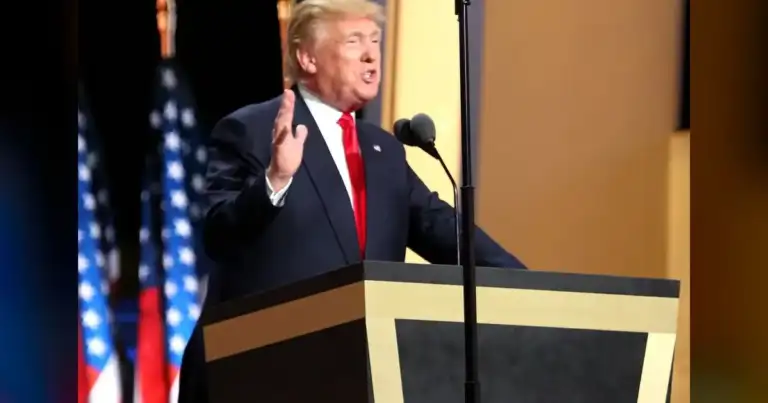
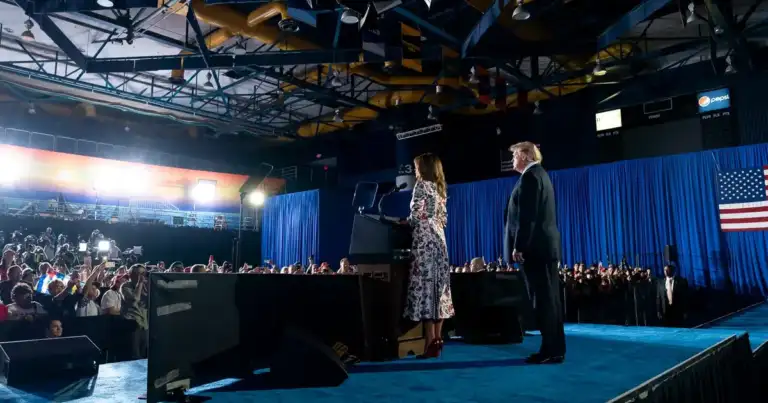
Just a day later, on April 17, 2026, President Trump seized the moment at a rally in Scranton, Pennsylvania. His declaration, “Not on my watch, and not on America’s watch,” wasn’t just campaign rhetoric; it was a direct response landing hard amidst an ongoing armed conflict between the U.S. and Iran, a conflict that has been actively simmering since February 28, 2026. This isn’t a theoretical threat; it’s a live wire.
Is the Threat Level Higher? The Scoreboard Doesn’t Lie
Is this merely political theater, designed for domestic consumption, or is the Strait of Hormuz genuinely a hotter, more perilous zone? The tactical data is unequivocal. This crisis transcends mere bluster; it’s a calculated escalation with tangible consequences.
- The U.S. Navy’s Fifth Fleet has documented a disturbing 15% increase in “unsafe and unprofessional” Iranian interactions. This isn’t a statistical anomaly; it’s a pattern of deliberate aggression, just in the first quarter of 2026 alone.
- Iran isn’t just talking tough; they’ve systematically beefed up their naval strength. Their expanded fleet of fast-attack craft and drones are not for show; they are purpose-built for close-quarters, asymmetric warfare in the narrow, congested Strait, designed to overwhelm larger vessels.
- Beyond direct confrontations, the shadow game continues. Iranian-backed Houthi rebels are relentlessly attacking international shipping, turning the Red Sea and Gulf of Aden into dangerous waters. Their actions reveal a broader, coordinated strategy to destabilize critical maritime routes, indirectly ratcheting up the pressure and the ante in Hormuz.
- The relentless economic pressures on Iran—crippling sanctions and stubbornly low oil prices—directly fuel their aggressive stance. They are desperate for leverage, and creating chaos in the Strait is their go-to play to force concessions.
Let’s be clear: this isn’t some abstract political talking point debated in Washington D.C. or Tehran. The tactical situation on the ground, or more accurately, on the water, has demonstrably intensified. The threat isn’t just tangible; it’s an immediate, looming danger.
Who’s Scoring Points, Who’s Getting Sacked?
In this high-stakes geopolitical game, every action has a reaction, and some players inevitably come out ahead while others take a brutal hit. It’s a classic power play, with real-world consequences that ripple across the globe.
Hardliners within Iran are undoubtedly celebrating this “tough guy” posturing. It allows them to project an image of unwavering resolve against America, galvanizing domestic support and reinforcing their authority. For them, every provocative maneuver is a propaganda touchdown, a win for their narrative of resistance.
For President Trump’s political base, his strong, decisive words resonate deeply. It powerfully reinforces his carefully cultivated image as a fearless leader, unafraid to confront adversaries head-on. This unwavering stance energizes his supporters, painting him as the only one capable of standing up to such threats.
Defense contractors, too, see a significant upside. Increased tension invariably leads to louder calls for more military spending, more hardware, and more deployments. For them, geopolitical instability translates directly into increased profits, a lucrative, if grim, business model.
But make no mistake, many are getting sacked. Global oil markets are taking a brutal hit. Approximately 21 million barrels of oil per day—a staggering one-fifth of the world’s daily consumption—flows through this narrow Strait. Any disruption, any perceived threat, sends prices soaring. Brent crude futures, for instance, jumped a significant 0.8% to $88.50 a barrel almost immediately after news of this latest incident broke. How long before these spikes translate into pain at the pump for everyday citizens?
Regional stability isn’t just tackled; it’s obliterated. Escalation dramatically increases the risk of an accidental conflict spiraling out of control, potentially igniting the entire Middle East. In such an environment, any semblance of diplomacy between the U.S. and Iran becomes not just difficult, but nearly impossible, leaving a dangerous vacuum.
The Unseen Benchwarmers: Bearing the Brunt
While leaders posture and play their high-stakes game, it’s the unseen benchwarmers who often bear the heaviest brunt. International shipping companies and their crews are on the absolute front lines, navigating these treacherous waters. They face skyrocketing insurance costs, disrupted routes, and the constant, gnawing fear of being caught in the crossfire.
Their urgent pleas for calm and de-escalation are consistently ignored, drowned out by the drums of confrontation. Regional allies like Saudi Arabia and the UAE also find themselves in an increasingly precarious position. They face direct threats to their vital oil infrastructure and shipping lanes, yet their calls for stability and measured responses are often sidelined by the grandstanding of larger powers.
The public reaction online, as always, is a veritable “dumpster fire of cynicism.” Social media users are quick to label it “warmonger theater,” mocking Trump’s “impotent bluster” and viewing the entire spectacle as “escalation porn for MAGA dopamine hits.” This widespread distrust highlights a deep cynicism about the motives behind such confrontations.
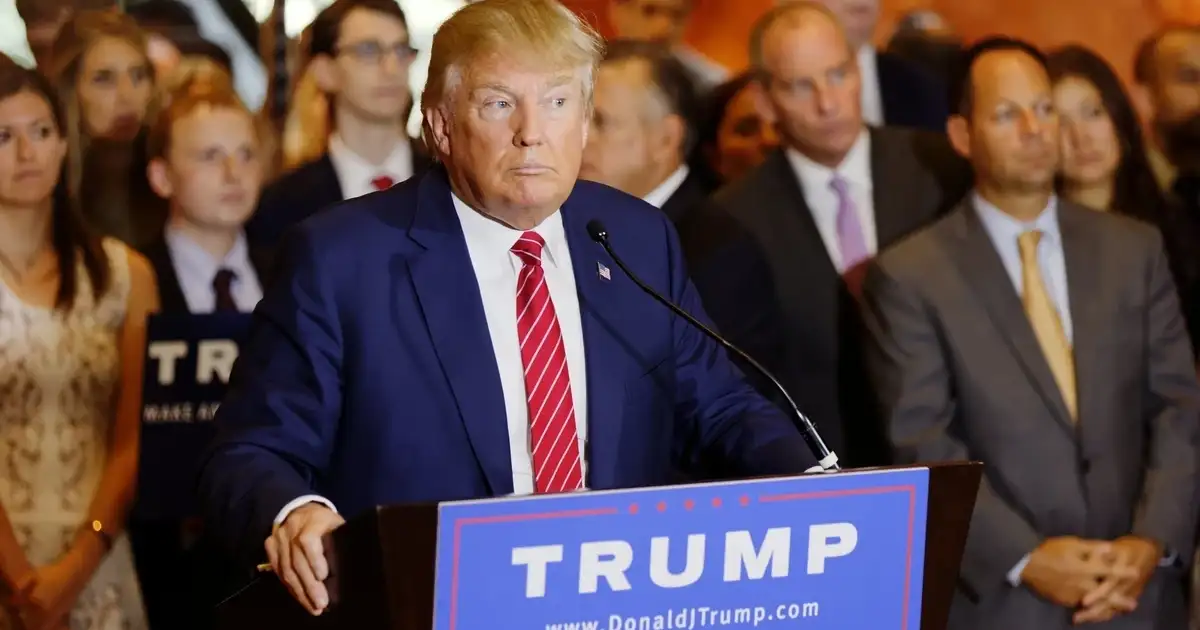
President Donald Trump stated: “They think they can blackmail us, but they can’t. Not on my watch, and not on America’s watch. We will protect our interests, and we will protect our allies. Let that be perfectly clear.”
A U.S. Central Command Spokesperson confirmed: “The Iranian vessel’s maneuvers were unprofessional and unsafe, creating a dangerous situation that required the USS Arleigh Burke to take immediate evasive action. Such reckless actions dramatically increase the risk of miscalculation and potential, devastating conflict.”
An unnamed Iranian State Media Source declared: “Our naval forces are conducting routine patrols to ensure the security of our borders and the Persian Gulf. We will not tolerate provocative maneuvers by foreign forces in our sovereign waters, nor will we back down from defending our nation’s interests.”
The True Cost of This Game Plan
For everyday Americans, this crisis isn’t just a distant headline; it hits hard, directly impacting their wallets. Higher gas prices are an immediate, undeniable consequence. This ripple effect then extends to everything from groceries to utility bills, as rising energy costs relentlessly drive inflation across the board.
Beyond the financial strain, there’s the ever-present, terrifying risk of war. An accidental clash in the Strait could easily spiral out of control, dragging the U.S. into a broader conflict. This isn’t just about abstract geopolitics; it impacts international trade, travel safety, and the very stability of a region whose economic health is inextricably tied to global prosperity.
History, tragically, shows this playbook isn’t new. Tensions in Hormuz have flared for decades, a recurring nightmare. The 1980s Iran-Iraq War saw relentless tanker attacks. The previous Trump administration had its own share of incidents, including Iran’s seizure of tankers and the downing of a U.S. drone in 2019. The current situation doesn’t just echo these past confrontations; it feels like a dangerous, high-stakes replay, with the potential for even greater catastrophe.
Gus’s Final Play Call: This Is No Scrimmage
So, is all this just talk, a theatrical display for a domestic audience? Absolutely not. While the political rhetoric roars, the physical reality in the Strait of Hormuz is undeniably escalating. The U.S. and Iran are not merely posturing; they are engaged in an active, dangerous conflict, and this vital waterway has become a critical, volatile battleground.
The alarming increase in incidents, Iran’s relentless naval buildup, and the relentless regional proxy attacks paint a clear, grim picture. This isn’t just a scrimmage; it’s a dangerous, high-stakes game where one wrong move could trigger a devastating war. And the world, holding its breath, is already paying the price.
Source: Google News