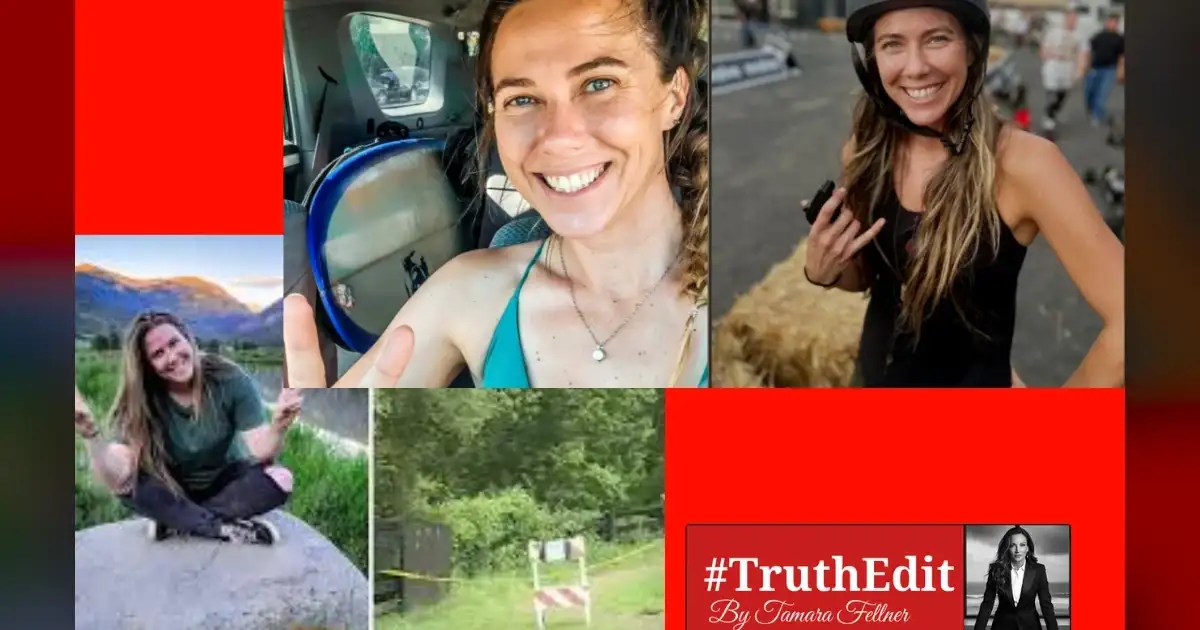

Forget grisly murder in the rugged wilds of Big Sur; the real killer, it turns out, was a colony of ants. Yes, you read that right.
The horrifying “choking marks” on hiker Joanna Shields, which set the internet ablaze and ignited a frenzy of true-crime speculation, have been officially downgraded from foul play to… insect activity. If you’re not laughing, you’re not paying attention.
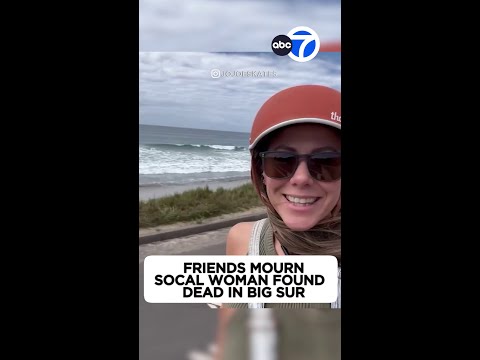
The internet, predictably, has torched everyone involved, and rightly so. What began as a chilling wilderness whodunit, primed for true-crime podcasts and Netflix specials, has devolved into a farce so spectacular it borders on performance art. The public’s savage mockery isn’t just reasonable; it’s the only sane response to this absolute charade.
The “Solution” That Broke the Internet
Joanna Shields’ corpse was discovered in the breathtaking, yet often unforgiving, landscape of Big Sur. Initial reports, stoked by breathless witnesses and local media outlets, screamed foul play.
Hikers, apparently with an uncanny eye for forensic detail, breathlessly described “choking marks” on her neck. The narrative was instantly set: a wilderness thriller, a murder most foul, a predator lurking in the shadows of California’s iconic coastline.
Local outlets, most notably KSBW, amplified this hysteria with gusto, painting a picture of an “atrocious” scene. The public, ever hungry for a dark mystery, devoured it whole. Hashtags trended, armchair detectives sharpened their keyboards, and Big Sur was suddenly cast as the backdrop for a grisly, unsolved crime.
Then, the Monterey County Sheriff’s Office, after days of mounting suspense, dropped the bomb. After all the drama, the “marks” were “possibly ants.” Not definitively ants, mind you, but “possibly ants.” The death, they cautiously added, remains “suspicious” pending toxicology results. “Suspicious,” but also, you know, maybe just ants. This wasn’t a letdown; it was a face-plant into a pile of ridiculousness.
When True Crime Goes Full Clown Show
The backlash was immediate, brutal, and utterly deserved. Reddit’s r/UnresolvedMysteries and r/TrueCrime threads exploded with a collective groan of disbelief and a torrent of savage wit. Users didn’t just call it an “overhyped media circus”; they called it a clown show, a national embarrassment, and showing the sheer idiocy that can infect even serious investigations. And frankly, they weren’t wrong.
“Did the ants strangle her?” one user quipped, perfectly encapsulating the absurdity. Another joked about “Big Sur’s new serial killer: insects!” The internet, in its infinite wisdom, had found its new favorite meme. One particularly cynical user even suggested a “companion dude ditched her post-river fall, ants framed for foul play.” This isn’t just gallows humor; it’s a scathing indictment of how easily a sensationalized narrative can unravel into pure comedy.
This is precisely what happens when every detail is sensationalized, every whisper treated as gospel, and every unexplained death immediately branded as the next season of Making a Murderer. The public gets invested, emotionally and intellectually, in a story, only for authorities to pull the rug out with an explanation so laughable it borders on the surreal.
“Sometimes things aren’t what they appear.”
That quote from the sheriff doesn’t just reek of damage control; it’s a full-blown apology for the viral panic and misdirection they helped create. It’s an attempt to wave away the collective embarrassment, but the public saw through it instantly. We’re not stupid. We know when we’re being fed a line.
Armchair CSIs and the Thirst for the Macabre
The internet, in its even-handed cruelty, also took aim at the “armchair CSI” hikers whose initial, unverified claims fueled much of the early hysteria. They stand accused of transforming “pale skin and bugs into murder porn,” a harsh but undeniably accurate assessment of our collective appetite for the gruesome. This isn’t just a fair point; it’s a necessary one.
Not every unexplained death is a grizzly murder. Sometimes, it’s just nature, stark and indifferent. As one commenter demanded, “stop treating every OD as Bigfoot slaying.” This hits the nail on the head. There’s an undeniable hunger for dark mysteries, especially when they unfold in picturesque, seemingly idyllic places like Big Sur. The “coastal elite thirst for ‘wilderness thriller'” is real, a psychological void filled while boring toxicology reports are pending.
Even the cynical mention of friends’ GoFundMe “glow-ups” speaks volumes about the pervasive distrust. The “no public threat” disclaimers, trotted out after the initial frenzy, feel less like genuine reassurances and more like a scripted PR move. It’s all about managing the story, controlling the narrative, rather than simply reporting unvarnished facts.
The Real Takeaway: Don’t Cry Ant
This entire saga is a masterclass in how not to handle a public investigation, a cautionary tale for anyone in authority or media. The initial vague statements, combined with an insatiable media hype cycle, created a monster of speculation. Then, the “solution” didn’t just kill the monster; it turned it into a punchline.
The authorities look foolish, their credibility dented. The media looks desperate for clicks, their integrity compromised. The only clear winners were the internet’s meme lords, who got endless material for their savage wit. We, the public, demand clear, concise information, not dramatic speculation. We need facts, not sensationalized guesses disguised as breaking news. This episode proves, beyond a shadow of a doubt, that the public can spot the difference. And they will call you out, mercilessly, when you fail.
So, what’s the real takeaway from the Big Sur Ant-Gate? It’s not just about a botched investigation or click-hungry media. It’s about us.
Our insatiable appetite for the macabre, our readiness to believe the worst, and our collective groan when reality dares to be mundane. Maybe the biggest mystery isn’t what happened to Joanna Shields, but why we’re so desperate for monsters when sometimes, it’s just nature, and a whole lot of very small, very busy insects.
Perhaps, just perhaps, the next time the wilderness whispers murder, we should all wait for the toxicology report before we crown the ants as serial killers.
Source: Google News