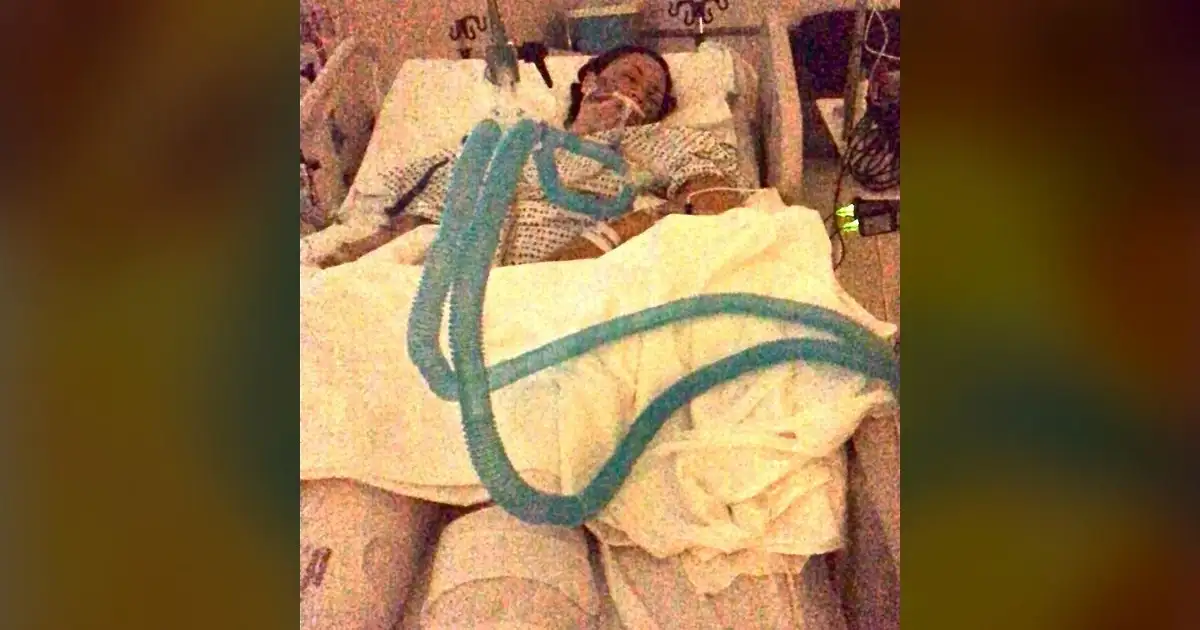

Forget your usual anxieties about climate change or economic collapse. The real terror? A Texas man, a survivor of a rat virus, just told us his brain felt like it was melting. This isn’t just a grim anecdote; it’s the chilling prelude to a fresh wave of panic, courtesy of an outbreak from a disaster cruise that’s now spreading like wildfire.
His graphic description isn’t just fueling public alarm; it’s detonating a collective anxiety attack. A creeping, deadly illness birthed on a luxury liner? This isn’t news; it’s prime nightmare fuel, custom-made for our perpetually on-edge culture.

The Horror Unveiled: Brain-Melting Symptoms
The unnamed survivor’s account isn’t just grim; it’s a modern horror flick playing out in real time. He battled symptoms so grotesque, he genuinely believed his mind was dissolving. That visceral detail – his brain melting – doesn’t just stick with you; it burrows deep, infecting your own sense of security.
Let’s be clear: this isn’t some seasonal sniffle. Hantavirus, that insidious rodent-borne killer, boasts a grim fatality rate, often soaring to a terrifying 30-40%. The public isn’t just worried; they’re right to be utterly terrified. This isn’t hyperbole; it’s a cold, hard statistic.
Panic isn’t just a ‘natural response’ here; it’s the only rational one. Especially when a mysterious, brain-melting illness is inextricably tied to a disaster cruise. These gilded, floating cities aren’t just vacation spots; they’re potential petri dishes, primed for viral catastrophe when the veneer of luxury inevitably cracks.
Social Media Feeds on Fear
The internet, that insatiable beast, didn’t just devour this story; it gorged itself. Social media platforms are now a digital inferno, ablaze with wild speculation and the darkest gallows humor imaginable. This isn’t news anymore; it’s the latest grim reality show, playing out in real-time, starring all of us.
On Reddit, threads are not just exploding; they’re a feverish hive of cynicism. Users aren’t merely worried; they’re convinced there’s a darker machination at play. Whispers of elaborate insurance scams for these beleaguered cruise lines are not just present; they’re rampant, echoing through every comment section.
One viral post, dripping with a particularly bleak humor, perfectly encapsulated this sentiment:
“I’d rather be mainlining Carnival Cruise margaritas than mainlining Hanta.”
It’s a dark joke, yes, but it’s more than that. It’s a chilling symptom of the deep skepticism now infecting the public psyche, a grim laugh in the face of perceived institutional failure.
Meanwhile, X, formerly Twitter, has predictably transformed into a sarcasm slaughterhouse. #HantaCruise isn’t just trending; it’s a grotesque gallery of disturbing memes. Picture it: Mickey Mouse, iconic symbol of manufactured joy, now clad in a hazmat suit, under the caption:
“Disney’s next ride: Rat Lung Apocalypse.”
This isn’t just humor; it’s a cultural exorcism, twisting corporate symbols into harbingers of dread.
This, then, is the modern ritual: how society processes trauma in the digital age. It doesn’t just turn fear into content; it weaponizes it, transforming shared dread into a perverse form of entertainment. It finds gallows humor in the face of existential threats. It’s twisted, undeniably effective, and utterly exhausting.
The Cynical Age of Outbreaks
This isn’t merely about a rat virus, grotesque as it is. This is about the prevailing cultural malaise: a world that not only expects the worst but actively anticipates it, a world that instinctively distrusts official narratives, and one that sees conspiracies lurking in every shadow, under every rock.
It’s a landscape where influencers like @CynicalSciGuy, with his formidable 2M followers, don’t just ‘tear into the details’; they dissect them with surgical precision, questioning every official pronouncement. They scrutinize the timing, pick apart the ‘dramatic’ symptom descriptions, and fearlessly call out what they label ‘panic porn.’ And their audience, starved for alternative perspectives, devours every word.
The public is beyond tired; they’re jaded, scarred by the perceived betrayals of past health crises. This isn’t just leading to ‘backlash’; it’s a full-blown revolt against established institutions. Rants about the CDC “slowpokes” aren’t just common; they’re a rallying cry. People aren’t politely asking for accountability; they’re demanding it, with the fury of the disillusioned.
In this vacuum of trust, the theories multiply with a virulence that outpaces the virus itself. Some whisper of clandestine bioweapon tests. Others darkly suggest immigrant smuggling gone viral. And then there are the whispers of an “elite vacay gone wrong,” a delicious irony for the cynical masses.
These wild theories aren’t just baseless speculation; they are a raw, unfiltered reflection of a deep-seated anxiety festering beneath the surface. They betray a public desperate for any answers, and tragically, often willing to believe anything but the simple, horrifying truth.
The Red Marker Angle: Distrust Is the Real Disease
Here’s the uncomfortable, unvarnished truth: the rat virus is undeniably terrifying. But the widespread public distrust? That, my friends, is arguably more dangerous. It’s a societal sickness, an insidious pathogen that metastasizes through every crisis, rendering solutions impossible.
People don’t just ‘leap’ to cynical conclusions; they plunge into them, assuming malice, projecting hidden agendas onto every official statement. This isn’t healthy skepticism; it’s a crippling, self-inflicted paranoia that blinds us to genuine threats.
This immediate, reflexive jump to “insurance scams” or “psyops” reveals a profound, alarming breakdown in collective reason. They don’t just refuse to accept simple, horrifying facts; they actively recoil from them, preferring to invent complex, self-serving fictions that reinforce their preconceived notions of a corrupt world.
This, then, is the ultimate price: real problems become impossible to solve. When every truth is seen as a lie, society doesn’t just fracture; it atomizes. The brain-melting symptoms of the virus are undeniably awful, a grotesque physical torment. But the melting of public trust? That, my friends, is a far more insidious, civilization-threatening disease.
What’s Next for the Cruise Industry?
This outbreak isn’t just a setback; it threatens to cripple the already beleaguered cruise industry even further. Seriously, who in their right mind wants to book a ‘luxury’ trip on a potential floating biohazard? The optics aren’t just terrible; they’re a death knell for consumer confidence.
Expect the inevitable public health scramble, the frantic damage control, and the endless investigations. But also, brace yourselves: the online frenzy will not only continue but intensify. This story isn’t just ‘sensational’; it’s a cultural touchstone, too grotesque and too compelling to ever truly ignore.
The real question, the existential one, isn’t simply how to contain this vile virus. It’s how to contain the runaway panic. More profoundly, how do you even begin to rebuild trust when the public is not just skeptical, but utterly convinced that everyone in power is lying?
This Texas rat virus saga continues to unfold, but remember this: the true epidemic isn’t just a pathogen. It’s the corrosive acid of cynicism, the deep-seated conviction that every official pronouncement is a lie, and every new horror is just another act in a grand, rigged show. Until that changes, we’re all just waiting for the next brain-melting headline, collectively rolling our eyes into oblivion.
Source: Google News