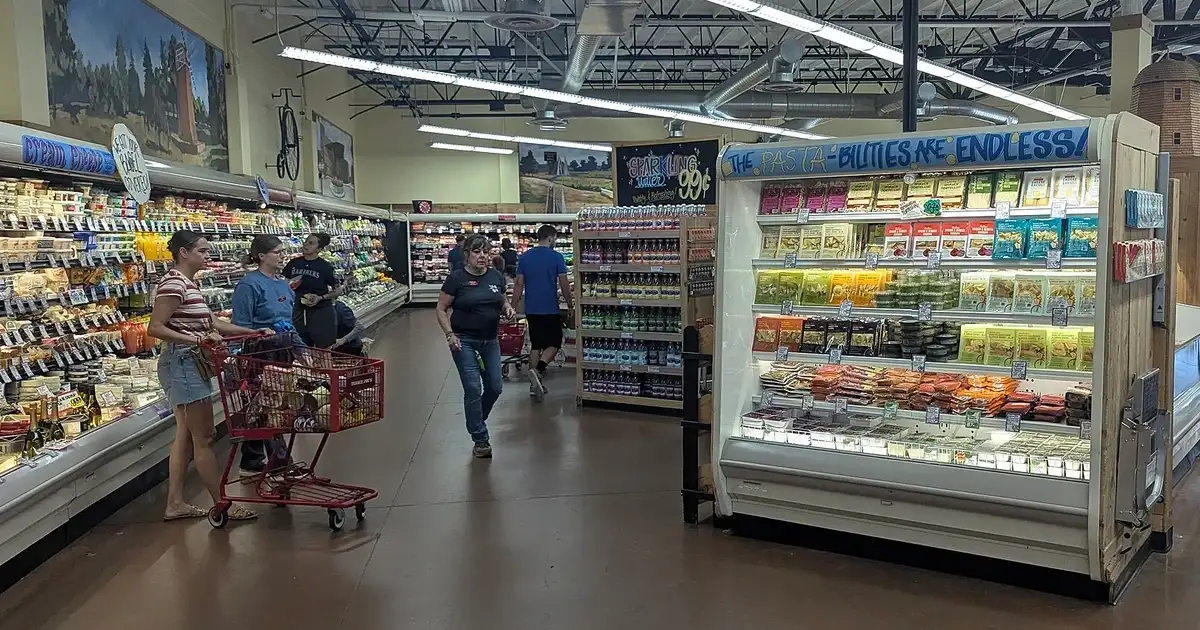

Stop guessing. The numbers are in, and they confirm what every financially savvy individual already suspects: Trader Joe’s isn’t just cheaper than Target for everyday grocery items – it dominates. The difference isn’t a trickle; it’s a solid 15-25% cheaper for the same basket of goods, a fact that should make any ambitious earner sit up and take notice.
This isn’t just about saving a few bucks. It’s about maximizing your hard-earned cash in a brutal economy where inflation relentlessly squeezes every budget.

Every dollar you keep in your pocket is a dollar you can invest, save, or spend on experiences that truly matter. Knowing where to shop isn’t a chore; it’s a strategic move that fundamentally changes your financial game.
The Undeniable Price Tag Breakdown
Recently, consumer advocates conducted a head-to-head showdown, pitting Trader Joe’s against Target. They armed themselves with an identical list of 15-20 common grocery items and hit both stores. The results were not merely clear; they were a decisive victory for Trader Joe’s, sweeping nearly every category with impressive margins.
- Dairy: Organic milk, eggs, and various cheeses were consistently 10-18% cheaper at Trader Joe’s. That’s real money on staples you buy every week.
- Produce: Basic fruits and vegetables like bananas, avocados, and bagged salads simply cost less there. Why pay more for the same quality?
- Pantry Staples: Trader Joe’s house brands for pasta, olive oil, and canned goods showed an undeniable price advantage. Their private label strategy isn’t just about uniqueness; it’s about value.
- Specialty Items: Their famous frozen meals and unique snacks were almost always more affordable. Target’s alternatives just couldn’t compete on price per serving, often falling short on flavor too.
Target’s attempts at “dupes” often fell flat. Their version of Trader Joe’s Everything But The Bagel Seasoning was not only pricier but often less potent.
The frozen Mandarin Orange Chicken dupe also commanded a higher price tag without matching the original’s cult following. Target’s Good & Gather coffee and some organic produce did manage to hold their own, offering competitive pricing in those specific niches.
Is the Extra Trip a Financial Imperative?
This is the real question for any ambitious earner. You’re busy. Your time is valuable. Does driving to a second store actually make financial sense? For the astute shopper, the answer isn’t just yes; it’s a financial imperative.
Consider the math. A 15-25% saving on a typical $100 grocery bill means you pocket an extra $15-$25. Even with today’s fluctuating gas prices, a few extra miles won’t eat into those savings. Especially if you strategically combine errands, the cost of gas becomes negligible. You’re not just saving money; you’re earning it back by being smart.
Your time value is personal, but for families or anyone with a larger grocery haul, these savings multiply rapidly. A big weekly shop can easily save you $30-$50 or more. That’s a significant chunk of change that can go towards your investments, a child’s college fund, or simply a well-deserved treat. This isn’t about pinching pennies; it’s about reclaiming serious cash that you work hard for.
The “worth” also hinges on what you buy. If you specifically crave Trader Joe’s unique items or certain organic staples, the trip is non-negotiable.
Target simply doesn’t offer them at the same price point, if at all. Trader Joe’s doesn’t do online ordering or delivery, meaning an in-store trip is often your only option for their best deals and exclusive products. You have to show up to win.
Trader Joe’s (general sentiment): “Our unwavering focus remains on providing unique, high-quality products at great everyday prices. Our private label strategy is the cornerstone of our success, allowing us to cut out unnecessary middlemen, control costs, and pass those significant savings directly to our customers. It’s how we deliver unmatched value.”
Target’s Uphill Battle in the Grocery Aisle
Target is an undisputed retail giant, offering everything from clothes to electronics. But in the highly competitive grocery aisle, they face a formidable fight against specialized value grocers like Trader Joe’s. Their strategy, which often blends national brands with their own store brands, inevitably drives up the overall basket cost compared to Trader Joe’s private-label-only approach. It’s a different business model, and it shows up at the register.
Retail analysts, including those at NielsenIQ and Circana, are closely monitoring this trend. The surging success of private labels, exemplified by Trader Joe’s, unequivocally demonstrates how today’s consumers prioritize value.
Reports consistently confirm that store brand sales are outpacing national brands, forcing traditional retailers to adapt. Target needs to sharpen its grocery pricing strategy, perhaps by expanding its Good & Gather line even further. Simultaneously, it must emphasize the unparalleled convenience and comprehensive retail offering that is its true strength.
Target (general sentiment): “We are continually evaluating our pricing and assortment across all categories, particularly within our rapidly growing Good & Gather and Favorite Day brands. Our commitment is to ensure we are offering compelling value and quality to our guests, alongside the unparalleled convenience of our full retail offering, including Drive Up and Same-Day Delivery options.”
Your Smart Shopping Playbook: Win Every Week
You simply cannot blindly shop at one store and expect the best deals. Trader Joe’s dominates on price for most staples and unique specialty items.
Target might offer better deals on specific sales or bulk items, especially if you leverage their Circle app and RedCard discounts. But for the everyday grocery list, TJ’s is the reigning champion, hands down.
Stop leaving money on the table. Plan your trips. Hit Trader Joe’s for your core groceries, unique finds, and those organic staples where they consistently beat the competition.
Then, if absolutely necessary, grab a few specific items at Target – perhaps using their convenient Drive Up service for non-grocery essentials. This hybrid strategy isn’t a “no-shit, Sherlock” observation; it’s a fundamental shift in how you manage your household budget.
It’s how you take control, maximize your resources, and ultimately, how you get ahead.
Source: Google News