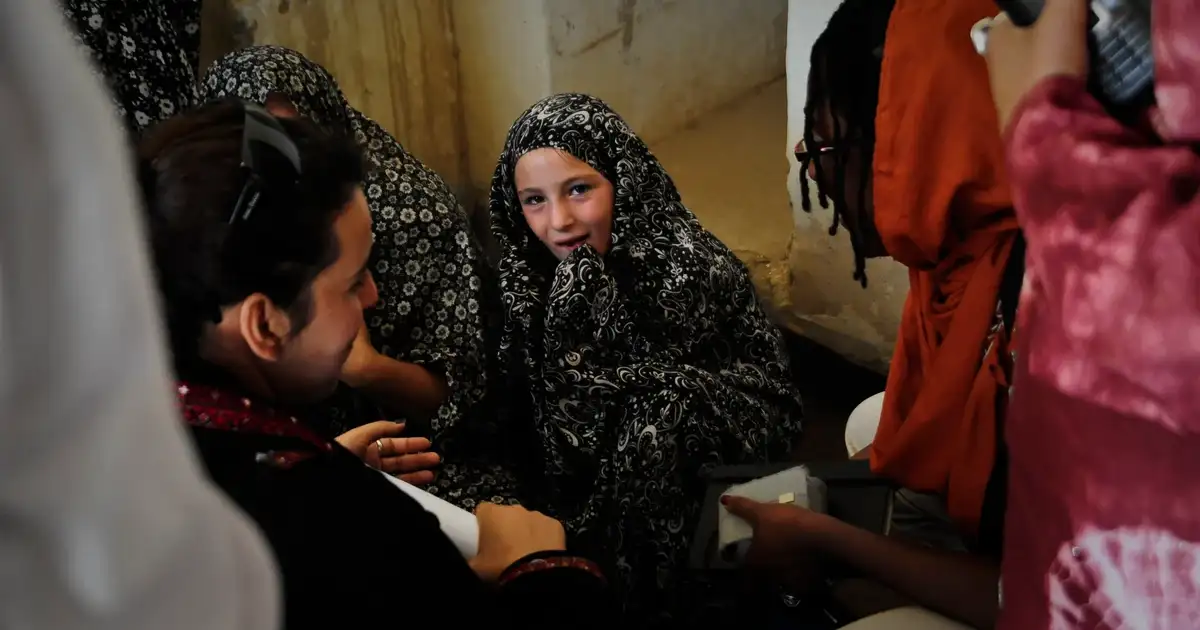

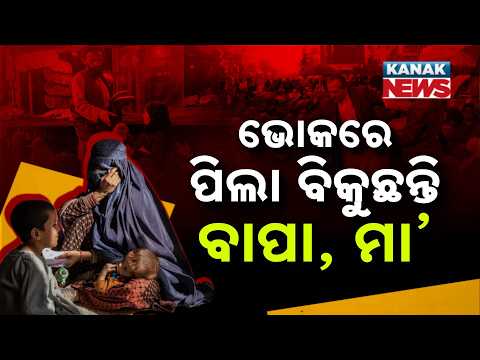
Imagine the unthinkable: an Afghan father, his children’s bellies hollow with hunger, contemplates selling his seven-year-old daughter into marriage for a few sacks of food. This isn’t a dark historical anecdote; it is the grim, unvarnished reality of Afghanistan in May 2026, a stark, daily choice faced by millions.
It’s a chilling echo of an escalating, ongoing trend, where the most vulnerable pay the ultimate price. Recent reports from the World Food Programme and UNICEF don’t just warn of a crisis; they confirm a catastrophe unfolding in slow motion.
Afghanistan’s Starvation Economy: A Public Health Emergency
This isn’t just a humanitarian tragedy; it’s a full-blown public health emergency, painstakingly documented by every aid organization still brave enough to operate on the ground. When 15.3 million Afghans — over a third of the population — are teetering on the edge of acute food insecurity, the consequences cascade far beyond simple malnutrition. Extreme hunger doesn’t just starve the body; it starves hope, strips dignity, and forces families into desperate measures that perpetuate cycles of disease and despair.
The “bride price” for a girl as young as seven or eight can be a few hundred dollars, or an equivalent in livestock or food. For a family on the brink, that sum isn’t a dowry; it’s a survival mechanism, a morbid lottery ticket that might keep the remaining children alive for a few more months.
But for the child sold, it’s a death sentence to childhood, health, and any semblance of a future. How can we call ourselves a civilized world when a child’s worth is measured in flour sacks?
The health implications are brutal and well-understood. These girls are thrust into premature pregnancies their underdeveloped bodies cannot handle, leading to horrific rates of maternal mortality and obstetric fistulas – a debilitating childbirth injury.
They also face chronic health issues, increased vulnerability to sexually transmitted infections, and profound psychological trauma. Education, autonomy, and basic human rights are extinguished the moment the transaction is made.
This isn’t just about cultural practices; it’s about starvation weaponizing tradition. It creates a preventable public health disaster on a national scale, tearing at the very fabric of society.
The Aftermath of Abandonment: Who Profits from the Suffering?
The current crisis didn’t just appear overnight. It’s the direct, brutal consequence of the August 2021 Taliban takeover, which triggered an immediate freeze of Afghan assets and a precipitous halt in international development aid.
Couple that with successive droughts and earthquakes, and you have a devastating confluence for economic collapse. The international community’s response, while filled with empty rhetoric of concern, has been largely inconsistent and shamefully insufficient.
The UN’s 2026 Humanitarian Response Plan for Afghanistan, seeking billions to avert this very catastrophe, remains dangerously underfunded. The data is unequivocal: when aid dries up, suffering escalates, and children become commodities.
We speak of human rights, yet stand by as a nation is starved into submission. What does that say about our values?
The hidden headline here isn’t just “father sells daughter.” It’s that the global financial system, political paralysis, and selective morality created the conditions for a father to sell his daughter.
The “why” is clear: economic strangulation. The “what happens next” is more children sold, more lives destroyed, and a generation scarred by trauma and disease.
All this unfolds while the world debates the nuances of engagement with the de facto authorities. This isn’t abstract policy; it’s the blood on our hands.
Humanitarian aid, particularly food and cash assistance, isn’t charity in this context; it is preventive public health medicine. It directly mitigates the drivers of child marriage, starvation, and the ensuing health catastrophes. When that aid is withheld or hampered by political maneuvering, the international community isn’t just failing to help; it’s actively allowing a public health crisis to deepen, knowing full well the devastating human cost. As one aid worker grimly put it:
“When aid dries up, suffering escalates, and children become commodities.”
A Crisis of Will: The International Betrayal
Let’s cut the polite garbage. The international community, with its endless committees and declarations of “deep concern,” knows exactly what’s happening in Afghanistan.
They know that every dollar withheld, every aid shipment delayed, every diplomatic quibble, directly translates into more seven-year-old girls being sold into sexual slavery and forced childbirth. The hypocrisy is unconscionable.
We preach human rights, yet allow entire populations to be starved into medieval practices. This happens because of political posturing and the refusal to engage pragmatically.
The real power play here isn’t about saving children; it’s about maintaining a fragile, convenient distance. The suffering of millions becomes a manageable externality.
Billions are spent on geopolitical chess games, on conflicts far less urgent. Yet, when it comes to preventing children from being sold for a meal, the coffers are suddenly empty.
Bureaucratic hurdles become insurmountable. This isn’t a crisis of resources; it’s a crisis of will, where political convenience trumps basic human decency.
How much longer will we allow this silent genocide to unfold before our very eyes?
Photo: Wikimedia Commons (query: Afghan father)
Source: Google News