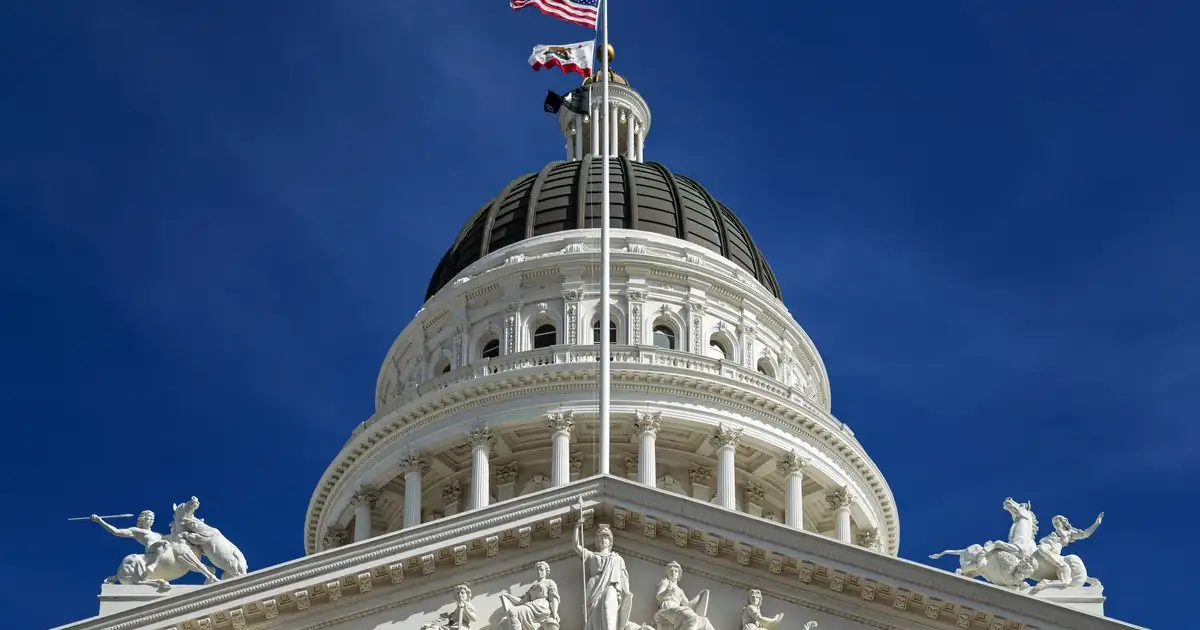

California, the nation’s electoral behemoth, is under federal siege. The Feds aren’t just blowing a whistle; they’ve thrown a full-game penalty flag on the entire system, announcing multiple election-fraud investigations and revealing “serious structural vulnerabilities.” This isn’t just a routine inspection; it’s a full-on federal audit of the biggest state in the union, and it signals a seismic shift in the political landscape.
U.S. Attorney General Merrick Garland and FBI Director Christopher Wray didn’t just drop a bombshell on June 3, 2026; they detonated it. They confirmed multiple probes into “credible allegations of irregularities” across the Golden State, a state that often boasts about its progressive electoral practices. We’re talking about everything from suspect voter registration issues and aggressive ballot harvesting claims to glaring cybersecurity weaknesses. This isn’t a drill, folks; this is the real deal.

Sources inside the DOJ confirm at least three active investigations are underway, each digging into the integrity of California’s ballot box. Garland, in his usual measured tone, promised to protect election integrity, while Wray stressed these are proactive moves, not yet definitive proof of widespread fraud.
But let’s be blunt: when the federal government sends its top brass to shine a spotlight on a state’s electoral process, it’s far more than a pre-game warm-up. It’s a clear indication that the system has fundamental flaws that demand immediate attention.
California’s Election Playbook: A Defensive Breakdown?
The “structural vulnerabilities” aren’t some minor infraction that can be brushed aside with a five-yard penalty. Federal officials are describing critical holes in the state’s electoral defense, wounds that could compromise the entire game. These aren’t just paper cuts; they are gaping, systemic failures that invite exploitation.
- Outdated Voter Rolls: Imagine a football roster still listing players who retired a decade ago. That’s precisely what’s happening with California’s voter registration lists. If these rolls aren’t meticulously cleaned and updated, they become a wide-open door for bad actors to cast illegitimate votes, eroding the very foundation of fair elections.
- Mail-in Ballot Chain of Custody: California has gone all-in on mail-in ballots, with over 90% of votes in recent elections cast this way. Yet, the tracking from ballot sent to ballot counted is, in many places, alarmingly sloppy. This isn’t just a minor oversight; it’s like leaving the football unguarded on the field, inviting anyone to pick it up and run with it. The lack of a secure, transparent chain of custody is a fundamental breakdown in trust.
- Cybersecurity Gaps: With 58 counties, California’s digital defenses are only as strong as their weakest link. A damning 2024 report revealed that 17 counties had not fully secured their election systems. This isn’t just a vulnerability; it’s a wide-open back door for hackers, both foreign and domestic, to tamper with results and sow chaos. It’s an invitation for digital interference.
- Ballot Harvesting Practices: Legalized in California in 2016, this practice allows third parties to collect and submit ballots on behalf of others. While technically legal, it’s a massive red flag for federal investigators. It raises profound questions about potential coercion, undue influence, or outright tampering. Can we truly ensure every vote collected this way is cast freely and fairly?
- Lack of Standardized Audits: There’s no uniform, statewide system for checking results after an election. Without consistent, robust post-election audits and verifiable paper trails, how can anyone—voters, candidates, or officials—truly verify the final score? It’s like playing a game without a reliable scoreboard or official replay system.
These aren’t abstract, theoretical problems. These are real, tangible cracks in the foundation of California’s electoral process. It’s like a defensive line with a known, exploitable weakness; sooner or later, someone’s going to exploit it, and the feds are here to make sure it doesn’t happen on their watch.
The Impact on Your Vote: Is the Game Rigged?
The burning question for every Californian isn’t complicated: Will my vote actually count? When the federal government talks about “serious structural vulnerabilities,” they’re not just discussing bureaucratic minutiae. They are questioning whether the game is rigged before it even starts. This isn’t abstract political theory; it’s about the very core of our democracy, the sanctity of individual participation.
“The Department of Justice is committed to ensuring that every eligible vote is counted fairly and accurately. These investigations demonstrate our unwavering dedication to protecting the integrity of our electoral process, free from partisan influence.”
— U.S. Attorney General Merrick Garland, June 3, 2026
Garland frames it as a quest for fairness. Wray speaks of mitigating threats from both foreign adversaries and domestic actors. But the cold, hard reality is this: when the system itself is riddled with holes, it almost doesn’t matter who’s trying to exploit it. The game is already compromised. The damage is done before the first ballot is cast.
California boasts a staggering 22 million registered voters. That’s a massive playing field, a democratic colossus. The cost of a statewide election can easily hit $100 million. With that kind of money, that many citizens, and that much public trust on the line, you’d expect an ironclad operation, a flawless execution. But clearly, the feds see more than just a few loose threads; they see critical unraveling.
Political Battleground: Who Wins, Who Loses?
This federal intervention instantly transforms California into a political battleground. Republicans are practically doing an end-zone dance, shouting “I told you so!” from the rooftops. They’ve championed stricter voter ID laws and vociferously called for an end to ballot harvesting for years. This federal spotlight isn’t just validation; it’s a powerful weapon in their ongoing fight for electoral reform.
“For too long, legitimate concerns about California’s election integrity have been dismissed as partisan rhetoric. This federal announcement unequivocally proves that these issues are real, deeply serious, and demand immediate, comprehensive attention. We are confident these investigations will lead to much-needed, fundamental reforms that restore faith in our elections.”
— California Republican Party Chair
Democrats, predictably, are wary, if not outright hostile. They fear this could be weaponized to suppress voter turnout, particularly among minority groups. They worry about federal overreach, seeing it as an attack on voter access. But here’s the tactical truth: you can’t champion voter access without simultaneously guaranteeing ironclad security. The two are not mutually exclusive; they are inextricably linked.
“California has some of the most robust and accessible election laws in the nation, designed to empower every eligible voter. We welcome federal partnership in continually improving our systems and ensuring that every voter has absolute confidence in our elections. We are fully cooperating with the Department of Justice and the FBI, as transparency and integrity are paramount.”
— California Secretary of State
The Secretary of State is playing defense, welcoming the “partnership” while simultaneously attempting to defend the existing system. It’s a precarious position. You can’t admit weakness without fueling the political fire, yet you can’t ignore the feds when they’re knocking on your door with a search warrant. This is a high-stakes poker game, and the Secretary is trying to bluff with a weak hand.
The Cynical Take: More Than Just Counting Ballots
Let’s strip away the pleasantries and get real. This isn’t merely about counting votes accurately. This is about raw power. When the Feds step into a state as politically and demographically significant as California, it sends an unmistakable, chilling message. It’s a calculated, strategic move that will undoubtedly shake up the political landscape, not just for the upcoming 2026 midterms, but for every election cycle that follows.
The “structural vulnerabilities” aren’t some sudden revelation. They’ve been debated, dismissed, and defended for years. But now, with the full weight of federal investigations behind them, the stakes have skyrocketed. This intervention could force California to fundamentally alter its election rules, potentially setting a precedent for other states grappling with similar issues. It’s a power play, a strategic maneuver in a high-stakes game where the future of American democracy hangs in the balance.
Whether these investigations ultimately uncover widespread, deliberate fraud or merely highlight systemic, negligent flaws, the narrative is already set. Public trust, already fragile, is now squarely on the line. And in politics, trust isn’t just a commodity; it’s everything.
This is a power play, plain and simple, and every politician in California just felt the heat intensify. The fundamental question we must now ask isn’t just if the votes were counted correctly, but who ultimately benefits when the federal referees decide to check the score now, rather than waiting for the final whistle.
Photo: Dietmar Rabich
Source: Google News