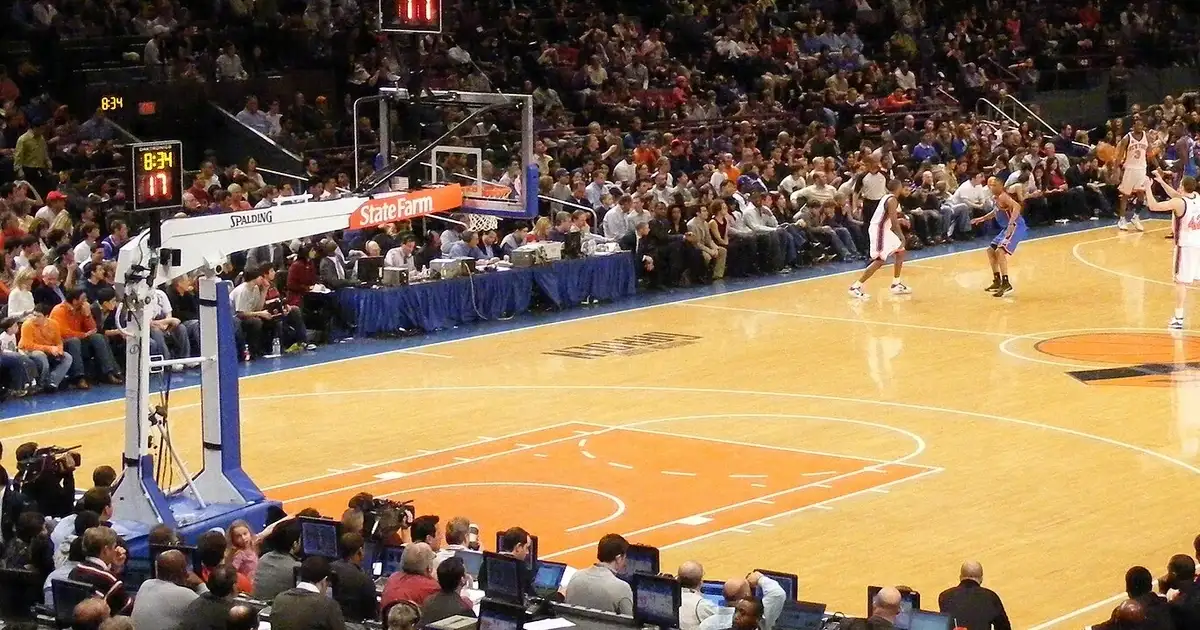

Remember that electric buzz, that surge of hope, when New York City finally gets what it craves? For Knicks fans, that moment arrived with Council Member Mamdani’s promise of a “historic” outdoor watch party for Game 4 of the NBA Finals.
The city was ready to explode in an orange-and-blue celebration. But in classic NYC fashion, what started as a digital dream quickly devolved into a bureaucratic nightmare, leaving thousands of fans utterly bewildered.

What began as a genuine spark of community spirit quickly crashed and burned, becoming a textbook example of how not to communicate in the digital age. Mamdani’s office, eager to champion public access, launched an enthusiastic announcement across every official city channel.
Sounded amazing, right? Except, not so fast: Madison Square Garden (MSG) Entertainment Corp., the Knicks’ owner, almost immediately doused the flames, citing vague “practical hurdles.”
The real gut punch came next: MSG reportedly warned news outlets the NYPD was ready to shut down any unofficial gathering.
Suddenly, the digital landscape wasn’t just confusing; it was a total information warzone. One minute, a city council member gave the green light; the next, the team’s parent company slammed on the brakes.
The NYPD remained conspicuously silent, letting the entire city stew in uncertainty. For New Yorkers who live by their smartphones, this wasn’t just annoying – it was infuriating.
Thousands were left scrambling, desperate to know if they should brave Midtown traffic or watch from their couches.
When Digital Promises Meet Bureaucratic Reality
Seriously, in 2026, with all its gleaming tech and “smart city” ambitions, you’d expect New York to have its digital act together for an NBA Finals watch party. Yet, this entire debacle screams the opposite.
The real issue isn’t a shortage of technology; it’s a catastrophic lack of cohesion. Every city agency operates in its own silo, with archaic approval processes and self-serving priorities.
A council member can float a brilliant idea, but if it hasn’t been meticulously vetted by the NYPD and DOT, it’s not a plan. It’s just digital static, destined to fade into nothing.
This city, despite its global status, fundamentally lacks a unified digital platform for public event permits and real-time, cross-agency notifications. It’s like trying to run a Formula 1 race with everyone driving different cars on different tracks.
Initial political enthusiasm, like Mamdani’s, consistently outruns the practical, safety-first considerations of critical departments like the NYPD. This isn’t merely a communication breakdown; it’s a profound, systemic failure.
The result? Public confusion, wasted effort, and a city that looks surprisingly amateurish.
The Social Media Echo Chamber
Social media, naturally, didn’t just amplify this chaos; it became the arena where public hopes were built up, then brutally dashed. Initially, hashtags like #KnicksWatchParty exploded with pure excitement.
But as conflicting reports flooded in, that digital sentiment curdled instantly. Fans went from deliriously hopeful to absolutely furious, their frustration encapsulated by one viral post:
First Mamdani says yes, then MSG says no, now NYPD is silent. What am I supposed to do? Took off work for this! This is why we can’t have nice things in NYC. #KnicksWatchParty #Confused
https://x.com/NYCKnicksFan23/status/1800204856789127890
The Mayor’s Office, City Council, MSG, NYPD – every entity has its own X account, website, and PR machine, all pushing their own narrative. When these disparate channels aren’t singing from the same hymn sheet, the public gets digital whiplash.
This isn’t merely about missing a game-day experience; it’s about systematically eroding public trust in official information. It’s a dangerous game to play with citizens who need to believe their city can deliver.
Let’s be brutally honest: this isn’t just a “lack of coordination” or a simple oversight. This is a naked power play, a battle over turf.
Every agency and political office fiercely guards its own digital kingdom and narrative. A unified communication system would demand ceding control, forcing transparency, and eliminating grandstanding.
Nobody wants to give up their slice of that powerful pie, even if it leaves thousands of fans utterly betrayed. The real “party pooper” isn’t just the NYPD; it’s the antiquated, fragmented digital bureaucracy itself.
New York stubbornly refuses to fix this system because it suits too many powerful players just fine. The fans, as always, are merely collateral damage in this endless bureaucratic game.
Until that changes, prepare for more digital dreams to become real-world disappointments.
Source: Google News