
New York City isn’t just facing a structural engineering problem; it’s staring down a public health catastrophe. The city’s iconic, now tragically flawed, Nexus Tower is sagging, and its inevitable demolition promises to unleash a torrent of physical and psychological harm across Midtown Manhattan.
This isn’t hyperbole. The 70-story skyscraper, a once-proud fixture at 42nd Street and Vanderbilt Avenue, is fundamentally unsound.

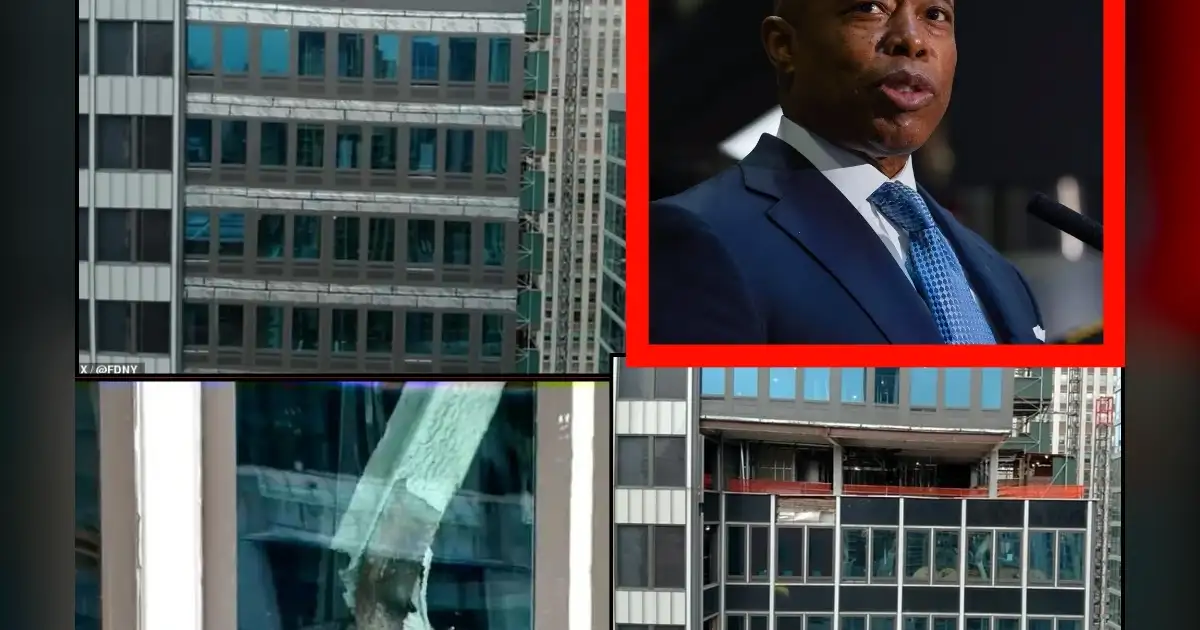
Engineers have confirmed irreversible failure in its core columns. On July 5th, the building’s visible slump triggered an immediate, frantic evacuation of thousands.
The very next day, July 6th, Mayor Eric Adams and DOB Commissioner Anya Sharma delivered the grim verdict: demolition is the only path forward. But here’s the terrifying twist: the building could collapse at any moment during stabilization or demolition efforts.
This isn’t just a construction project; it’s a high-stakes gamble with human lives.
The Invisible Enemy: Demolition Dust and Disease
Our immediate instinct might be to fear falling debris, but the real danger lurks in the air itself. Demolishing a modern skyscraper, particularly one under immense structural stress, will inevitably unleash a toxic cloud.
We’re not talking about a little dust; we’re talking about vast quantities of airborne particulates and hazardous materials that will blanket the surrounding area.
- Asbestos and lead are almost guaranteed to be present in older construction elements, lying dormant until disturbed.
- Silica dust, a known lung irritant and carcinogen, will be rampant from the pulverization of concrete and masonry.
- And let’s not forget the “novel high-strength concrete mix” touted during Nexus Tower’s construction. What unknown chemicals or compounds could this experimental material release when shattered into dust? We simply don’t know, and that’s a terrifying prospect.
These airborne particulates aren’t just an inconvenience; they pose severe, immediate, and long-term health risks.
Acute respiratory illnesses, dramatically worsened asthma for those already suffering, and the potential for chronic conditions like silicosis or even cancer from prolonged exposure are all on the table.
Residents, office workers, and critically, the emergency personnel working in the vicinity, face a profound health threat. This isn’t just a cough or a sniffle; it’s a potential lung crisis for thousands, a silent epidemic waiting to unfold.
“Our teams are on the ground, assessing the needs of displaced families and establishing mental health support centers. We are also preparing for potential air quality issues during demolition and will provide clear guidance to residents in the extended zone on protective measures.”
— Dr. Lena Rodriguez, Public Health Director, NYC Department of Health (July 7th)
The Silent Epidemic: Trauma and Mental Health
Beyond the physical dangers, this catastrophe is a ticking mental health bomb.
Thousands of people were ripped from their homes and businesses in an instant. Their sense of normalcy, their routines, their very security, have been shattered.
The constant, looming threat of a collapsing tower, or the daily grind of a dangerous demolition, isn’t just news; it’s pure psychological torture for those living in its shadow.
This event will undoubtedly trigger widespread anxiety, depression, and for many, debilitating post-traumatic stress disorder (PTSD).
Imagine losing your safe haven, your livelihood, your entire sense of stability overnight. This is devastating.
The city absolutely must prioritize robust mental health support with the same urgency it dedicates to air quality monitoring.
People need more than just temporary shelter; they need professional help to process this profound trauma, to rebuild their lives, and to cope with the pervasive fear this disaster has instilled.
The evacuation zone alone impacts an estimated 5,000 residents and countless businesses. Their lives are not just disrupted; they are upended.
The economic impact is already soaring into the billions. Yet, the human cost, the toll on individual and collective well-being, is far greater and will resonate for years.
This level of disruption creates immense, unrelenting stress for individuals and families, testing the very fabric of their resilience.
NYC’s Emergency Response Under the Microscope
New York City’s public health infrastructure now faces an unprecedented, defining test.
City officials learned hard, painful lessons from 9/11 about the long-term health consequences of airborne particulates.
This situation, while distinct in its origin, demands an equally rigorous and proactive vigilance. We cannot afford to repeat past mistakes.
The city’s response must not just be adequate; it must be exemplary.
Evacuation protocols are a start, but what about the ongoing, sustained support for those displaced and those living with the threat?
Providing clear, consistent, and scientifically sound information is absolutely vital. Residents need real-time updates on air quality, practical guidance on protective measures, and easy access to health services.
Any hint of misinformation, any lack of transparency, will only fuel panic and erode public trust.
Mayor Eric Adams rightly stated that public safety is the “absolute priority.” Now, the city must demonstrate that commitment through action.
This means transparent communication about the inherent risks, extensive financial and logistical support for all affected, and unwavering dedication to public health.
The cost of demolition is staggering, potentially running into the hundreds of millions, even billions of dollars. But the cost of failing public health, of neglecting the well-being of its citizens, is truly immeasurable.
When Innovation Goes Wrong: A Stark Warning
Preliminary investigations are pointing fingers at aggressive design flaws and significant issues with that “novel high-strength concrete mix” used in Nexus Tower’s construction.
This isn’t just a technical glitch; it’s a stark, terrifying warning to the entire construction industry.
Pushing the boundaries of material science without rigorous, long-term testing and extreme caution is not innovation; it’s recklessness.
Skyscrapers are not experimental playgrounds; they are homes, workplaces, and vital arteries of our cities, housing millions of lives.
The relentless drive to build bigger, taller, and faster simply cannot be allowed to compromise fundamental safety.
This catastrophic incident demands an immediate, unflinching examination of building codes, construction practices, and oversight mechanisms across the board.
We must not shy away from asking the hard questions: How was this disaster allowed to happen? Who is accountable?
While the blame game will undoubtedly play out in the courts, the critical lessons must be identified and implemented immediately to prevent future tragedies.
The demolition itself remains fraught with peril. Engineers are performing a delicate, dangerous dance, scrambling to stabilize an actively failing structure.
Every calculation, every move, is critical.
One misstep, one structural shift, and Midtown could witness an uncontrolled collapse, a scenario with public health implications so vast they are truly unthinkable.
This sagging skyscraper is far more than just a structural failure; it is a terrifying public health emergency unfolding in real-time. New York City faces an existential challenge: it must protect its citizens from the insidious dust, the profound trauma, and the sheer terror of this disaster. The consequences of failure are simply too high to contemplate.
Source: Google News