
Iran’s Supreme Leader has vowed “severe revenge” against the United States. This came after President Donald Trump reportedly ordered “1,000 missiles locked and loaded” to rain down on the regime. This isn’t just saber-rattling; it’s a dangerous escalation in an already hot conflict.
Ayatollah Ali Khamenei delivered his fiery address on Friday, July 10, 2026. This was his first public statement since attending a prominent religious scholar’s funeral. President Trump, just a day earlier, posted on social media: “Iran knows what’s coming if they make one wrong move. Our capabilities are unparalleled. Locked and Loaded.”

The crisis began roughly 72 hours ago. White House sources hinted at Trump’s directive, with a senior Pentagon official later backing these claims. While the exact “1,000 missiles” number remains unconfirmed, Trump’s social media post confirmed the aggressive stance.
The Escalation Playbook
Khamenei’s speech hit hard on Iranian state television. He called the U.S. threats “cowardly and foolish.” He made it clear Iran would not back down, promising a response that would make the U.S. regret its actions.
Khamenei’s threats followed the funeral of Grand Ayatollah Hossein Nouri Hamadani. His presence there underscored national mourning, adding heavy emotional weight.
The U.S. and Iran have been in an armed conflict since February 28, 2026. This new missile talk pushes things to a terrifying new level.
“The Americans’ threats are cowardly and foolish. We will not be intimidated. Our response will be severe, and they will regret their actions.”
— Ayatollah Ali Khamenei, July 10, 2026
President Trump’s administration sees Iran’s moves as a direct threat. They want to protect U.S. interests.
Trump’s “America First” foreign policy drives this confrontational diplomacy. His “locked and loaded” rhetoric aims to project strength and deter further Iranian aggression.
“Iran knows what’s coming if they make one wrong move. Our capabilities are unparalleled. Locked and Loaded.”
— President Donald Trump, July 9, 2026
War on the Brink: What It Looks Like
How close are we to an actual war? What would that look like for everyday people?
- Heightened Readiness: Trump’s alleged “1,000 missiles” order signals massive U.S. military readiness. Additional naval assets and airpower are likely in the region. A rapid strike capability is a very real threat.
- Iranian Retaliation: Iran has its own significant arsenal. This includes ballistic missiles, cruise missiles, drones, and naval forces. They could target U.S. interests and allies in the Persian Gulf. This could disrupt global oil shipping through the vital Strait of Hormuz.
- No Diplomacy: Direct talks between Washington and Tehran are almost nonexistent. This increases the chance of miscalculation. A small incident could easily spiral out of control.
- Proxy Networks: Iran funds and influences groups across the Middle East. Hezbollah in Lebanon, Houthi rebels in Yemen, and various Iraqi militias could be activated. They could launch asymmetric attacks. This would widen the conflict beyond direct U.S.-Iran fighting.
- Economic Fallout: A full-scale war would crash the global economy. Oil prices would skyrocket. International trade routes would be crippled. Gasoline prices and manufacturing costs would explode worldwide.
Global oil benchmarks already jumped over 5% on July 10. Brent Crude and WTI hit levels not seen in months. This reflects market fear over potential supply disruptions.
The U.S. defense budget for 2026 is roughly $886 billion. Iran’s is an estimated $25 billion.
The military disparity is huge, but Iran’s unconventional tactics are dangerous.
The Players’ Stance
Iran’s leadership sees the U.S. missile threat as an act of aggression. They view it as an attack on their sovereignty.
Khamenei’s vow of revenge rallies domestic support and shows resolve to regional allies. It aims to deter a direct U.S. strike by promising a costly counter-response.
“The United States seeks peace through strength. Our posture is purely defensive, aimed at protecting American interests and deterring Iranian aggression.”
— U.S. Secretary of State Mike Pompeo, July 10, 2026
Regional allies like Saudi Arabia and Israel likely support the U.S. stance. They want Iran’s influence contained. However, they risk becoming proxy battlegrounds, creating a mix of support and apprehension.
European powers want de-escalation. They worry about the rapid military build-up, fearing miscalculation.
They urge both sides to pull back.
“The path of confrontation chosen by the U.S. will only lead to further instability. Iran is prepared to defend itself with full force.”
— Iranian Foreign Minister Javad Zarif, July 10, 2026
The Real Stakes
This escalating rhetoric isn’t just political theater. It carries a real risk of full-blown military conflict. That would have devastating global consequences.
A war with Iran would mean massive loss of life. It would trigger a global economic crisis.
Trade would halt, and oil prices would explode.
Instability could create new refugee crises. It could empower extremist groups.
For Americans, this means potential military deployment for our troops. It means economic hardship at home. It means a heightened sense of global insecurity.
This is the price of brinkmanship. Both sides are playing with fire, and the world stands to get burned.
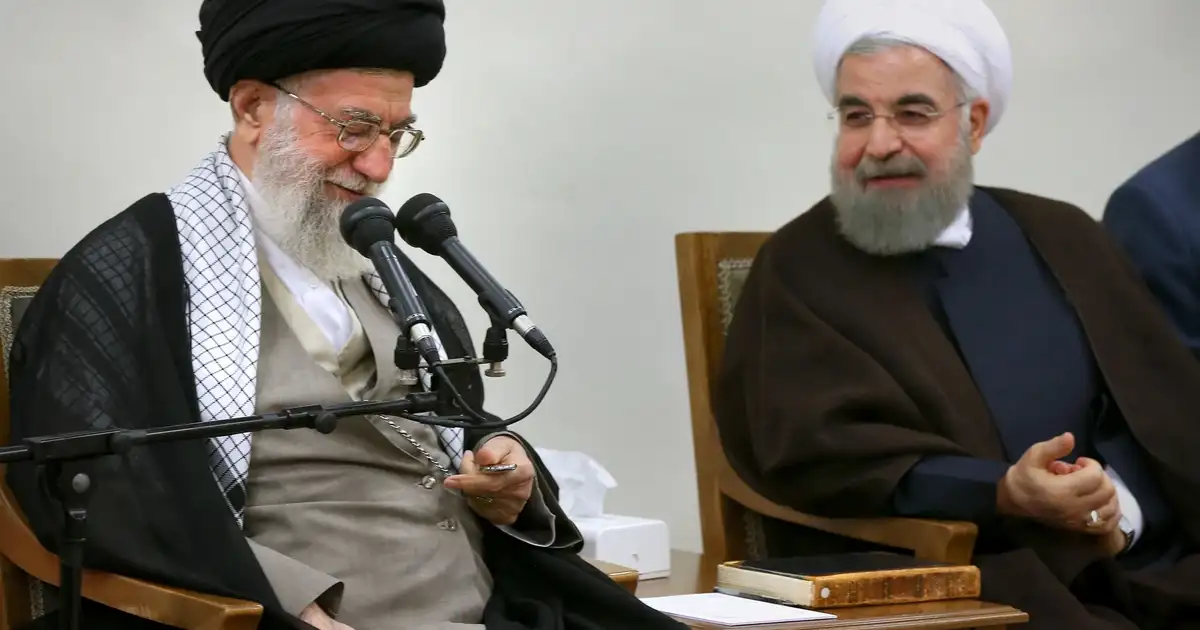
Photo: Wikimedia Commons (query: Ayatollah Ali Khamenei)
Source: Google News