

The Maverick vs. The Monolith
Dr. Petrova’s warning isn’t merely a geological forecast; it’s a seismic shockwave aimed directly at the scientific establishment. For generations, the unyielding mantra from institutions like the USGS has been unequivocal: long-term probabilities? Absolutely. (Think the 7% chance of an 8.0+ quake in California over the next 30 years.) But precise short-term prediction? A fool’s errand, they declare. This isn’t just scientific prudence; it’s a strategic defense, shielding them from the impossible burden of calling specific dates and times. Imagine the panic if wrong, the catastrophic blame if they miss a true disaster. It’s a comfortable, if limiting, position. Petrova’s undeniable success with the 2026 Colombia quake has shattered that comfortable narrative. She didn’t just predict *a* quake; she predicted *the* quake, with chilling accuracy. Now, she’s pointing her models squarely at California. Her proponents are no longer just making a scientific case; they’re issuing a moral challenge. To ignore her methodology now, after its proven, devastating efficacy, isn’t mere skepticism; it’s a dangerous, almost willful, negligence. They believe there’s an undeniable ethical imperative to warn the public, even if it means overturning decades of “scientific consensus.” Is the cost of being wrong greater than the cost of staying silent? The official agencies, meanwhile, find themselves in an unenviable bind, caught between a rock and a hard place. Endorsing Petrova would not only dismantle decades of their cautious messaging but also expose them to colossal liability if her prediction doesn’t materialize. Yet, dismissing her outright, after her proven track record, would brand them as obstinate fools should she be right again. So, they resort to the classic bureaucratic playbook: they reiterate existing preparedness guidelines, urge calm, and subtly reinforce their long-held, conservative stance on prediction. It’s an opportunity to ensure Californians dust off their earthquake kits, yes, but certainly not to fundamentally rethink the very foundations of seismology. It’s a defense of dogma, not a pursuit of truth.Beyond the Tremors: The Unthinkable Aftershocks
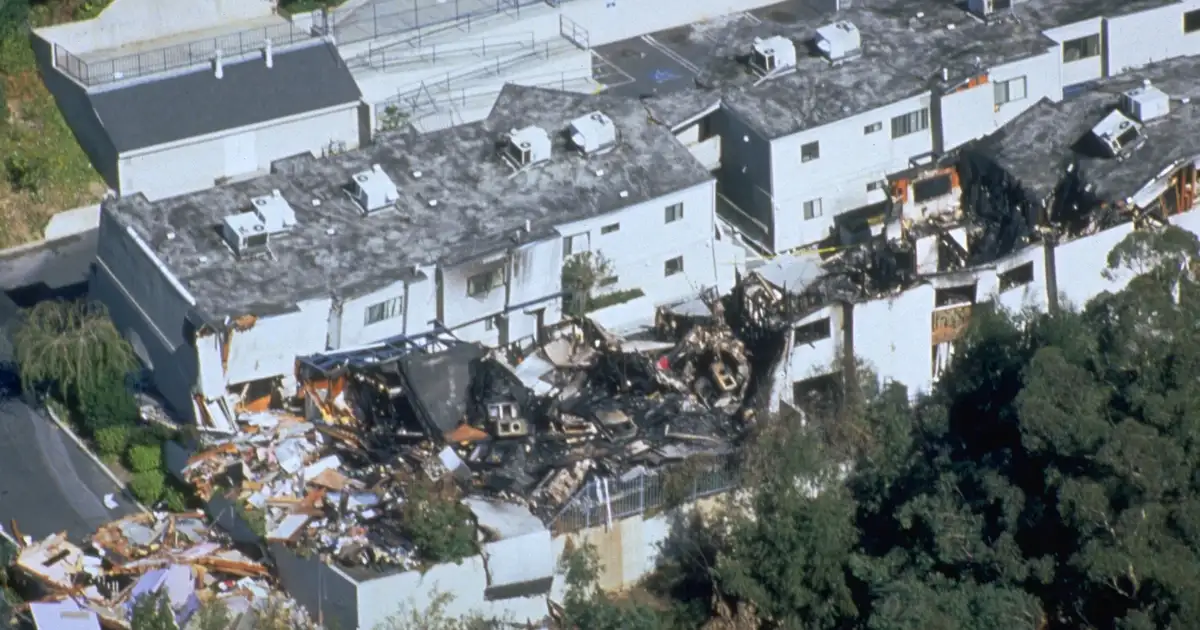
If Dr. Petrova’s dire prophecy comes to pass, the humanitarian cost will be nothing short of catastrophic. Public health officials are already grimly bracing for a nightmare scenario: mass casualties on an unimaginable scale, the complete collapse of critical healthcare infrastructure, and a tsunami of long-term psychological trauma. Picture this: hospitals overwhelmed, vital supply chains severed, millions displaced, and entire communities reduced to rubble. The immediate aftermath will be pure, unadulterated chaos. The lingering effects—the profound mental health crisis, the economic devastation, the monumental task of rebuilding—will not just be felt for years; they will define a generation. But what if she’s wrong? The scrutiny on Dr. Petrova will be merciless, a brutal dissection of her methods and her motives. Her reputation, painstakingly built on the bedrock of the Colombia success, could crumble into dust. Yet, even in that scenario, this high-stakes episode will have forced a critical discussion within the insular world of seismology. It will undeniably highlight the profound limitations of current models and underscore the urgent need for genuine breakthroughs in prediction. More importantly, it will expose the often paralyzing tension between bold academic innovation and entrenched institutional inertia. Can science truly advance if it’s too afraid to be wrong? The real, gnawing question isn’t simply whether the earthquake will hit, but what seismic shift will occur in the power dynamics of science itself if a maverick like Petrova delivers where the colossal establishment cannot. Will the USGS be compelled to integrate revolutionary models? Or will they, in a desperate act of self-preservation, double down on their traditional approach, dismissing Petrova as a mere fluke, even if she proves prescient twice? This isn’t just about data; it’s about ego, control, and the future direction of an entire scientific discipline.“The ethical imperative is to warn the public based on the best available science, even if it challenges established norms,” argue Dr. Elena Petrova’s impassioned proponents.This isn’t merely an academic debate; it’s a high-stakes chess match for scientific credibility, for the allocation of massive research funding, and for the very future direction of seismic research globally. Billions of dollars in disaster preparedness, urban planning, and insurance policies hinge on these probabilities and predictions. The stakes are far too immense, the potential consequences too dire, for polite disagreement or cautious equivocation. We are witnessing a battle for the soul of seismology. Let’s be brutally honest about what’s truly at play here. Dr. Petrova’s warning transcends mere disaster preparedness; it’s a calculated move to seize the scientific narrative. If she proves correct, she will have fundamentally reshaped the entire field of seismology, potentially redirecting massive research budgets and establishing herself as the preeminent voice. The USGS and CalOES are clinging to their cautious line not solely for public safety, but to protect their long-established authority and avoid the profound institutional upheaval. This upheaval would come from admitting a lone, maverick scientist beat their entire collective apparatus. This isn’t just science anymore; it’s a raw, visceral battle for intellectual and financial dominance, with millions of lives hanging precariously in the balance. In this seismic power struggle, the public, tragically, risks becoming mere collateral.
Photo: Airman Enso Valle
Source: Google News