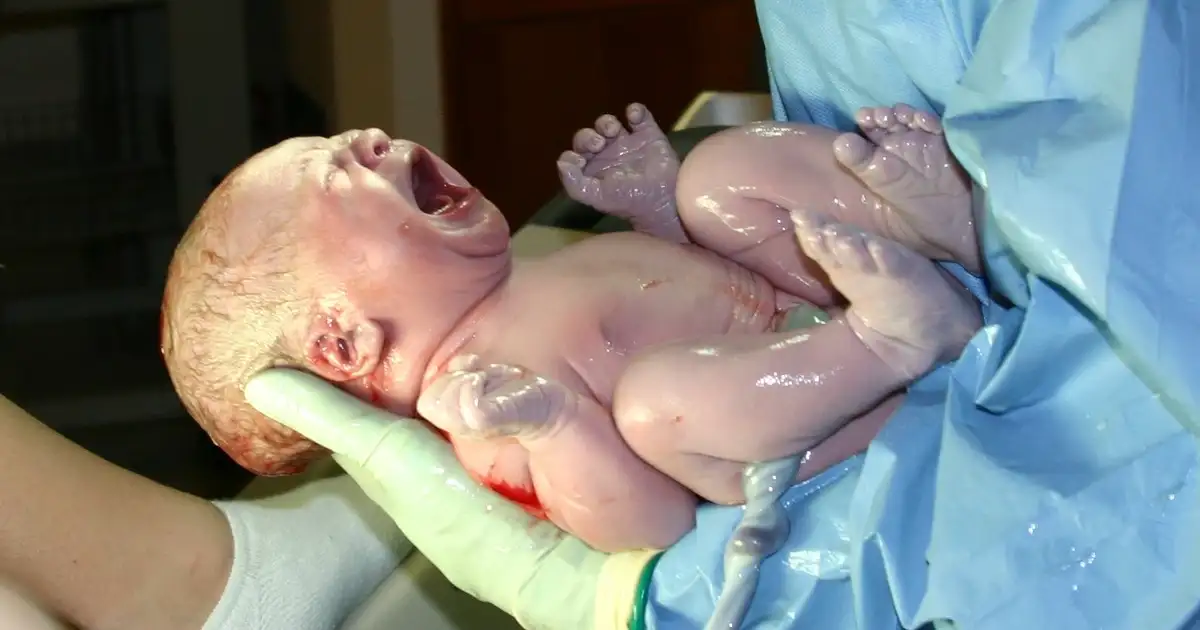

The horror is stark and undeniable: prosecutors allege that a one-day-old baby was killed by its own parents within the sterile confines of a hospital maternity room. This isn’t just a crime; it’s a profound betrayal of the very sanctuary meant for new life, shaking our fundamental assumptions about safety and care.
This shocking claim, though details are still emerging, paints a picture of unimaginable tragedy. A newborn, barely a day into existence, allegedly met a tragic end at the hands of those who should have been its fiercest protectors.
That such an event could unfold inside a hospital – a place universally synonymous with safety and meticulous care for the most vulnerable among us – forces us to confront uncomfortable truths.
A Sacred Space Betrayed
Hospitals, particularly their maternity wards, are designed to be havens. They are places brimming with hope, the promise of new beginnings, and the vigilant oversight of medical professionals.
The very notion that an unspeakable act like this could occur there doesn’t just shatter public trust. It rips a gaping hole in the fabric of what we expect from our healthcare institutions. We rely on these facilities to protect patients, especially infants, who are utterly dependent on others for their survival.
The gravity of this alleged crime cannot be overstated. It demands our full attention and a critical examination of the safety nets we often take for granted.
This incident forces us to ask: what does it mean when the walls meant to protect become the backdrop for such an unthinkable act? It challenges our collective faith in systems designed to safeguard life and compels us to look beyond the immediate shock to the deeper systemic vulnerabilities it exposes.
The Overlooked Crisis of Parental Mental Health
While the legal process will meticulously determine guilt and accountability, a crucial, deeper conversation must begin now. This tragedy, if substantiated, screams about a profound and often overlooked crisis in parental mental health.
We are quick to celebrate the unadulterated joy of childbirth, yet for many new parents, the reality is far more complex, fraught with immense emotional and psychological challenges.
Postpartum depression and, more severely, postpartum psychosis are not rare conditions. They are clinical realities that can transform the miracle of birth into a waking nightmare for those afflicted. These conditions can severely impair judgment, distort perception, and tragically, sever the vital connection to reality. As a society, and within our healthcare system, we must do far more to proactively identify and compassionately support at-risk parents. Ignoring these realities is not an option; the stakes are simply too high.
We need robust, universal screening protocols that extend beyond physical health. These must thoroughly assess mental well-being for all new parents. Support systems should not end with a stack of discharge papers; they must extend into comprehensive follow-up care for both new mothers and fathers.
This isn’t merely a personal struggle; it is a critical public health imperative. It demands resources, destigmatization, and systemic commitment. How many more tragedies will it take before we truly prioritize the mental health of new families?
Hospital Security and Oversight: Are Our Babies Safe?
The question echoes with chilling insistence: How could this happen inside a hospital? This query haunts anyone who hears this news.
Maternity wards are typically bastions of strict security, replete with protocols designed to prevent external threats like abduction. But what about the threats that emerge from within?
What checks and balances are truly in place to protect infants from their own parents within the confines of a hospital room? This incident demands an immediate, unflinching look at current hospital protocols. It calls for an urgent re-evaluation of patient monitoring, staff training, and the very assumptions we make about parental care.
Are nurses adequately staffed to observe every patient, every hour, especially during vulnerable overnight shifts? Do they receive sufficient training to spot the subtle, often masked, signs of severe distress or psychosis in new parents? Are there enough mental health professionals readily available on call to intervene?
These are not trivial concerns; they are fundamental matters of life and death for our most vulnerable patients. The assumption that parents will always protect their child, while generally true, is a dangerous one to rely on exclusively when building safety systems. We must construct safeguards that account for even the worst possibilities, particularly when the stakes are so incredibly high.
The Unseen Burden on Healthcare Workers
Beyond the immediate victims, this tragedy casts a long, dark shadow over the dedicated healthcare workers who staff these wards. Nurses, doctors, and support staff pour their lives, their hearts, and their expertise into caring for others.
An event of this magnitude leaves an indelible scar, a profound psychological burden that can be difficult to process.
These professionals are on the front lines, witnessing both the purest joy and the deepest sorrow imaginable. We have a responsibility to ensure they have the comprehensive resources and emotional support necessary to cope with such traumatic experiences. Their vigilance is often our first and most crucial line of defense in protecting patients. Their emotional well-being is not just a matter of compassion; it is directly linked to their ability to provide the meticulous care that every newborn and parent deserves.
What Happens Next? A Call for Accountability
Prosecutors are making a severe accusation, and the legal battle ahead will unfold with the solemn aim of seeking justice for the infant.
But beyond the courtroom, there must be a broader, systemic accountability that addresses the root causes and systemic failures this incident exposes.
We need transparent, thorough investigations into hospital procedures, security protocols, and mental health screening practices. We need a national conversation – not just whispers – about comprehensive mental health support for new parents, extending far beyond the delivery room.
This cannot be dismissed as an isolated, inexplicable incident. The public deserves not just answers, but tangible actions that ensure such a profound failure never happens again.
The death of a one-day-old baby in a hospital room is more than a horrifying wake-up call. It is an urgent demand for a safer, more compassionate public health safety net for our most innocent and vulnerable citizens.
Photo: Phil Nijhuis
Source: Google News