
President Donald Trump has thrown a political Molotov cocktail into the heart of his own coalition. His recent, incendiary remarks, presuming to define the very essence of “true American Christians,” have not merely offended; they have ignited a furious backlash from Mormons nationwide. This isn’t just a theological squabble; it is a profound and potentially fatal political miscalculation for a president who desperately needs every vote within his grasp.
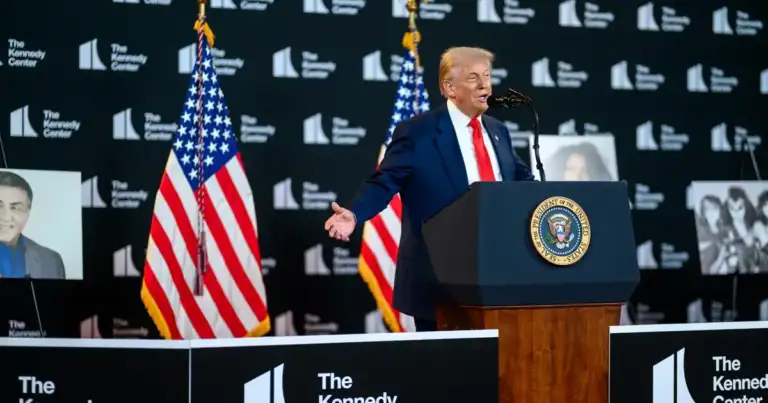
The controversy erupted with chilling predictability after President Trump’s speech in Des Moines, Iowa, on June 5, 2026. Before a cheering crowd, he meticulously outlined specific tenets he declared foundational to “true American Christian” identity.

While he artfully avoided naming the Church of Jesus Christ of Latter-day Saints (LDS), his exclusionary definition left no doubt: it unequivocally carved them out. For millions, this was not just an oversight; it was a deliberate, calculated snub.
Mormon leaders, academics, and ordinary members swiftly retaliated, their anger and dismay palpable. The LDS Church itself, known for its measured diplomacy, issued a carefully worded but undeniably firm statement on June 7, 2026.
It affirmed its members’ Christian faith with an understated power that spoke volumes, a direct counterpoint to Trump’s implicit dismissal. This isn’t merely a fleeting spat; it’s a conflict rooted in deep historical wounds, poised to unleash serious political consequences.
The Des Moines Blunder: A Strategic Own Goal?
President Trump’s Iowa rally was designed to galvanize his evangelical base, a critical segment of his support. He spoke of “strong, God-fearing American Christians” who “believe in the Bible” and “will stand up for traditional values.”
His core supporters, particularly evangelicals, roared their approval for this narrow, exclusive definition. It was a play to the gallery, a reaffirmation of loyalty that, in the moment, felt like a victory.
Yet, the message resonated far beyond that base, sending a chilling signal to millions of Latter-day Saints: their faith was being delegitimized, their identity as Christians erased. This move, whether intentional or carelessly executed, plays directly into centuries-old prejudices and persecutions against Mormons, questioning their very place in the American religious landscape. It’s a dangerous game, invoking historical specters that most thought had long been laid to rest.
To define Christianity so narrowly as to exclude the millions of Latter-day Saints who worship Jesus Christ and strive to follow His teachings is not only inaccurate but deeply disrespectful. Our faith is centered on Christ, and our contributions to this nation are undeniable – often in the very conservative values Trump claims to champion.
Dr. Christensen’s words cut deep, echoing the widespread outrage and sense of betrayal within the LDS community. This isn’t merely an academic theological debate; it’s a bare-knuckle fight for political recognition, for who gets a legitimate seat at the American public table. It forces Latter-day Saints to confront whether their long-standing alliance with the Republican Party truly values their faith, or merely tolerates it until a more politically convenient definition of “Christian” arises.
Mormon Loyalty: A Cracking Foundation?
The most pressing question now for the Trump campaign is stark: will this calculated insult finally fracture the loyalty of a voting bloc he can ill afford to lose? Latter-day Saints have, for generations, been a bedrock of the Republican Party, their conservative social values aligning seamlessly with the GOP platform. But their loyalty, while deep, is not unconditional, and it has been tested repeatedly by Trump’s often volatile rhetoric.
Even before this latest gaffe, Reuters polls from past elections revealed a growing unease among Mormons regarding Trump. Younger, more moderate, and even some traditionally conservative Latter-day Saints have openly expressed discomfort with his temperament and policies.
This latest, direct assault on their religious identity could be the final straw. It risks pushing them decisively into the arms of an opposition that, while ideologically different, at least offers respect. Even a modest shift in this demographic could prove catastrophic in key battleground states.
Consider the electoral map: states like Utah, where over 60% of the population identifies as LDS, represent a historical Republican stronghold. Yet, even there, Trump’s support has been softer than previous GOP candidates.
More critically, Arizona and Nevada, both pivotal swing states, boast significant and politically active Mormon communities. Trump clinched Arizona by a razor-thin margin in 2020.
Alienating this reliably conservative, highly organized voting bloc now isn’t merely a gamble; it’s an act of political self-sabotage. The electoral math simply doesn’t allow for such casual dismissals.
The LDS Church reports a global membership exceeding 17 million, with approximately 6.8 million residing in the United States. Their collective voice is not just powerful; it is disciplined and mobilized.
When their faith, their very identity, feels under attack, they do not merely “react” – they organize, they communicate, and they vote. This is a demographic that understands the power of collective action, a lesson learned through generations of fighting for their place in America.
The Steep Cost of Defining Faith
President Trump’s strategy, transparently designed to further energize his evangelical base, simultaneously risks alienating another historically conservative, deeply religious group. This isn’t merely about optics or hurt feelings; it’s a brutal equation of raw political power and voter turnout. In a tight election, trading a loyal, active voting bloc for a slightly more fervent but already committed segment of his base is a zero-sum game with potentially devastating consequences.
The LDS Church spokesperson issued a statement that, while carefully neutral in tone, was unequivocally firm in
Source: Google News