
President Donald Trump just dropped a bombshell, promising “total victory” over Iran within the next two weeks. This isn’t just talk; it’s a stark declaration in the middle of an active war, and it demands scrutiny.
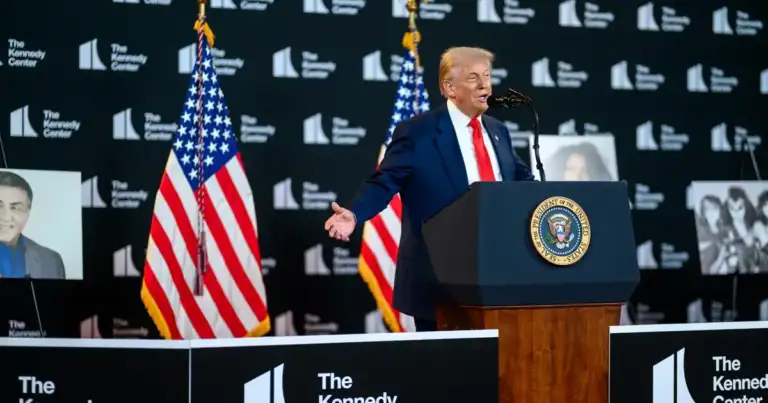
On June 8, 2026, President Trump made this bold claim. He spoke with absolute confidence during a public appearance. His statement signals a major shift in the ongoing conflict with Iran.

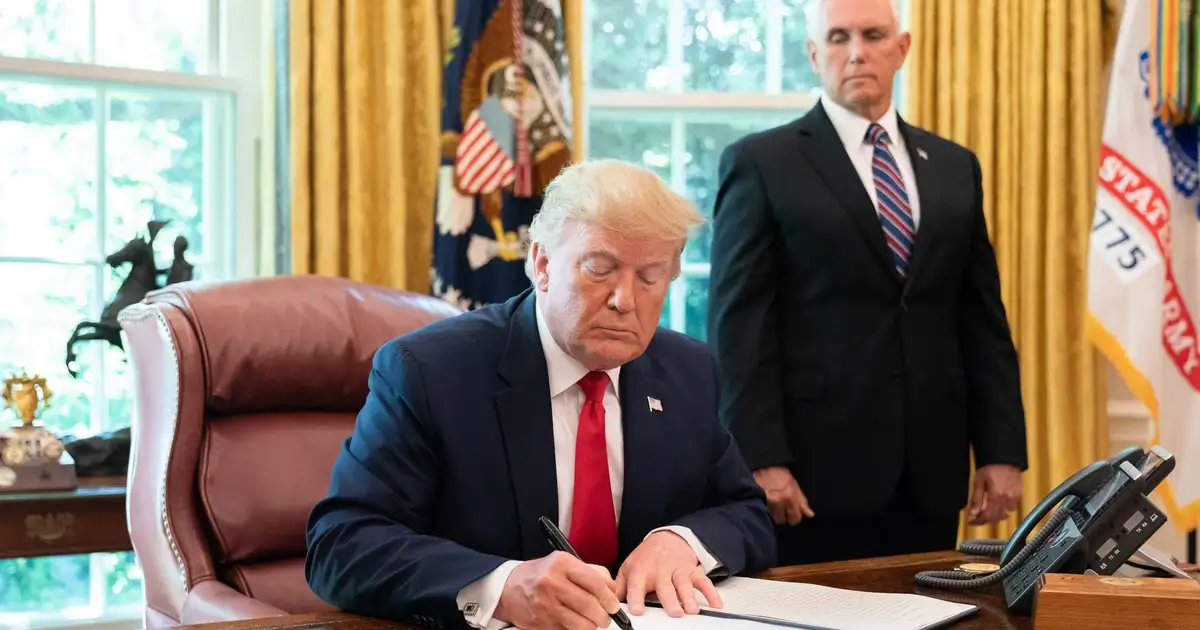
This declaration follows new, aggressive U.S. sanctions. These sanctions target key Iranian financial and military entities. They are a direct blow to Tehran’s economic lifelines.
“We will declare total victory over Iran in the next two weeks.”
This is what President Trump told the public.
The United States and Israel launched military strikes against Iran on February 28, 2026. This is not some distant skirmish.
It is a current, active military conflict. The Strait of Hormuz remains a dangerous flashpoint.
What Does “Total Victory” Really Mean?
Politicians love to talk about “victory.” The term often means very different things to different people. For the everyday American, it usually means the fighting stops. It means our troops come home.
But what does President Trump’s “total victory” over Iran look like? Does it mean complete military surrender? Does it mean a collapsed Iranian regime? Or is it merely a cessation of specific Iranian activities?
History is littered with declarations of “victory” that proved premature. President George W. Bush declared “Mission Accomplished” in Iraq. The war continued for years after that. Voters remember these moments.
The current conflict is complex. It involves economic warfare through sanctions. It involves military strikes. It involves regional proxy battles. A simple “victory” declaration often hides deeper, unresolved issues.
True victory, in the eyes of many, means lasting peace. It means stability. It means no more American lives or dollars wasted abroad. The public wants a clear end game, not just a soundbite.
The Price Tag of a Two-Week Victory
President Trump’s promise comes with a massive, unspoken price tag. New sanctions are always sold as a bloodless weapon. They target Iran’s financial systems. They aim to cripple its military funding.
But sanctions are never truly bloodless. They hurt the Iranian people directly. They destabilize entire regions. They force everyday citizens to pay for their government’s actions. This is the brutal reality.
Who profits from this economic warfare? Defense contractors see increased demand. Financial institutions involved in enforcement rake in fees. This isn’t some conspiracy theory; it’s how the system works.
The American taxpayer also pays. We pay for increased military readiness. We pay for intelligence gathering. We pay for the diplomatic fallout. Every “strategic action” has a real financial cost.
The cost of war, even an economic one, is staggering. Billions of dollars are diverted from domestic needs. Roads crumble, schools struggle, and healthcare remains out of reach for many. This is the trade-off.
We need to ask who benefits from these prolonged conflicts. We need to ask who truly bears the burden. It’s almost never the politicians making the declarations. It’s always the working families.
Escalation or Endgame?
A declaration of “total victory” in two weeks is incredibly ambitious. It begs the question: is this a genuine endgame strategy? Or is it a calculated escalation designed to force Iran’s hand?
The ongoing US-Iran conflict is a powder keg. Any misstep could ignite a wider regional war. President Trump’s bold statement could be a gamble. It could be an attempt to pressure Tehran into concessions.
Iran’s leadership is not known for backing down easily. They have their own domestic pressures. They have their own regional allies. A declaration of victory might only harden their resolve.
What are the possible responses from Iran? Increased proxy attacks? Cyber warfare? A direct challenge to the Strait of Hormuz? Each option carries enormous risks for U.S. interests and personnel.
The world is watching this high-stakes game. Allies like Israel are deeply invested. Adversaries like Russia and China are observing closely. Every move has global repercussions.
True diplomacy requires nuance and patience. Declarations of imminent victory often leave little room for either. They can box in all parties. They can make de-escalation far harder.
The Reality Behind the Rhetoric
President Trump’s promise of “total victory” over Iran in two weeks is a bold claim. It’s the kind of statement that electrifies a base. It’s the kind of statement that demands immediate attention.
But the reality of international conflict is rarely so simple. Wars don’t end on a politician’s timetable. They end when all parties agree to terms, or when one side is truly broken.
The new sanctions will undoubtedly squeeze Iran. They will cause pain. But will they deliver “total victory” in just 14 days? That remains a massive question mark.
The American people deserve clear answers. They deserve to know the real strategy. They deserve to know the true cost. They deserve to know what “victory” actually means for their lives.
Anything less is just political theater. And the stakes are far too high for that.
Source: Google News